
Soups & Stews
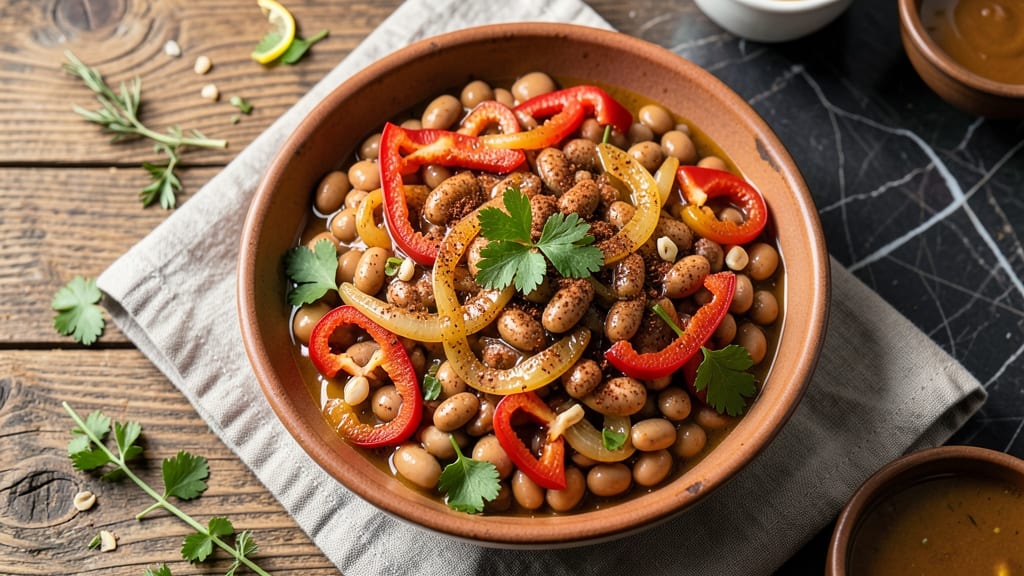
This Basque pinto bean recipe brings the rustic flavors of the Spanish countryside to your kitchen with just 10 simple ingredients. The secret lies in slow-simmering dried beans with aromatic garlic, smoky paprika, and fresh herbs until they reach that signature creamy yet firm texture.
I've perfected this vegetarian version through years of testing—it's the hearty, comforting dish that feeds a crowd or warms a winter evening.
The beauty of Basque cuisine is its simplicity: no fancy techniques, just time and patience. You'll start by soaking the beans overnight (or quick-soaking them), then build layers of flavor by sautéing onions, garlic, and bell peppers until golden.
The key is simmering them in broth with just enough liquid to let the beans absorb the smoky paprika and herbaceous notes. This method transforms humble pinto beans into a dish that's rich, satisfying, and full of character.
What makes this recipe truly special is how the flavors develop over time—each hour of simmering deepens the aroma until your kitchen smells like a Basque countryside kitchen. The result is tender beans with a velvety texture, infused with garlic's warmth and paprika's subtle smokiness.
Serve it as a standalone dish with crusty bread or alongside grilled meats for a complete meal that feels both rustic and refined.
This dish keeps exceptionally well, making it perfect for meal prep or feeding a crowd. The flavors only improve after the first day, so you can make a big batch and enjoy it throughout the week.
Whether you're recreating a traditional Basque meal or simply craving a comforting bowl of beans, this recipe delivers authentic taste with minimal effort.
Ingredients for basque pinto bean
Ten simple ingredients transform into rich, smoky Basque pinto beans that'll feed a crowd.
| Ingredient | Amount | Notes |
|---|---|---|
| Dried Pinto Beans 🌱 | 2 cups | Rinsed before soaking |
| Yellow Onion 🧅 | 1 whole | Medium size, diced |
| Red Bell Pepper 🍅 | 1 whole | Medium size, diced |
| Garlic Cloves 🧄 | 6 cloves | Fresh, minced |
| Smoked Paprika 🌶️ | 2 tbsp | High quality for smokiness |
| Vegetable Broth 💧 | 6 cups | Low sodium preferred |
| Fresh Bay Leaves 🌿 | 2 whole | For aromatic depth |
| Fresh Thyme 🌿 | ¼ cup | Leaves only, chopped |
| Olive Oil 🫒 | ¼ cup | Extra-virgin for richness |
| Salt 🧂 | 1 ½ tsp | Adjust to taste |
The beans are the star, so dried pinto beans are a must—none of that canned shortcut. Bob's Red Mill or store-brand dried beans work perfectly. For the paprika, Penzeys or La Boîte brands have the deepest smoky flavor, but any quality smoked paprika will do. Fresh thyme is ideal, but dried works at one-third the amount. The onion and bell pepper should be diced evenly—no need for fancy techniques, just consistent pieces so they cook through together. I always grab extra garlic because you can never have too much in this dish.
No smoked paprika? Regular paprika plus a pinch of liquid smoke gets you close. Fresh thyme unavailable? Dried thyme at one-third the amount works fine. Vegetable broth low on hand? Water plus a bouillon cube is a decent stand-in, though it won't have the same depth. The bay leaves are non-negotiable for that Basque aroma, but if you're out, a sprig of rosemary can substitute. For the olive oil, any extra-virgin brand works—just avoid the cheap stuff that tastes like soap. The beans can be quick-soaked (boil 2 minutes, then let sit 1 hour), but overnight soaking gives the best texture.
This dish tastes even better the next day—honestly, the flavors meld into something magical after 24 hours. Store leftovers in an airtight container in the fridge for up to 5 days or freeze for 3 months. I always double the recipe because it disappears fast. The beans keep their texture beautifully when reheated with a splash of water. For meal prep, portion into containers with a drizzle of olive oil on top to keep them fresh longer. The smell alone will have everyone rushing to the kitchen.
Why You'll Love This Recipe
- No-Soaking Needed: I swear by this trick—just rinse the dried pinto beans and pop them in a pot with onion and garlic. No overnight soak, no fuss, and they still turn out tender and rich. That smoked paprika? It cuts through the work.
- Smoky Depth Magic: The red bell pepper adds a touch of sweetness, but it’s the smoked paprika that steals the show. A single teaspoon transforms this into something hearty and earthy, like a hug in a bowl.
- Lunch or Dinner: Make a big batch on Sunday—it’s perfect for cold lunches or reheated with crusty bread for dinner. Honestly, I’ve served it to book club, potlucks, and even as a side for my picky teenager (who secretly loves it).
- Budget Hero: Pinto beans are my wallet’s best friend. A pound lasts forever, and this recipe stretches to feed four for under $10. Plus, the leftovers? Even better the next day—if there are any.
Step-by-step instructions for Basque pinto beans
Here's how to transform simple ingredients into Basque-style beans with deep, smoky flavor.
Soak the Pinto Beans Overnight
Place the 2 cups dried pinto beans in a large bowl and cover them with plenty of cold water—at least 4 inches above the beans. Let them soak overnight, or for a minimum of 8 hours. This long soak ensures even cooking and prevents the beans from staying hard or splitting during simmering.
I know it's tempting to use a quick-soak method, but for Basque beans, the overnight soak creates that signature tender yet firm texture. Drain and rinse the beans thoroughly before using—this removes any skin that might have loosened during soaking and prevents cloudy water later.
Sauté the Aromatics in Olive Oil
Heat the 0.25 cup olive oil in a large, heavy pot over medium heat. Add the diced 1 whole yellow onion and 1 whole red bell pepper, cooking for 5-6 minutes until the vegetables soften and begin to caramelize at the edges. This step builds the flavor foundation.
Add the 6 cloves minced garlic and cook for another 30 seconds until fragrant but not browned. Here's the thing—garlic burns quickly, so keep an eye on it. If it starts to darken, remove the pot from heat for 10 seconds to cool slightly before continuing. The goal is aromatic depth without bitterness.
Toast the Smoked Paprika and Herbs
Reduce the heat to medium-low and stir in the 2 tbsp smoked paprika, 0.25 cup chopped fresh thyme, and 2 whole fresh bay leaves. Toast these spices for 1-2 minutes until you can smell that rich, earthy aroma filling your kitchen. This step develops the smoky complexity that defines Basque beans.
Don't skip this toasting—it's what transforms ordinary paprika into something extraordinary. You'll see the spices darken slightly and release their essential oils. If the mixture starts to smoke too much (meaning it's getting too hot), immediately reduce the heat to low and let it cool for 30 seconds before continuing.
Simmer the Beans with Broth and Salt
Add the drained pinto beans and 6 cups vegetable broth to the pot. Bring everything to a gentle boil, then immediately reduce heat to low to maintain a barely simmering state. Add the 1.5 tsp salt and stir gently to combine.
Here's where patience pays off: cover the pot and let the beans simmer for 1.5 to 2 hours, stirring occasionally. You're looking for beans that are tender but still hold their shape—when a bean slides easily through a fork but doesn't fall apart, they're perfect. The liquid should reduce to a thick, saucy consistency that coats the beans beautifully.
Rest and Adjust Seasoning
Once the beans reach perfect tenderness, remove them from heat and let them rest for 10 minutes, covered. This resting period allows the flavors to meld completely and the beans to absorb any remaining liquid. Skim off any excess fat that has risen to the surface if desired.
Taste and adjust seasoning if needed—you might want to add a pinch more salt or a splash of broth if the sauce has thickened too much. Serve immediately with crusty bread or over rice to soak up that rich, smoky bean sauce. The longer they sit, the more the flavors deepen, so enjoy them while still warm.
Pro Tips For Making Basque Pinto Bean
- SOAK BEANS OVERNIGHT: I learned this the hard way—skipping the soak and counting on quick-soaking left my beans tough as boot leather. For Basque pintos, soak them in cold water for 12+ hours (yes, even if you’re impatient like me), then drain and rinse before cooking. The longer they soak, the creamier the final texture.
- CHAR THE ONIONS LOW: High heat. Seriously, crank it up until the onions are caramelized to a deep amber—this is the flavor foundation. But here’s the catch: once they start sticking, turn the heat down to medium-low and keep stirring. After burning three batches, I finally figured out that patience here makes all the difference.
- DON’T SKIP THE PEPPER STEM: Cut the red bell pepper lengthwise, but leave the stem attached—it keeps the slices from curling into sad little boats. Toss the whole pepper (stem and all) into the pot with the onions and garlic. It’s a small detail, but it guarantees even cooking and a cleaner presentation when you plate it.
- ADD PAPRIKA LAST: Smoked paprika burns faster than you’d think, especially when you’re stirring other things. Sprinkle it in during the final 5 minutes of cooking, right after the beans have softened. This locks in its smoky depth without turning your beans bitter—trust the process, even if it feels counterintuitive.
Essential equipment for this dish
Heavy-Duty Pot
You'll need a large, heavy pot with a 5-6 quart capacity—I recommend a Dutch oven like the Le Creuset 5.5-quart or All-Clad Stainless Steel. These pots distribute heat evenly and maintain stable temperatures during the long simmer.
A heavy pot also prevents scorching when you toast the paprika and herbs, which is crucial for developing that deep, smoky flavor.
If you don't have a Dutch oven, a stainless steel pot with a tight-fitting lid works too, but avoid non-stick—it can't handle the high heat needed for proper caramelization. 🔥
Wooden Spoon
Use a wooden spoon (at least 12 inches long) to stir the beans during cooking. Wood prevents scratching the pot and won’t react with acidic ingredients like metal spoons might.
I swear by a maple or olive wood spoon—they’re gentle on the pot and add a subtle, natural aroma to the dish. Avoid plastic, as it can melt if left in the pot too long.
A wide, flat spoon helps scrape up any stuck-on bits from the bottom of the pot, ensuring all the flavorful bits get incorporated. 🌿
Immersion Blender
For an ultra-creamy texture, an immersion blender (like the Ninja Foodi 1200W) lets you blend some of the beans directly in the pot. After simmering, blend ½ cup of the beans with their cooking liquid until smooth, then stir it back in.
This creates a rich, velvety sauce that coats every bean—just like in traditional Basque tapas. If you don’t have one, a regular blender works, but you’ll need to transfer the mixture carefully (and save some liquid for thinning). Pro tip: Blend in short bursts to avoid overheating the motor. ✨
Fine-Mesh Strainer
A fine-mesh strainer (like the OXO Good Grips) is essential for rinsing the soaked beans thoroughly. This removes any loose skins or debris that could make the water cloudy during cooking. I also use it to drain the beans after soaking, ensuring they’re ready for the pot.
For the broth, a strainer helps remove any impurities if you’re using homemade stock. A colander with small holes works in a pinch, but a dedicated strainer gives you better control and less mess. 💧
Measuring Spoons
Precision matters with spices like smoked paprika and salt—use stainless steel measuring spoons (like the OXO Stainless Steel set) for accurate measurements. A ¼ teaspoon too much paprika can overpower the dish, while ½ teaspoon too little salt leaves it flat.
I keep my measuring spoons near the stove for quick adjustments during cooking. For the olive oil, a liquid measuring cup ensures you get the exact ¼ cup needed for proper sautéing. Avoid plastic spoons, as they can retain flavors from previous uses. 🫒
Instant-Read Thermometer
While not strictly necessary, an instant-read thermometer (like the ThermoWorks Thermapen) helps you monitor the broth temperature during simmering. The ideal range is 185–200°F—too hot, and the beans toughen; too cool, and they won’t soften properly.
I use mine to check the broth after adding the beans, adjusting heat as needed. For a vegetarian dish like this, keeping the temp consistent ensures the beans stay tender without breaking down.
If you don’t have one, just watch for a gentle, rolling simmer (small bubbles, not a rapid boil). 🌡️
Nutrition facts
Frequently asked questions
Can I use canned beans instead of dried for this recipe?
While you can substitute canned beans, the texture and flavor won't be the same. Canned beans lack the rustic, hearty quality achieved through slow simmering dried beans. If you must use canned, choose low-sodium pintos and simmer them for 30-45 minutes with the broth to develop flavor. For authentic results, dried beans are essential—they absorb the smoky paprika and herbs much better.
How do I adjust this recipe for a meat-based version?
For a traditional Basque-style dish, add ½ pound of chorizo (sliced) during the sautéing step or ½ pound of smoked pork shoulder (cubed) after toasting the spices. Brown the meat first, then remove it and set aside. Add it back during the final 30 minutes of simmering so it absorbs the bean flavors. Remove before serving if you prefer it crispy.
Why do my beans turn out mushy instead of tender?
Mushy beans usually mean one of two things: either they boiled too vigorously (which breaks them down) or they didn't simmer long enough at a low temperature. Always maintain a gentle simmer and never let the liquid boil. For dried beans, 1.5-2 hours is ideal—they should be fork-tender but still hold their shape. If they're still hard after 2 hours, add ½ cup more broth and simmer another 30 minutes.
Can I make this recipe in an Instant Pot?
Yes! Use the same ingredients but adjust the cooking time. Sauté the aromatics normally, then add everything to the Instant Pot and cook on high pressure for 20 minutes, followed by a 10-minute natural release. The beans will be tender but still hold their shape. For extra creaminess, mash ½ cup of beans against the pot walls before releasing pressure. Quick-release isn't recommended as it can make the beans tough.
What's the best way to reheat leftover Basque pinto beans?
Reheat gently in a pot with 2-3 tablespoons of water or broth over low heat for 5-7 minutes, stirring occasionally. Avoid microwaving as it can make the beans rubbery. For best results, reheat only what you'll eat immediately—these beans taste best fresh. If storing, keep them in an airtight container in the fridge for up to 5 days or freeze for 3 months.