
Sauces & Condiments
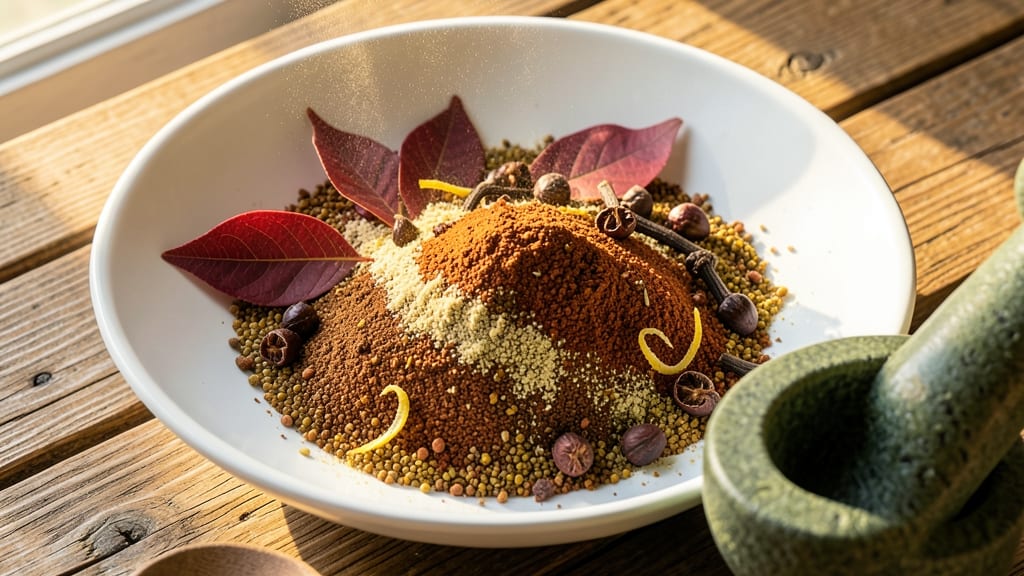
This Badia Pinto Bean Seasoning Recipe transforms ordinary beans into restaurant-quality dishes with just a sprinkle. The blend of earthy cumin, smoky paprika, and aromatic bay leaves captures the soul of traditional Badia cooking, while modern touches like coriander and cloves add depth.
Perfect for beans, rice, or even roasted vegetables, this dry mix eliminates guesswork and delivers consistent flavor every time.
The secret lies in balancing traditional spices with precise measurements—no liquid ingredients, just pure, shelf-stable flavor. A single tablespoon of this blend infuses dishes with warmth and complexity, making it ideal for batch cooking or quick weeknight meals.
Unlike store-bought seasonings, this mix uses whole spices for richer, more authentic results.
What sets this seasoning apart is its versatility—use it to elevate canned or dried beans, transform rice bowls, or even season roasted meats. The blend stays fresh for months in an airtight container, ready to transform simple ingredients into something extraordinary.
No more bland beans or flat flavors—just bold, earthy taste with minimal effort.
Whether you're cooking for a crowd or meal prepping for the week, this seasoning mix is a game-changer. Store it in your pantry for instant flavor, and watch your dishes come alive with every sprinkle. Here’s how to make it—simple, foolproof, and packed with tradition.
Ingredients for badia pinto bean seasoning
Nine spices blend into a shelf-stable seasoning that transforms simple beans into restaurant-quality dishes.
| Ingredient | Amount | Notes |
|---|---|---|
| Ground Cumin 🌿 | 2 tbsp | Toasted for deeper flavor |
| Smoked Paprika 🌶️ | 1 ½ tbsp | High-quality smoked variety |
| Ground Coriander 🌿 | 1 ½ tbsp | Freshly ground preferred |
| Bay Leaves 🌿 | 1 tbsp | Dried, finely ground |
| Ground Cloves 🌿 | ½ tbsp | Whole cloves ground fresh |
| Garlic Powder 🧄 | 1 tbsp | Not garlic salt |
| Onion Powder 🧅 | 1 tbsp | Freshly ground preferred |
| Black Peppercorns 🌶️ | ½ tbsp | Freshly ground for best flavor |
| Cayenne Pepper 🔥 | ½ tsp | Adjust for heat preference |
| Sea Salt 🧂 | 1 ½ tsp | Fine grain preferred |
The foundation of this blend lies in high-quality, whole spices—look for toasted cumin and smoked paprika from brands like Penzeys or McCormick Gourmet Collection for authentic depth. Bay leaves should be dried and finely ground to avoid bitterness; store-bought ground bay leaf often contains stems. Whole cloves ground fresh provide richer flavor than pre-ground. For the best results, purchase spices from bulk bins at specialty stores like Whole Foods or Trader Joe's, where they retain freshness longer. Garlic and onion powders should be labeled 'freshly ground' for optimal flavor.
No smoked paprika? Sweet paprika plus a pinch of liquid smoke works in a pinch, though the flavor won't be identical. Substitute coriander with equal parts caraway seeds for a different but complementary earthiness. Cayenne can be omitted entirely if heat is undesired, or replaced with red pepper flakes at half the amount. Black peppercorns must be freshly ground—pre-ground loses potency quickly. Sea salt should be Diamond Crystal or Morton kosher salt for consistent measurements; table salt contains anti-caking agents that alter flavor. For a nutty depth, consider adding 1 tsp ground fennel seeds to the blend.
Store this seasoning in an airtight glass jar in a cool, dark pantry for up to 6 months—the spices will retain their aromatic oils longer than in plastic. Portion into smaller jars if you won’t use the full amount within 3 months to preserve freshness. Label with the date to track potency. The blend works best when toasted lightly in a dry pan for 30 seconds before use, intensifying its earthy notes. Freeze for up to 1 year if you won’t use it within 6 months, though flavor may mellow slightly over time.
Why You'll Love This Recipe
- Pantry-Friendly Magic: I swear by this blend because it lives in my spice rack, not my fridge. Just measure, mix, and store—no fresh herbs to wilt or garlic to burn. That smoked paprika alone? It turns bland beans into something that tastes like it simmered all day.
- Deep, Smoky Hug: The cloves and cumin give it this warm, almost cinnamon-like depth, while the smoked paprika adds a whisper of campfire. It’s the kind of flavor that makes you pause mid-bite—like discovering a secret ingredient you didn’t know you needed.
- Weeknight Workhorse: This isn’t just for beans. Toss it on rice, roast veggies, or even stir into scrambled eggs when I’m too tired to plan. Honestly, I’ve used it in everything from chili to mashed potatoes, and it never lets me down.
- Budget Boost: A little goes a long way—this blend costs pennies per serving and stretches across meals. Make a big batch, and suddenly you’ve got flavor for tacos, soups, and even grilled chicken without breaking the bank. My wallet thanks me every time.
Step-by-step instructions for Badia pinto bean seasoning
This earthy-smoky blend transforms simple beans into restaurant-quality dishes with minimal effort.
Prepare the Spice Base
Combine the 2 tablespoons ground cumin and 1.5 tablespoons smoked paprika in a medium bowl. Use a whisk or fork to break up any clumps in the smoked paprika—this ensures an even distribution of flavor throughout your seasoning. The cumin should be toasted for deeper, warmer notes, so if you're using pre-ground cumin, toast it lightly in a dry skillet for 30 seconds before measuring.
Next, add the 1.5 tablespoons ground coriander and 1 tablespoon finely ground bay leaves. The bay leaves should be finely ground to avoid any texture issues in your final blend. If you're using whole bay leaves, pulse them in a spice grinder until they resemble powder. This step is critical—the coriander adds a citrusy brightness that balances the earthiness of the cumin and paprika.
Incorporate Aromatic Powders and Heat
Add the 1 tablespoon garlic powder and 1 tablespoon onion powder to the bowl. These powders provide the foundational savory depth that makes this seasoning so versatile. Use freshly ground powders if possible—they release more aroma and flavor than pre-ground varieties. Give everything a thorough mix to ensure the garlic and onion powders are evenly distributed.
Now, add the 0.5 tablespoon ground cloves and 0.5 tablespoon freshly ground black peppercorns. The cloves contribute a subtle warmth and sweetness, while the black peppercorns add a sharp, piquant edge. Be careful not to overmix at this stage—just enough to combine the spices evenly. The cloves should be ground fresh for the best flavor, as pre-ground cloves can taste bitter.
Balance with Salt and Cayenne
Add the 1.5 teaspoons sea salt and 0.5 teaspoon cayenne pepper to the bowl. The sea salt should be fine-grained to dissolve smoothly into your dishes, while the cayenne pepper adds a controlled level of heat. If you prefer a milder blend, reduce the cayenne to 0.25 teaspoon or omit it entirely. Mix these ingredients gently to avoid creating dust from the cayenne.
At this point, your seasoning should have a rich, complex aroma—earthy from the cumin and coriander, smoky from the paprika, and a hint of warmth from the cloves and black pepper. Taste a small pinch to check the balance. If it tastes too bland, add a pinch more salt. If it's too sharp, a tiny bit more smoked paprika will mellow the edges.
Store for Maximum Freshness
Transfer the seasoning to an airtight container, such as a small jar or spice tin. Press it down gently to remove any air pockets, which can cause the spices to lose potency over time. Store the seasoning in a cool, dark place—like your pantry—for up to 3 months. If you notice the spices losing their aroma before then, refresh the blend by adding a pinch of smoked paprika or ground cumin to revive the flavor.
This seasoning works beautifully on pinto beans, but don’t limit it to just beans. Use it to elevate roasted vegetables, grilled meats, or even as a rub for tofu. The key to its versatility lies in the balance of earthy, smoky, and slightly sweet notes—each component plays a role in creating a flavor profile that’s both bold and harmonious.
Pro Tips For Making Badia Pinto Bean Seasoning
- Toast the Whole Spices First: If you’re using whole cloves or bay leaves, dry-toast them in a clean skillet for 30 seconds until fragrant—just until you smell that warm, earthy aroma. This step unlocks their flavor way better than just tossing them in ground form. (Yes, even if you’re tempted to skip it.)
- Use a Mortar and Pestle: Grinding your own spices for this seasoning makes a real difference. A quick pulse in a food processor works, but a mortar and pestle gives you finer, more aromatic control—especially for those cloves and coriander. If you’re lazy like me, at least toast the whole spices first before grinding.
- Balance the Smoky Heat: Smoked paprika is bold, so start with half the amount listed in the recipe. Taste as you go—you can always add more, but you can’t take it out. The goal is warmth, not a campfire in your mouth. (I learned this after serving a batch that tasted like a backyard BBQ.)
- Store It in an Airtight Jar: This seasoning loses its punch fast if exposed to air. Pack it tightly in a jar and keep it in a cool, dark spot—it’ll stay vibrant for months. If you’re making a big batch, divide it into smaller containers to avoid clumping. (Trust me, stale seasoning ruins everything.)
Best sauces and condiments for this recipe
Bean Transformations
This seasoning isn’t just for pinto beans—it works magic on black beans, kidney beans, or even lentils. For a Mexican-style bowl, simmer 1 cup dried pinto beans with 1 tbsp seasoning, 1 bay leaf, and 4 cups water for 1.5 hours.
The blend’s smoky depth complements the natural sweetness of beans perfectly. 🌶️
For vegetarian chili, cook 2 cups beans with 1 tbsp seasoning, 1 diced onion, and 1 diced bell pepper until tender. The cumin and coriander add a warm, citrusy brightness that cuts through the richness of tomatoes.
I often add ½ cup diced tomatoes and 1 tsp cumin directly to the pot for extra depth.
Rice and Grains
Elevate white or brown rice by stirring 1 tsp seasoning into the cooking water for 1 cup dry rice. The earthy notes infuse the grains, making simple rice taste like a Moroccan tagine.
For coconut rice, mix 1 tsp seasoning with 1 cup coconut milk before adding to the rice—it’s a game-changer for flavor. 🍚
Try it on quinoa or farro too! Toss 1 tbsp seasoning with 2 cups cooked grains, 1 tbsp olive oil, and fresh herbs like cilantro. This works especially well for grain bowls with roasted veggies and avocado.
Meat and Veggie Rub
Use this blend as a dry rub for chicken thighs, pork chops, or tofu. Mix 1 tbsp seasoning with 1 tbsp olive oil and coat proteins generously.
Grill or bake until crispy—the smoky paprika and cumin caramelize beautifully. For tofu, press and marinate for 30 minutes before cooking for extra flavor absorption. 🍗
It’s also fantastic on roasted vegetables like sweet potatoes or eggplant. Toss 2 tbsp seasoning with 2 tbsp oil and roast at 400°F for 25 minutes. The blend’s warmth enhances the natural sweetness of veggies, making them irresistibly savory.
Sauce Boosters
Stir 1 tsp seasoning into 1 cup tomato sauce or salsa to deepen its flavor instantly. The cumin and coriander add a Middle Eastern-inspired kick, while the smoked paprika gives a BBQ-like depth. Perfect for tacos, pasta, or grilled cheese sandwiches. 🍅
For a creamy sauce, mix 1 tbsp seasoning with ½ cup Greek yogurt or sour cream. Drizzle over tacos, bowls, or roasted meats—the blend’s complexity shines in creamy applications too.
Nutrition facts
Frequently asked questions
Can I adjust the heat level in this seasoning?
The recipe includes 0.5 teaspoon cayenne pepper for mild heat, but you can reduce it to 0.25 teaspoon for a milder blend or omit it entirely. For extra heat, add 0.25 teaspoon red pepper flakes instead. The smoked paprika already provides smoky depth without overpowering.
How long does this seasoning last once opened?
Store the seasoning in an airtight glass jar in a cool, dark pantry for up to 3 months for peak flavor. For longer storage, freeze it for up to 1 year—just thaw at room temperature before use. The spices lose potency faster in plastic containers, so glass is ideal.
What’s the best way to use this on canned beans?
Simmer 1 tablespoon seasoning with 1 can (15 oz) drained beans and ½ cup water for 5 minutes on medium heat. Stir in 1 teaspoon olive oil at the end for extra richness. For creamier beans, add 2 tablespoons coconut milk instead of water. The blend’s earthy notes work perfectly with canned beans!
Can I make this seasoning without smoked paprika?
Yes, but the flavor will differ slightly. Replace 1.5 tablespoons smoked paprika with 1 tablespoon sweet paprika plus ¼ teaspoon liquid smoke (available in baking aisles). For a smokier alternative, add ½ teaspoon chipotle powder instead. The blend will still taste delicious, just with a different smoky profile.
Why does my seasoning taste bitter after a few weeks?
Bitterness usually means the spices lost potency or moisture got in. Store your seasoning in a completely dry, airtight container away from light. If bitterness occurs, revive it by adding ½ teaspoon extra smoked paprika or ground cumin** and mixing well. Whole spices (like cloves or bay leaves) should be finely ground to avoid texture issues.