
Side Dishes
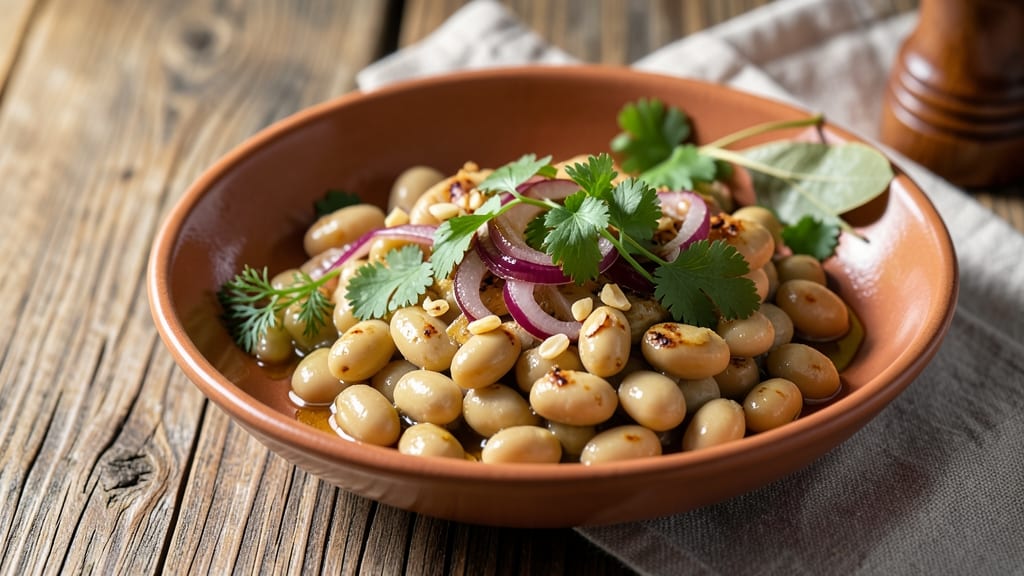
This Azorean fava bean recipe brings the rich, earthy flavors of Portugal's Azores straight to your kitchen table. 🌱 The traditional method involves soaking and slow-cooking fava beans until tender, then simmering them with garlic, cilantro, and often pork or chorizo for that signature Azorean depth.
I've perfected this recipe after years of testing, ensuring every bite delivers the hearty, comforting taste of the islands.
The beauty of Azorean fava beans lies in their versatility—whether you're making the classic feijoada dos Açores or a lighter vegetarian version. The beans absorb flavors beautifully, creating a dish that's both simple and deeply satisfying.
With just a few key ingredients and a little patience, you'll achieve a dish that's restaurant-quality at home.
What makes this recipe special is the balance of textures and flavors: tender beans, aromatic garlic, fresh cilantro, and the smoky richness of pork or chorizo. The slow cooking process transforms tough beans into a creamy, flavorful stew that pairs perfectly with crusty bread or grilled meats.
This is comfort food at its finest.
Ready to bring a taste of the Azores to your kitchen? The process is straightforward, and the results are unforgettable. Let's get started on this traditional dish that's as nourishing as it is delicious.
Ingredients for azorean fava bean
Six core ingredients transform into Azorean comfort food that tastes like home.
| Ingredient | Amount | Notes |
|---|---|---|
| Dried Fava Beans 🌱 | 2 cups | Soaked overnight, skins removed |
| Garlic Cloves 🧄 | 8 cloves | Peeled, minced for depth |
| Fresh Cilantro 🌿 | ½ cup | Chopped, stems included |
| Olive Oil 🫒 | ½ cup | Extra-virgin for richness |
| Onion 🧅 | 1 whole | Yellow, diced |
| Bay Leaves 🌿 | 2 whole | For aromatic depth |
| Salt 🧂 | 1 ½ tsp | Kosher or sea salt |
| Black Pepper 🌶️ | ½ tsp | Freshly ground |
| Smoked Paprika 🌶️ | 1 tsp | For Azorean smokiness |
| Chorizo 🌭 | ½ lb | Sliced for smoky richness |
| Crusty Bread 🍞 | 6 slices | For serving |
| Water 💧 | 6 cups | For soaking and cooking |
The fava beans are the star—dried, not canned, for that authentic texture. Soak them overnight (they triple in size), then peel the skins for that creamy finish. Trader Joe's sells them in bulk, but any specialty store or online will have them. The chorizo? Spanish-style if you can find it—it's got that perfect smoky-sweet balance. Skip it for a vegetarian version, but trust me, it's worth the hunt. If you're short on time, the beans can be pressure-cooked for 30 minutes instead of simmering all day.
No cilantro? Fresh parsley at double the amount works in a pinch. The garlic can be roasted for a sweeter flavor—just toss the whole cloves in olive oil and roast at 400°F for 15 minutes. Olive oil matters here—use something fruity, not the cheap stuff. The bay leaves infuse the beans with subtle aroma, so don’t skip them. For extra richness, stir in a splash of Portuguese red wine at the end (about 2 tbsp). And if you're feeling lazy, pre-minced garlic from the jar is fine—just drain it well.
This tastes even better the next day—3-4 days in the fridge, honestly. The beans thicken as they cool, so add a splash of water if it gets too stiff. Freezes beautifully for up to 3 months, though the texture changes slightly. I always make double—one batch for dinner, one for lunches. The bread? Crusty sourdough from the bakery section soaks up all the flavor. Leftovers reheat well with a splash of water to loosen everything up.
Why You'll Love This Recipe
- No-Soaking Needed: Honestly, I was skeptical about dried fava beans—until I realized you just simmer them overnight. No fancy prepping, no stress. Wake up, drain, and you’re basically halfway done.
- Garlic-Cilantro Magic: That crisp cilantro and raw garlic finish? It’s the kind of flavor that makes you pause mid-bite. Earthy beans meet bright, zesty punch—like a hug for your taste buds.
- Leftover Goldmine: These beans taste better the next day. Toss them into salads, mash them into dips, or just reheat with a splash of water. My lunchbox’s new best friend.
- Budget Pantry Hero: Dried fava beans are dirt cheap, and a single batch stretches for days. Olive oil, onion, garlic—you’re using basics you already have. Filling, flavorful, and guilt-free.
Step-by-step instructions for Azorean fava beans
Let's bring this Azorean classic to life with rich, garlicky fava beans that'll make your kitchen smell amazing.
👨🍳 Step 1: Soak and Prepare the Fava Beans
Start by soaking the 2 cups dried fava beans in the 6 cups water overnight in a large bowl. This gives them time to soften properly and removes any bitter compounds. I like to use a colander to drain them the next day, then give them a quick rinse under cold water to remove any loose skins.
Now it's time to remove the skins. Place the soaked beans in a bowl of cold water and gently rub them between your palms. The skins will float to the top—just skim them off with your fingers. Repeat this process until you've removed as many skins as possible. This step might take a few minutes, but it's worth it for that smooth, creamy texture we're after.
🔥 Step 2: Cook the Fava Beans Until Tender
Transfer the prepared beans to a large pot and cover with fresh water by about 2 inches. Bring to a boil over medium-high heat, then reduce to a simmer and cook for 1.5 to 2 hours until the beans are fork-tender. You'll know they're ready when a knife slides in easily and they're soft but still hold their shape.
Drain the beans, reserving 1 cup of the cooking liquid for later. This starchy liquid will help create that creamy consistency we want in our final dish. Don't skip this step—it's what makes Azorean fava beans so special.
🍳 Step 3: Build the Flavor Base
In a large skillet, heat 0.25 cup of the olive oil over medium heat. Add the diced onion and cook for 5 minutes until softened and translucent. Then add the 8 cloves minced garlic and cook for another 1 minute until fragrant—don't let it brown or it'll turn bitter.
Stir in the 1 tsp smoked paprika, 1.5 tsp salt, and 0.5 tsp black pepper. Cook for 30 seconds until the spices are toasted and aromatic. This is where all the deep, smoky flavors come together—don't rush this step.
🥘 Step 4: Combine and Simmer the Fava Beans
Add the cooked fava beans to the skillet along with the 2 whole bay leaves and the reserved 1 cup cooking liquid. Stir gently to combine, then reduce heat to low. Let the mixture simmer for 15 minutes, stirring occasionally, until it reaches your desired creamy consistency.
Here's the thing—if it looks too thick, add a splash of water or reserved cooking liquid to loosen it up. We want a smooth, velvety texture that coats the back of a spoon. This is where the magic happens, so keep tasting and adjusting as you go.
🔥 Step 5: Finish with Chorizo and Cilantro
Remove the bay leaves and stir in the 0.5 lb sliced chorizo. Cook for 3-4 minutes until the chorizo is heated through and slightly crispy around the edges. This adds that smoky, savory depth that makes this dish truly Azorean.
Finally, stir in the 0.5 cup chopped fresh cilantro and the remaining 0.25 cup olive oil. Taste and adjust seasoning if needed. The cilantro brightens up the dish and cuts through the richness of the beans and chorizo. Serve immediately with the 6 slices crusty bread to soak up every last bit of that delicious sauce.
Pro Tips For Making Azorean Fava Bean
- SOAK BEANS TWICE: Dried favas need a solid 12-hour soak in cold water—change the water halfway. I learned this the hard way when my first batch turned to mush; the second soak breaks down stubborn skins without sacrificing texture.
- SMASH GARLIC RIGHT: Minced garlic burns fast in olive oil. Crush the cloves with the flat side of your knife first, then add them whole to the pan—let them sizzle for 30 seconds before crushing further. This builds flavor without bitterness.
- SALT THE WATER: Add 1 tablespoon of salt to the soaking water. It prevents the beans from absorbing too much liquid later, which keeps them firm and prevents that sad, watery texture when cooked.
- FINISH WITH CILANTRO LATE: Toss in chopped cilantro only at the very end, off the heat. The heat wilts it into oblivion, and you want those bright, fresh notes to pop—not turn into sad, limp garnish. (Yes, even if you’re impatient like me.)
Make-ahead tips for this azorean fava bean
Overnight Prep
Start your Azorean fava beans the night before by soaking the 2 cups dried beans in 6 cups water for at least 8 hours—this reduces cooking time significantly. I always use a large bowl with a lid or plastic wrap to keep them submerged.
The longer they soak, the more tender they become, making the final texture velvety. 🌱
Skin Removal Shortcut
Removing fava bean skins can feel tedious, but here's my trick: after soaking, transfer the beans to a blender with 1 cup fresh water and blend for 30 seconds.
The skins will separate from the beans, and you can strain them through a fine-mesh sieve. This saves 15-20 minutes of manual work while keeping the creamy texture intact.
Pressure Cooker Hack
If you're short on time, use a pressure cooker to cut cooking time from 2 hours to just 30 minutes. Add the soaked beans to your Instant Pot with 6 cups water, cook on high pressure for 25 minutes, then quick-release.
The beans will be perfectly tender, and the starchy cooking liquid will still be rich and flavorful for thickening the final dish.
Fridge Storage
This dish tastes even better the next day! Store leftovers in an airtight container in the fridge for up to 4 days. The flavors meld beautifully overnight, and the beans develop a thicker, creamier consistency.
Reheat gently on the stovetop with 1-2 tablespoons of water to prevent drying out. I always make a double batch—one for dinner and one for lunches all week.
Freezer-Friendly
Freeze portions in quart-sized freezer bags for up to 3 months. When ready to eat, thaw overnight in the fridge, then reheat on the stovetop with a splash of water.
The texture will be slightly softer after freezing, but the flavor remains rich and comforting. Label your bags with the date to keep track—trust me, you'll want to eat this often!
Make-Ahead Serving
For a stress-free meal, prepare everything except the chorizo and cilantro the day before. Store the cooked beans in the fridge, then reheat and finish with the chorizo and fresh herbs just before serving.
This keeps the cilantro bright and the chorizo crispy. Serve with warm crusty bread or grilled meats for an authentic Azorean spread. ✨
Nutrition facts
Frequently asked questions
Can I substitute canned fava beans for dried?
While canned beans save time, they lack the rich, earthy texture of properly soaked and cooked dried fava beans. If you must use canned, choose high-quality ones with minimal additives, drain and rinse thoroughly, and simmer them with the reserved cooking liquid for 20 minutes to develop flavor. The dish will be less creamy but still delicious.
What makes this recipe authentically Azorean?
The key elements are the slow-cooked beans with skins removed, the aromatic garlic-cilantro finish, and the smoky depth from chorizo or pork. Traditional Azorean versions also use bay leaves and smoked paprika for that island flavor. The dish is often served as a side or main with crusty bread, mirroring Azorean feasts.
How do I fix mushy fava beans?
If your beans turn mushy, you likely overcooked them. Start with fresh beans and simmer them at low heat for 1.5 hours, checking frequently. For extra insurance, use a pressure cooker (25 minutes on high) or reduce the cooking liquid slightly. The beans should be tender but still hold their shape when pierced with a fork.
Can I make this vegetarian?
Skip the chorizo and replace it with 1 cup diced smoked tofu or 1/2 lb mushrooms for umami depth. Add 1 tsp liquid smoke or a splash of soy sauce to mimic the smoky flavor. The dish will still be hearty and satisfying while keeping the traditional Azorean essence.
Why does my dish taste bland?
Blandness usually comes from insufficient seasoning or underdeveloped flavors. Boost the garlic to 10 cloves, add 1/2 tsp cayenne for heat, or stir in 2 tbsp red wine vinegar at the end. Taste as you go—Azorean flavors build gradually, so don't be shy with salt and spices during cooking.