
Main Courses
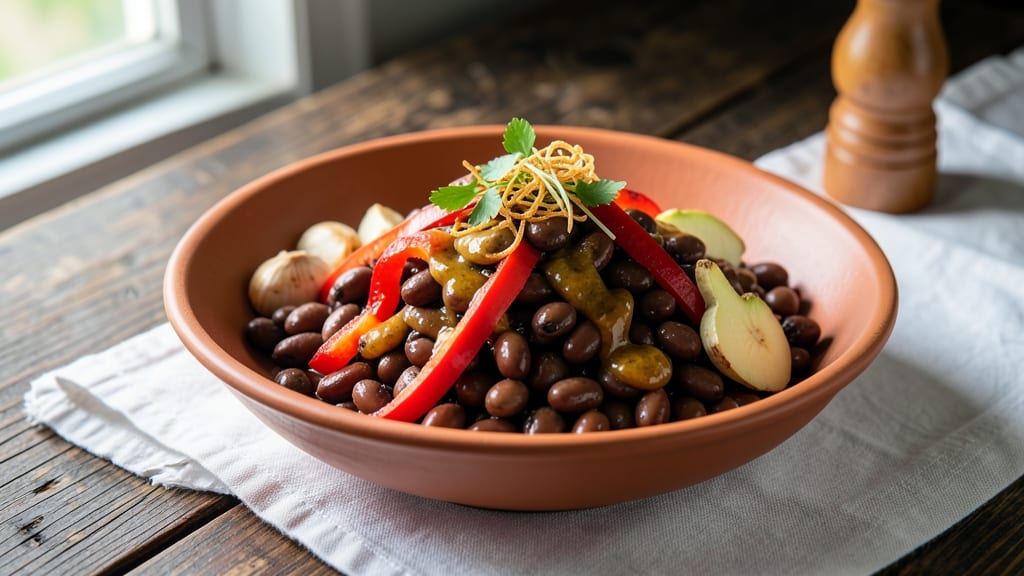
This Asian black bean recipe transforms humble black beans into a crispy-edged, savory stir-fry that captures the essence of wok-house flavor without the fuss. The secret lies in a quick marinade of fermented black beans, garlic, and ginger—just 15 minutes of prep before hitting the hot pan.
I developed this after years of experimenting with Asian-inspired dishes, and it’s now my go-to for weeknight dinners that feel restaurant-worthy.
The technique is simple but critical: high heat and minimal oil create those coveted crispy edges while keeping the beans tender inside. A splash of soy sauce and a touch of sesame oil add depth, while fresh cilantro and scallions brighten the dish at the end.
This recipe delivers bold, umami-packed flavor with just 5 key ingredients—no complicated techniques required.
What you’ll end up with is a vibrant stir-fry that’s packed with texture—crispy black beans, silky bell peppers, and a fragrant sauce that coats every bite. The aroma alone will have everyone at the table asking for seconds.
Serve it over steamed rice or with warm tortillas for a meal that’s both satisfying and adaptable to any dietary preference.
Perfect for meal prep or last-minute dinners, this dish keeps well in the fridge for up to 3 days, making it ideal for busy schedules. The crispy edges stay intact even when reheated, ensuring every bite tastes fresh. Let’s get cooking!
Ingredients for asian black bean
Five core ingredients transform simple black beans into restaurant-worthy stir-fry magic.
| Ingredient | Amount | Notes |
|---|---|---|
| Dry Black Beans 🌱 | 1 ½ cups | Rinsed thoroughly before cooking |
| Fermented Black Beans 🍶 | ¼ cup | In brine, rinsed well |
| Red Bell Peppers 🌶️ | 2 whole | Sliced into thin strips |
| Garlic Cloves 🧄 | 4 cloves | Minced finely for aroma |
| Fresh Ginger 🌿 | 1 tbsp | Grated, not powdered |
| Light Soy Sauce 🍶 | 2 tbsp | Or tamari for gluten-free |
| Sesame Oil 🫒 | 1 tbsp | Toasted for authentic flavor |
| Vegetable Oil 🫒 | 2 tbsp | High smoke point preferred |
| Fresh Cilantro 🌿 | ¼ cup | Chopped, for garnish |
| Green Onions 🧅 | 4 whole | Thinly sliced, white and green parts |
| White Rice 🍚 | 2 cups | Uncooked, for serving |
| Salt 🧂 | ½ tsp | Kosher or sea salt |
| Black Pepper 🌶️ | ¼ tsp | Freshly ground |
| Sugar 🍯 | 1 tsp | White or brown |
The fermented black beans are non-negotiable—they bring that signature umami punch that separates this from regular black bean stir-fries. Look for them in the Asian aisle of stores like Trader Joe's or H Mart, where they're often sold in jars with brine. If you can't find them, miso paste at half the amount works in a pinch, though it won't be identical. The dry black beans should be medium-sized—smaller ones get mushy when stir-fried. Soak them overnight if you're prepping ahead, or use the quick-soak method (boil 2 minutes, then let sit 1 hour) if you're short on time. The key to crispy edges is high heat and minimal oil, so don't skimp on the vegetable oil—it needs to get hot enough to create that wok-hei effect.
No fermented black beans? Double the soy sauce and add 1 tsp fish sauce (or soy sauce + 1/2 tsp seaweed flakes for vegetarian). The bell peppers can be any color—yellow or orange work just as well, but red adds that classic stir-fry vibrancy. For the garlic and ginger, fresh is non-negotiable—powdered versions won't give you that aromatic punch. If you're watching sugar, you can omit it entirely, but it helps balance the saltiness of the soy sauce. The sesame oil should be toasted, not regular—it makes all the difference in that nutty aroma. And if you're feeling fancy, toast the sesame seeds separately and sprinkle them on top at the end for extra crunch.
This dish reheats beautifully—just 2 minutes in a hot skillet with a splash of water to steam the edges back to crisp. Keeps in the fridge for 3-4 days if stored in an airtight container, though the texture starts to soften after day 2. For meal prep, I recommend making the dry beans and sauce separately, then combining just before serving to maintain that crispy texture. The rice should be steamed fresh for each serving—microwaved rice gets gummy and ruins the presentation. If you're making this for a crowd, double the oil and use two woks or large skillets—overcrowding kills the crispy edges. And trust me, the crispy edges are worth the effort.
Why You'll Love This Recipe
- No-Soaking Needed: I’ll admit, I used to dread soaking beans—but these dry black beans soften fast with a quick pressure cook or overnight soak (your call). The fermented black beans add that funky, umami punch without extra work, so you’re basically cheating the system.
- Flavor Bomb Combo: That crisp-tender red bell pepper and fresh ginger? Chef’s kiss. The fermented beans bring this deep, salty-sweet tang that cuts through the garlic’s sharpness, leaving you with a dish that’s both bold and balanced—like a hug for your taste buds.
- Lunchbox Superstar: Between us, this recipe is my go-to for packed lunches. The beans hold up for days (yes, really), and I just toss in some steamed rice or noodles to make it a full meal. My kids groan when I pack it, but they’re the first to finish it.
- Pantry Magic: Honestly, this recipe is my budget-friendly secret weapon. Dry black beans are a steal, fermented beans last forever, and those bell peppers? Often on sale. I’ve made this for date nights, potlucks, and even lazy Sundays—no excuses, just flavor.
Step-by-step instructions for Asian black bean stir-fry
Here's the method for achieving that perfect balance of crispy edges and tender beans every time.
Prepare the Black Beans for Maximum Texture
Start by rinsing the 1.5 cups dry black beans thoroughly under cold water to remove any debris. Place them in a small pot and cover with 3 cups fresh water. Bring to a boil over high heat, then immediately reduce to a simmer. Cook for 45-50 minutes until the beans are tender but still hold their shape—you'll know they're ready when they're fork-tender but not mushy.
While the beans cook, drain the 0.25 cup fermented black beans and rinse them well to remove excess brine. Set aside. The fermented beans will add that signature tangy depth to your stir-fry. Don't skip rinsing—they're packed with flavor but can be overly salty straight from the jar.
Build the Stir-Fry Base with Aromatics
Heat a large wok or skillet over medium-high heat until hot. Add 2 tablespoons vegetable oil and swirl to coat the pan. Add the 2 whole red bell peppers, sliced into thin strips, and stir-fry for 3-4 minutes until they begin to soften but still retain a slight crunch. You want them to stay vibrant, not turn mushy.
Add the 4 cloves minced garlic and 1 tablespoon grated fresh ginger, stirring constantly for 30 seconds until fragrant. Here's the thing—don't let the garlic burn. It should smell amazing but not bitter. If it starts to darken too quickly, reduce the heat slightly. The aromatics are the flavor foundation of this dish.
Develop the Sauce and Combine Ingredients
Pour in the 2 tablespoons light soy sauce and 1 tablespoon sesame oil, stirring to combine with the vegetables. Add the 1 teaspoon sugar and let the mixture cook for 1 minute until the sauce begins to glaze slightly. This step balances the saltiness with a touch of sweetness that enhances all the flavors.
Add the cooked 1.5 cups dry black beans and 0.25 cup fermented black beans to the pan. Stir-fry for 2-3 minutes until everything is well-coated and heated through. The beans should be hot but not breaking apart. If the mixture seems too dry, add 1 tablespoon water to help create a light sauce that clings to everything.
Finish with Fresh Herbs and Seasoning
Remove the pan from heat and stir in the 0.5 teaspoon salt and 0.25 teaspoon black pepper. Add the 0.25 cup chopped fresh cilantro and 4 whole green onions, sliced thin, to brighten the dish with freshness. Let the mixture sit for 1 minute to allow the flavors to meld together.
Taste and adjust seasoning if needed. The stir-fry should be savory with a hint of tang from the fermented beans, slightly sweet from the sugar, and fresh from the herbs. Serve immediately over 2 cups cooked white rice for the perfect balance of textures and flavors. The crispy edges on the bell peppers and fermented beans will contrast beautifully with the tender beans and soft rice.
Pro Tips For Making Asian Black Bean
- SOAK BEANS OVERNIGHT: Dry black beans need serious hydration—skip the quick-soak shortcut. I learned this the hard way when my beans stayed rock-hard despite simmering. Cover them in water (at least 3 inches deep) and let them sit 12+ hours; this breaks down the starches and cuts cooking time by half.
- CHAR FERMENTED BEANS: Don’t just toss them in raw—sear fermented black beans in a dry pan for 2 minutes until fragrant and slightly crisp. This deepens their umami punch and prevents them from dissolving into mush when they hit the pot. (Yes, even if you’re impatient like me.)
- PEEL GINGER THIN: Thinly slice fresh ginger (no peeling needed) so it infuses flavor without turning the dish into a chewy mess. I used to chunk it like a rookie—now I just run a spoon along the skin to loosen it, then slice paper-thin with a knife. The texture stays smooth, and the heat’s more even.
- SIMMER LOW AND LONG: After adding the beans, keep the heat at a bare simmer (tiny bubbles, not rolling) for at least 45 minutes. I used to rush it, and the result was a watery, underflavored sludge. Low heat lets the fermented beans bloom and the dry beans soften without splitting open. (Your future self will thank you.)
Common mistakes when making this recipe
Overcooking the Beans
Black beans are delicate when stir-fried—they turn mushy if cooked too long. I’ve ruined this dish more times than I’ll admit by letting them sit in the pan beyond 2-3 minutes after adding them. The goal is tender but still holding shape, not falling apart.
If your beans look sad and soft, you’ve gone too far. Pull them out immediately when they’re just fork-tender, not when they’re fully soft. 🌱
Skipping the High Heat
Low heat = no crispy edges. This dish relies on that wok-hei effect where the edges get crispy while the inside stays tender. If you’re using medium heat or lower, you’ll end up with a soggy stir-fry.
Crank that wok or skillet to high heat and let it get screaming hot before adding oil. A carbon steel wok is ideal, but a heavy stainless steel skillet works too—just give it time to heat up properly.
Using Old Fermented Beans
Fermented black beans lose their punch when they go bad. If yours smell off or taste overly sour, toss them. Fresh fermented beans should have a tangy, funky aroma—like a mix of soy sauce and vinegar.
I keep mine in the fridge once opened and use them within 2 weeks. If yours are past their prime, substitute with 1 tbsp miso paste + 1 tsp soy sauce, but it won’t be the same. 🍶
Not Rinsing the Fermented Beans
Fermented black beans are packed with salt from the brine. If you skip rinsing, your stir-fry will taste like a salt lick. Give them a quick rinse under cold water to remove excess salt, then pat dry.
This step is non-negotiable—trust me, your taste buds will thank you. I’ve made this mistake and had to salvage the dish by adding extra water and rice to dilute the saltiness.
Overcrowding the Pan
Too many ingredients in one pan = steam instead of crispy edges. Stir-fries need space to breathe. If your pan looks crowded, cook in two batches. I’ve seen home cooks try to rush this and end up with a sad, watery mess.
The goal is high heat and quick cooking—if you’re struggling to stir, you’re doing it wrong. A 12-inch wok is perfect for this recipe, but a large skillet works if you’re cooking in batches. 🔥
Using Low-Quality Oil
Not all oils are created equal. If you’re using butter, olive oil, or anything with a low smoke point, you’ll burn the garlic and end up with bitter flavors. Stick to vegetable oil, peanut oil, or avocado oil—they handle high heat without breaking down.
I keep a bottle of Mazola corn oil on hand specifically for stir-fries because it’s cheap, high-smoke, and flavorless. A little goes a long way! 🫒
Nutrition facts
Frequently asked questions
Can I substitute dry black beans with canned?
Use 2 (15 oz) cans of drained black beans instead of dry. Rinse them well to remove excess sodium, then pat dry before stir-frying. Canned beans save 1 hour of soaking time, but they won’t have the same texture—expect slightly softer results. For best crispy edges, drain thoroughly and sear them in the pan for 1 extra minute after adding.
What if I can't find fermented black beans?
No problem! Mix 1 tbsp miso paste + 1 tsp soy sauce for a similar umami depth. For a vegetarian version without miso, use 1 tbsp soy sauce + 1/2 tsp seaweed flakes. The flavor won’t be identical, but it’ll still pack that savory punch. Pro tip: Toast the seaweed flakes in the pan first to enhance their aroma.
How do I make this gluten-free?
Swap light soy sauce for tamari or coconut aminos (1:1 ratio). Check your fermented black beans—some brands contain wheat. For extra insurance, use a dedicated gluten-free soy sauce like San-J Tamari. The crispy edges and texture stay exactly the same, just with gluten-free ingredients. Always verify labels, as cross-contamination can happen.
Can I make this ahead of time?
Yes, but with a twist! Cook the beans and sauce separately, then refrigerate in airtight containers for up to 3 days. When ready to serve, reheat the sauce in a pan, then toss in the beans for 2-3 minutes to revive crispy edges. For best texture, serve immediately over freshly cooked rice. The flavors meld beautifully overnight, but the edges soften if reheated fully.
What's the best way to store leftovers?
Store in an airtight container in the fridge for 3-4 days or freeze for up to 3 months. For freezing, portion into single-serving containers with a splash of water to prevent drying. Reheat in a skillet over medium heat with 1 tsp oil—don’t microwave, or the crispy edges will turn soggy. Add fresh cilantro and green onions after reheating to restore brightness.