
Soups & Stews
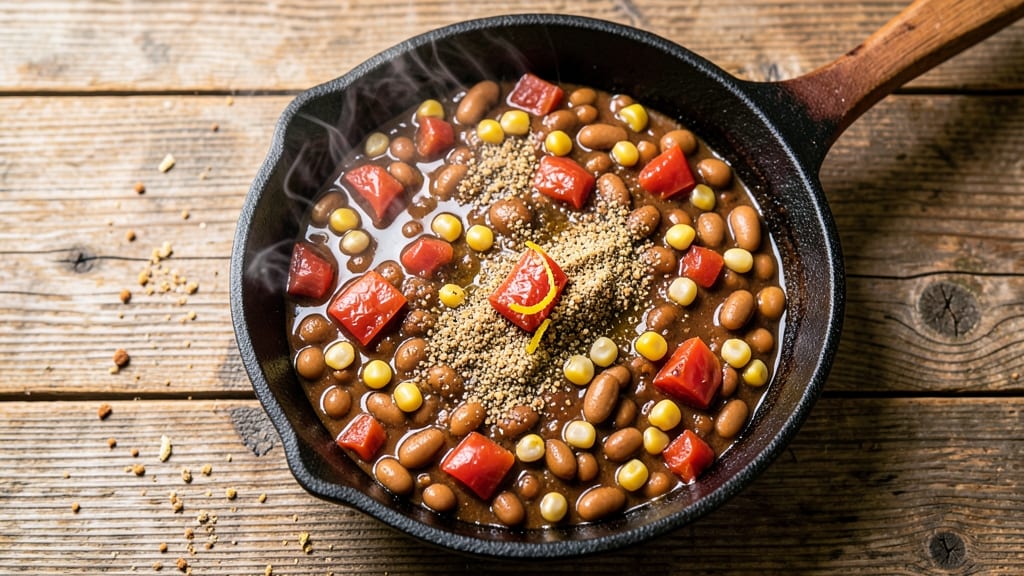
Anasazi bean chili brings the ancient flavors of the Southwest to your pot, where earthy cumin and smoky chiles create a dish as rich in history as it is in taste. This vegetarian chili honors Native traditions while delivering hearty, satisfying depth that transforms simple ingredients into something extraordinary. The key lies in slow-simmered beans, toasted spices, and the perfect balance of sweet corn and fire-roasted tomatoes.
What sets this recipe apart is its cultural authenticity—inspired by the ancestral Pueblo people who perfected these flavors long before modern kitchens.
The blend of pinto beans, hominy, and blue cornmeal creates a texture that's both rustic and refined, while cumin and ancho chiles build layers of warmth that linger long after the last bite.
Unlike many chilis, this version relies on the natural sweetness of corn and tomatoes to complement the earthy spices.
By the time you're done, you'll have a chili that's thick with body, vibrant with color, and packed with flavor—ready to be served with a dollop of sour cream, crumbled cheese, or fresh avocado.
The aroma alone will transport you to a desert mesa at sunset, while the taste delivers the comfort of a dish that's been perfected over centuries. This isn't just chili; it's a taste of history in every spoonful.
The beauty of Anasazi bean chili is its versatility—equally at home as a weeknight dinner or a centerpiece for gatherings. It reheats beautifully, making it perfect for meal prep, and the flavors only deepen over time.
Whether you're celebrating heritage or simply craving something meaningful, this recipe delivers both tradition and satisfaction in every bowl.
Ingredients for anasazi bean chili
Ancient Southwest flavors come alive with these 15 simple ingredients—earthy, smoky, and deeply satisfying.
| Ingredient | Amount | Notes |
|---|---|---|
| Dried Pinto Beans 🌾 | 2 cups | Soaked overnight or quick-soaked |
| Dried Blue Cornmeal 🌽 | ½ cup | For rustic texture and color |
| Hominy (Dried) 🌽 | 1 cup | Pre-soaked or canned, drained |
| Fire-Roasted Diced Tomatoes 🍅 | 2 cups | San Marzano preferred for sweetness |
| Sweet Corn Kernels 🌽 | 1 ½ cups | Fresh or frozen, thawed |
| Ground Cumin 🌿 | 2 tbsp | Toasted for deeper aroma |
| Ancho Chile Powder 🌶️ | 1 ½ tbsp | Smoked, adjust for heat |
| Dried Oregano 🍃 | 1 tbsp | Mexican oregano if available |
| Garlic Cloves 🧄 | 4 cloves | Minced, fresh preferred |
| Yellow Onion 🧅 | 1 whole | Diced, medium size |
| Vegetable Broth 💧 | 4 cups | Low-sodium preferred |
| Extra-Virgin Olive Oil 🫒 | 2 tbsp | For toasting spices |
| Salt 🧂 | 1 ½ tsp | Kosher or sea salt |
| Black Pepper 🌶️ | ½ tsp | Freshly ground |
| Cayenne Pepper 🔥 | ¼ tsp | Optional for heat |
The beans and cornmeal are the heart of this chili, so don't skimp. Dried pinto beans from Whole Foods or bulk bins have the best texture—skip the canned unless it's a pinch. For the blue cornmeal, Bob's Red Mill is my go-to, but any native cornmeal works. The hominy? Canned is fine if you're short on time, just drain it well. Fire-roasted tomatoes are non-negotiable—they bring that smoky depth that makes this chili taste like it's been simmering for hours. If you can't find them, regular diced tomatoes with a pinch of smoked paprika will do in a pinch.
No ancho chiles? Substitute 1 tbsp smoked paprika plus 1/4 tsp cayenne for a similar effect. Fresh corn? Frozen works just as well—no need to thaw it first. The cumin needs to be toasted—heat it in the oil for 30 seconds until fragrant. That's where the magic happens. Mexican oregano is worth hunting down at a Latin market, but regular oregano works too. The garlic and onion are your aromatics—sauté them until soft but not browned, or you'll get bitterness. And if you're worried about the chili being too thin, mash a few beans at the end to thicken it naturally.
This chili tastes even better the next day—double the batch if you can. Keeps in the fridge for 5 days and freezes beautifully for 3 months. I always make a big pot and freeze half for lazy nights. To reheat, just warm it gently on the stove with a splash of broth. Serve it with avocado slices or vegan sour cream to keep it vegetarian-friendly, and don't forget the cilantro if you love it—it brightens everything up.
Why You'll Love This Recipe
- I’ll be real: this recipe stretches my grocery budget and my patience for leftovers. A pound of dried beans and a bag of hominy feed my family for days—no sad, wilted salads here. The flavor actually improves after a day or two, so I make a double batch and freeze half. Zero waste, zero guilt, just pure satisfaction.
- One-Pot Magic: Honestly, I swear by this recipe because it’s literally dump-and-simmer. Soak the pinto beans overnight (or use canned if you’re in a rush), toss everything into one pot—the hominy, blue cornmeal, tomatoes, even the corn—and let it bubble. No chopping, no fuss, just layers of flavor building while you do other stuff.
- Earthy-Sweet Depth: Here’s what sold me—the blue cornmeal gives it this unexpected nutty richness, while the fire-roasted tomatoes add smoky warmth. The hominy? It’s like little chewy pearls of comfort, and the sweet corn kernels bring a bright pop. It’s not your typical chili—it’s got character, like a well-worn leather jacket.
- Tailored for Everyone: Between us, this chili works for any gathering. Too fancy for a weeknight? Add avocado and lime. Keeping it simple? Serve it with tortillas and a cold beer. My daughter picks out the corn first (she’s weird like that), but even my picky dad finishes his bowl. It’s the kind of dish that adapts without trying too hard.
Step-by-step instructions for Anasazi bean chili
Let's bring ancient Southwest flavors to life with this hearty, textured chili.
Prepare the Base Ingredients
Start by soaking the 2 cups dried pinto beans overnight in plenty of water, or use the quick-soak method: cover with fresh water, bring to a boil for 2 minutes, then let sit off heat for 1 hour. Drain and rinse thoroughly before using.
For the 1 cup dried hominy, follow package instructions for soaking (usually 1-2 hours), then drain and rinse. If using canned hominy, drain it completely and pat dry. The hominy adds that signature crunch and earthy flavor that makes this chili special.
While the beans and hominy soak, dice the 1 whole yellow onion into small, even pieces—about ¼-inch size. This ensures the onion cooks through completely without turning mushy. Set it aside with the minced 4 cloves garlic (I like to use a microplane for this—it gives you perfectly fine, flavorful bits).
Toast the Spices and Build the Flavor Foundation
Heat the 2 tablespoons extra-virgin olive oil in a large, heavy pot over medium heat. Add the diced onion and cook for 5-6 minutes until soft and translucent. Add the minced garlic and cook for another 30 seconds until fragrant—don't let it brown or it'll turn bitter.
Now for the spice blend that makes this chili unique: reduce heat to medium-low and add the 2 tablespoons ground cumin and 1.5 tablespoons ancho chile powder. Toast for 1-2 minutes, stirring constantly, until you can smell that deep, earthy aroma. This step develops the complex flavors that define Anasazi chili.
Add the 1 tablespoon dried oregano and 0.25 teaspoon cayenne pepper, stirring for another 30 seconds to fully incorporate. The spices should be warm but not burning—this ensures they release their maximum flavor without turning acrid.
Combine and Simmer the Chili
Add the drained pinto beans, hominy, 2 cups fire-roasted diced tomatoes, 1.5 cups sweet corn kernels, and 4 cups vegetable broth to the pot. Stir well to combine, then bring everything to a gentle boil over medium-high heat. Once boiling, reduce heat to low and let it simmer uncovered for 45-60 minutes, stirring occasionally.
During this time, the chili will thicken naturally as the beans break down. You're looking for a consistency where the broth coats the back of a spoon but still has some body. If it gets too thick before the 45-minute mark, add ¼ cup water to loosen it.
The key here is patience—don't rush the cooking. The longer it simmers, the more the flavors meld together. You'll know it's ready when the beans are tender but still hold their shape and the hominy has a satisfying bite.
Season and Finish to Perfection
Taste the chili and adjust the seasoning. Add the 1.5 teaspoons salt and 0.5 teaspoon black pepper, stirring well. The chili should be rich and flavorful, with a balance of smoky, earthy, and slightly sweet notes. If you want more heat, add a pinch more of the ancho chile powder or cayenne pepper.
Let the chili rest off heat for 10 minutes before serving. This allows the flavors to fully develop and the textures to settle. The 0.5 cup dried blue cornmeal is added at the end—just sprinkle it over each serving as you plate it. This gives that signature rustic texture and beautiful blue hue that makes this chili visually stunning.
Serve hot with toppings like avocado slices, fresh cilantro, or a dollop of sour cream if you like. The contrast of the cool toppings with the warm, spiced chili makes every bite even more satisfying.
Pro Tips For Making Anasazi Bean Chili
- SOAK BEANS OVERNIGHT: Dried pinto beans expand more evenly when soaked 8–12 hours—no splitting or uneven texture later. I learned this the hard way after a batch of beans turned to mush from a rushed soak.
- TOAST THE CORNMEAL: Sauté the blue cornmeal in oil for 3–4 minutes until it smells nutty and golden—this prevents a chalky aftertaste. Skip this, and you’ll taste the raw flour instead of the deep, toasty flavor.
- ADD HOMINY LAST: Toss in dried hominy only in the final 10 minutes of simmering, or it’ll turn to mush and water down the chili. I used to add it early, and the texture suffered every time.
- USE FIRE-ROASTED TOMATOES COLD: Drain and rinse canned fire-roasted tomatoes first—they’re packed in liquid, and adding it straight in dilutes the chili. A quick cold rinse keeps the flavor concentrated.
Flavor customization for this anasazi bean chili
Spice Level Control
Ancho chile powder gives this chili its signature smoky depth, but you can adjust the heat to your preference. For a milder version, reduce the ancho to 1 tablespoon and skip the cayenne entirely.
If you love heat, add ½ teaspoon extra cayenne or a pinch of chipotle powder for a deeper smokiness. I often toast extra ancho chiles whole in a dry skillet for 30 seconds before grinding them fresh—this intensifies the flavor without adding heat. 🌶️
Sweetness Balance
The natural sweetness of corn and tomatoes is key to Anasazi chili’s balance. For extra sweetness, add ½ cup diced pineapple or 1 tablespoon honey during the last 10 minutes of simmering. If your tomatoes are tart, swap in ½ cup roasted red bell peppers for a sweeter, milder profile.
I’ve also found that adding 1 teaspoon brown sugar while toasting the spices enhances the caramelized notes without overpowering the dish.
Texture Variations
For a creamier texture, stir in ½ cup coconut milk or ¼ cup Greek yogurt at the end for a velvety finish. If you prefer extra crunch, toast ¼ cup pepitas (pumpkin seeds) in the same oil used for the spices and sprinkle them on top.
My go-to trick? Mash ¼ cup of the cooked beans with a fork before adding them to the pot—this thickens the chili naturally while keeping it rustic. 🌾
Herb Enhancements
Fresh herbs brighten the dish without overpowering the spices. Add 2 tablespoons chopped cilantro or 1 tablespoon chopped epazote (if available) in the last 5 minutes of cooking. For a deeper herbal note, infuse the broth with 1 bay leaf while simmering.
I also love a pinch of dried sumac for a tangy kick—it’s a staple in Southwest cuisine and pairs beautifully with the cumin and chile.
Protein Add-Ins
While this chili is traditionally vegetarian, you can easily boost protein. Stir in 1 cup cooked quinoa for a heartier base or add ½ cup crumbled tempeh during the last 10 minutes of cooking.
For a meaty twist, brown ½ pound ground turkey or lentils with the onions and garlic. I’ve even seen versions with black beans for extra richness—just reduce the broth slightly to maintain balance.
Regional Twists
In New Mexico, many add 1 teaspoon ground fennel for an anise-like note, while Arizona versions often include diced jalapeños for a fresh heat. For a Navajo-inspired touch, fold in 1 tablespoon crushed piñon nuts at the end.
My favorite regional tweak? A sprinkle of blue corn tortilla strips on top—it adds a satisfying crunch and ties into the dish’s heritage. 🗺️
Nutrition facts
Frequently asked questions
What makes Anasazi bean chili different from regular vegetarian chili?
This chili stands out with its blue cornmeal finish and hominy for texture, plus a smoky depth from ancho chile powder and toasted cumin. Unlike traditional chilis that rely on meat or extra tomatoes, Anasazi chili balances earthy spices with sweet corn and beans for a unique, rustic profile that honors Southwest Native traditions.
Can I make this chili without soaking the beans overnight?
Yes! Use the quick-soak method: cover dried beans with water, bring to a boil for 2 minutes, then let sit off heat for 1 hour before draining. This cuts prep time while still ensuring tender beans. For hominy, canned works fine—just drain it completely to avoid a watery chili.
How do I adjust the heat level for picky eaters?
Reduce the ancho chile powder to 1 tablespoon and skip the cayenne pepper entirely. For extra mildness, add ½ cup roasted red bell peppers instead of tomatoes—they sweeten the flavor naturally. Always taste before serving and adjust salt last to preserve the chili's balanced profile.
What's the best way to store leftovers?
Let the chili cool completely, then transfer to airtight containers. It keeps in the fridge for 5 days and freezes beautifully for 3 months. To reheat, warm gently on the stove with a splash of broth—never microwave directly from frozen. The flavors actually deepen overnight!
Can I substitute canned beans for dried?
Yes, but drain and rinse them well to remove excess sodium. Use 2 (15-oz) cans pinto beans instead of dried. For best results, add them during the last 10 minutes of simmering to prevent mushiness. The texture will be slightly softer than dried beans, but the flavor remains rich and satisfying.