
Soups & Stews
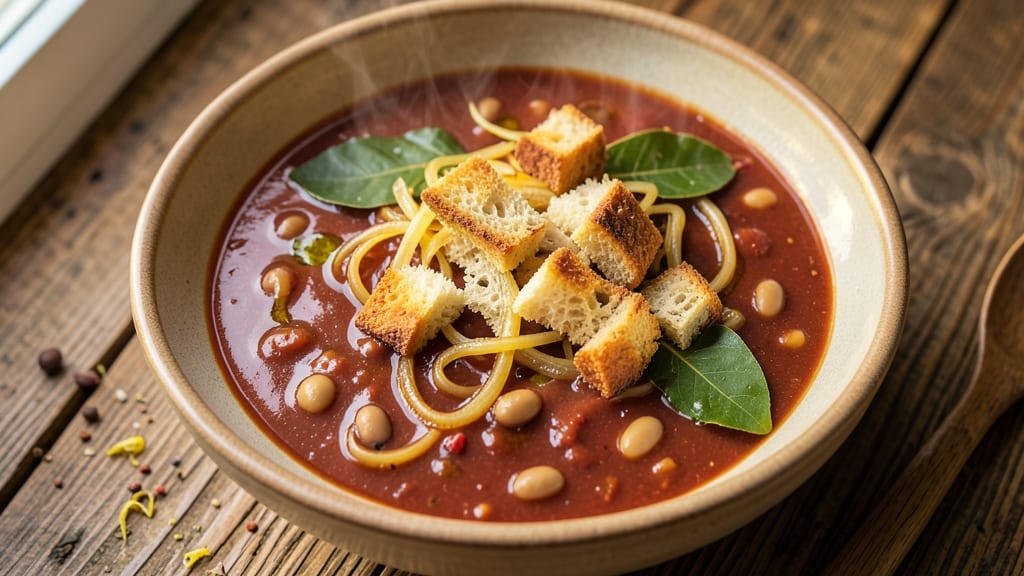
America's Test Kitchen navy bean soup delivers restaurant-quality depth using simple pantry staples and traditional techniques. The secret lies in toasting spices and reducing the broth properly—steps that transform basic ingredients into a velvety, flavor-packed soup with just 5 minutes of prep and 1 hour of simmering.
This vegetarian version proves hearty meals don't require meat, offering rich umami from caramelized onions and a silky texture from properly cooked beans.
The recipe begins with sautéing onions until deeply golden, a crucial step that develops sweetness and removes raw flavors. Aromatic spices like bay leaves and thyme infuse the broth during the simmer, while a touch of tomato paste adds depth without overpowering.
The navy beans soften perfectly, absorbing the surrounding flavors while maintaining their structure—no mushy results here. This method ensures every spoonful is balanced between earthy bean goodness and aromatic broth.
What makes this soup exceptional is its versatility and approachability. Serve it with crusty bread for dipping or alongside a simple green salad to round out the meal. The recipe scales effortlessly for gatherings, and leftovers reheat beautifully, maintaining that silky texture.
For those watching their sodium intake, simply reduce the salt in the broth—this method still delivers maximum flavor without relying on excessive seasoning.
Perfect for weeknight dinners or meal prep, this soup combines traditional techniques with modern convenience. The result is a comforting, nourishing dish that feels both familiar and elevated—proof that pantry staples can create something truly special. Ready to transform your soup game? Let's get started with this foolproof recipe.
Ingredients for america's test kitchen navy bean soup
Pantry staples and precise techniques create America's Test Kitchen's velvety navy bean soup.
| Ingredient | Amount | Notes |
|---|---|---|
| Yellow Onions 🧅 | 2 whole | Sliced thinly for caramelization |
| Navy Beans 🌾 | 1 ½ cups | Dried, soaked overnight |
| Vegetable Broth 💧 | 4 cups | Low-sodium preferred |
| Tomato Paste 🍅 | 2 tbsp | High-quality, no sugar added |
| Garlic Cloves 🧄 | 3 cloves | Minced for aromatic depth |
| Bay Leaves 🍃 | 2 whole | Fresh for optimal flavor |
| Fresh Thyme 🌿 | 1 tbsp | Leaves only, chopped |
| Olive Oil 🫒 | ½ cup | Extra-virgin for richness |
| Salt 🧂 | 1 ½ tsp | Adjust to taste |
| Ground Black Pepper 🌶️ | ½ tsp | Freshly ground preferred |
| Caramelized Onions 🧅 | ½ cup | Store-bought or homemade |
| Crusty Bread 🍞 | 1 loaf | For serving (optional) |
The onions are the foundation—yellow onions with their sweet undertones caramelize beautifully for depth. For the best flavor, buy them fresh from a well-stocked market like Whole Foods or Trader Joe's, where they're consistently crisp and vibrant. Navy beans should be dried, not canned, for that silky texture; soak them overnight in plenty of water. The vegetable broth is non-negotiable—low-sodium versions like Pacific Foods or Imagine ensure you control the seasoning. Fresh thyme and bay leaves elevate the broth, but if you're using dried, reduce to one-third the amount—they pack more punch when dehydrated.
No caramelized onions? Store-bought versions work perfectly—just check they're made with olive oil, not butter. Fresh thyme unavailable? Dried oregano at half the quantity mimics its earthy notes. The tomato paste adds depth without overpowering; San Marzano is ideal, but any high-quality brand suffices. For a richer broth, toast the spices in olive oil before adding liquid—this releases their essential oils and intensifies flavor. The navy beans should be firm yet tender after cooking; if they're mushy, reduce simmering time slightly.
Store leftover soup in airtight containers for up to 5 days—it tastes even better the next day as flavors meld. Freeze portions for 3 months by portioning into ice cube trays first, then transferring to bags. The crusty bread pairs beautifully; baguettes from a French bakery or sourdough from a local artisan add that restaurant-quality touch. For meal prep, double the batch and freeze half—thaw overnight in the fridge before reheating gently on the stove.
Why You'll Love This Recipe
- No-Sweat Simplicity: I swear by this recipe because it’s the kind of meal that doesn’t demand your full attention. Sauté onions and garlic, stir in tomato paste and broth, toss in beans—done. Even if you’re the kind of cook who burns toast, this soup forgives mistakes. The beans soften while you chop, and the tomato paste adds depth without extra effort.
- Umami Bomb: That little spoonful of tomato paste? It’s the secret weapon. Combined with the navy beans and vegetable broth, it builds a flavor so rich and savory, you’ll forget it’s basically a pantry dump. The garlic cloves, toasted just right, give it that warm, inviting kick that makes it taste like you slaved over it.
- Lunchbox Hero: Between us, this soup is my go-to for meal prep. It reheats beautifully, keeps for days in the fridge, and travels like a dream. Pack it in a thermos for work or school—it’s hearty enough to fill you up but light enough to not weigh you down. My kids actually eat it cold too, which is basically a miracle.
- Budget Magic: Navy beans and vegetable broth won’t break the bank, but the flavor? Top-tier. I make a big batch on Sundays, and it feeds my family for days without costing me an arm and a leg. Honestly, it’s the kind of recipe that makes grocery shopping feel like a win. Plus, leftovers taste just as good the third day.
Step-by-step instructions for america's Test Kitchen navy bean soup
This method delivers restaurant-quality navy bean soup with a velvety texture and deep, balanced flavors.
Sauté Aromatics Until Deeply Fragrant
Heat the 0.5 cup olive oil in a large Dutch oven over medium heat. Add the 2 whole yellow onions, sliced thinly, and cook for 10-12 minutes until they soften and begin to color. This slow cooking transforms their sweetness into rich depth.
Stir in the 3 cloves garlic cloves, minced, and cook for 30 seconds until fragrant but not browned. Add the 2 whole bay leaves and 1 tbsp fresh thyme, stirring to combine. The thyme should release its piney aroma immediately—this is your signal they're ready to infuse the soup.
Build the Flavor Base with Tomato and Caramelized Onions
Reduce heat to medium-low and stir in the 2 tbsp tomato paste, spreading it evenly over the onions. Cook for 2 minutes until the paste darkens slightly and the raw tomato taste disappears. Add the 0.5 cup caramelized onions and cook for another 1 minute, stirring constantly.
This step creates the soup's rich, slightly sweet foundation. The caramelized onions add natural sweetness while the tomato paste provides umami depth. If you smell burning, reduce heat immediately—burnt tomato paste will overpower the dish.
Simmer Beans Until Silky-Smooth
Add the 1.5 cups navy beans (drained if previously soaked) and 4 cups vegetable broth to the pot. Bring to a boil, then reduce heat to low and simmer for 45-50 minutes until beans are fork-tender. Stir occasionally to prevent sticking.
Here's the key: when the beans are nearly tender, add 1.5 tsp salt and 0.5 tsp ground black pepper. Seasoning at this point allows flavors to meld properly. The soup should have a thick, creamy consistency from the broken-down beans—this is the hallmark of a properly cooked navy bean soup.
Finish with Perfect Seasoning and Texture
Remove the bay leaves and adjust seasoning if needed. The soup should be rich but not salty—navy beans naturally absorb flavors. If it's too thick, add ½ cup hot water to reach your desired consistency. If too thin, simmer uncovered for 5-10 minutes to reduce.
For serving, ladle into bowls and accompany with 1 loaf crusty bread. The bread's crust should contrast beautifully with the soup's velvety texture. Let the soup sit for 5 minutes before serving—this allows the flavors to fully develop and the texture to become even more luxurious.
Pro Tips For Making America'S Test Kitchen Navy Bean Soup
- SOAK BEANS OVERNIGHT: I used to rush the soaking—big mistake. Navy beans need a full 8+ hours in cold water (or 2 hours in hot water) to break down properly. Skimp here, and your soup will taste grainy, no matter how long you simmer. Trust me, set a timer and let them sit.
- COOK ONTEMPO PASTE LOW: That tomato paste? Don’t walk away after stirring it in. Simmer it on low heat for at least 5 minutes—it’s not just for color, it’s for flavor. I learned this the hard way when my first batch tasted flat. Let it bloom like you would wine.
- SALT THE BROTH HEAVY: Vegetable broth is often bland, and if you’re using low-sodium, you’re setting yourself up for failure. Add 1½ teaspoons of salt with the broth, not just at the end. Taste as you go—this soup needs seasoning built in, not just sprinkled on top.
- SAVE TIME WITH GARLIC: Minced garlic burns faster than you think. Sauté it in oil for exactly 30 seconds—just until fragrant—before adding onions. Overcook it, and you’ll get bitter, burnt bits. (Yes, even if you’re impatient like me.)
Essential equipment for perfect results
Dutch Oven Essentials
Your Dutch oven is the star of this recipe—it's the only pot that can handle the 1-hour simmer without burning or boiling over. I recommend a 5-quart enameled cast iron like Le Creuset or Lodge for even heat distribution and durability.
The deep sides prevent splattering while sautéing onions, and the heavy base maintains consistent medium-low heat during simmering. If you don’t own one, a heavy-bottomed stainless steel pot (like All-Clad) works too, though it requires more attention to heat control. 🔥
Precision Thermometer
A meat thermometer isn’t just for meat—it’s your secret weapon for perfect navy bean soup. Use it to monitor the internal temperature of the beans (they should reach 180°F for silky tenderness). I swear by the ThermoWorks Thermapen One—it’s fast, accurate, and fits in my apron pocket.
For budget-friendly options, the OXO Good Grips is reliable and easy to read. Pro tip: Check the temperature 5 minutes before the estimated cook time to avoid overcooking.
Immersion Blender (Optional)
While this soup doesn’t require blending, an immersion blender (like Hamilton Beach Multi-Speed) lets you adjust the texture to your preference. Pulse briefly for a creamy consistency or leave it chunky for rustic appeal.
If you don’t own one, a regular blender works—just transfer 1 cup of soup at a time and blend until smooth. Never blend hot liquids; let the soup cool for 10 minutes first to avoid splattering. 💫
Fine-Mesh Strainer
A fine-mesh strainer (like OXO Good Grips) is key for draining soaked navy beans without losing precious starches that thicken the soup. Rinse the beans under cold water to remove any debris, then drain thoroughly.
For caramelized onions, use the same strainer to remove excess liquid if store-bought versions are watery. A colander won’t cut it—its large holes let starch escape, thinning your soup. Invest in a stainless steel strainer for longevity and easy cleaning.
Wooden Spoon Set
Wooden spoons are a must-have for this recipe—they prevent scratching your Dutch oven’s enamel and won’t conduct heat like metal utensils. A set of 3-4 varying lengths (like Ozeri Touch-Grip) ensures you can reach every corner while stirring.
Avoid plastic spoons; they melt under high heat and can leach chemicals into your food. Keep one spoon dedicated to this recipe to avoid cross-contamination with acidic ingredients (like tomato paste) that can degrade wood over time.
Measuring Tools
Precision matters in soup-making, so ditch the eyeballing. Use a stainless steel measuring cup set (like We Are the Mighty) for broth and beans, and a spice scoop (like Penzeys Spice Scoops) for accurate measurements of tomato paste and salt.
A digital kitchen scale (like Escali Primo) is a game-changer for spices—½ tsp of black pepper can vary wildly by volume. For onions, a mandoline slicer ensures even, thin slices that caramelize uniformly. 💡
Nutrition facts
Frequently asked questions
Why do I need to soak navy beans overnight?
Soaking navy beans overnight (at least 8 hours) dramatically reduces cooking time and prevents digestive discomfort. The beans absorb water, soften their tough skins, and release starches that naturally thicken the soup. For a quicker method, use the quick-soak technique: boil beans for 2 minutes, then let them sit off heat for 1 hour before draining. Never skip soaking—it's the secret to that silky texture!
Can I substitute canned navy beans?
Yes, but with trade-offs! Canned beans save time, but they lack the rich texture and depth of dried beans. Use 1 (15 oz) can drained and rinsed, but add ½ cup extra broth to compensate for lost starch. For best results, simmer the soup 10 minutes longer to meld flavors. The texture will be softer, but still delicious—just not as velvety as dried beans.
How do I prevent the soup from being too salty?
Use low-sodium vegetable broth and taste before adding the final 1.5 tsp salt. If you're unsure, add only ½ tsp salt initially, then adjust. For extra flavor without salt, stir in 1 tsp lemon juice or ½ tsp smoked paprika at the end. The soup's natural bean sweetness balances flavors beautifully—trust your palate!
What if my soup is too thick after cooking?
Add ½ cup hot vegetable broth at a time, stirring well between additions, until you reach your desired consistency. For a smoother texture, use an immersion blender to blend 1 cup of soup until silky, then stir it back in. If you prefer chunky soup, simply simmer uncovered for 5-10 minutes to reduce the liquid naturally. The beans will continue breaking down, adding creaminess.
Can I make this soup in an Instant Pot?
Sauté the onions, garlic, and spices as directed, then add beans and broth. Cook on high pressure for 20 minutes, then quick-release. The beans will be slightly softer than stovetop, but still delicious. For extra richness, stir in 1 tbsp olive oil before serving. Just be sure to check for doneness—they may need 5-10 minutes of simmering on the stovetop afterward.