
Main Courses
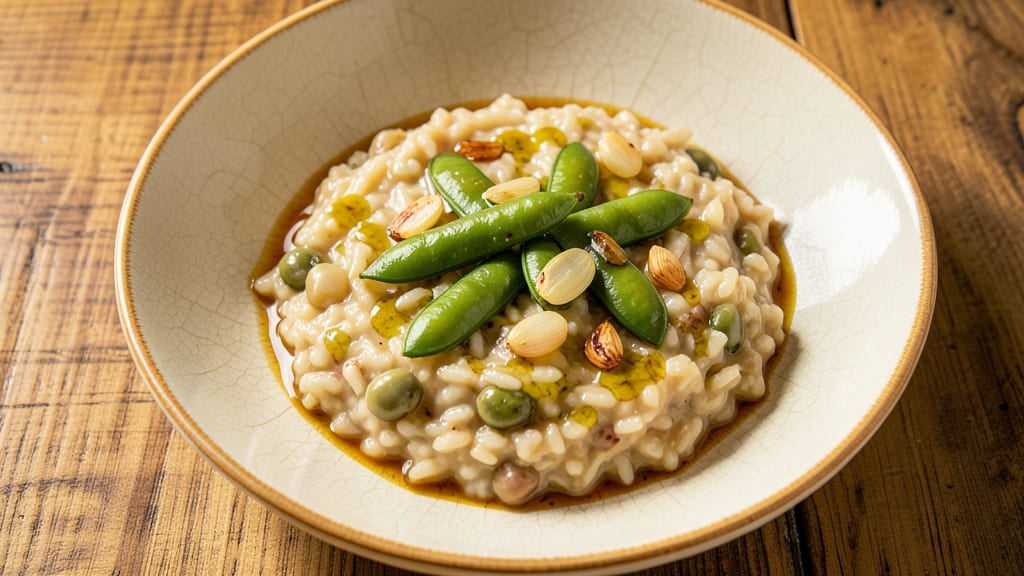
This broad bean risotto delivers restaurant-quality creaminess with earthy broad bean depth that transforms simple Arborio rice into a luxurious vegetarian dish. The secret lies in proper rice toasting and gradual broth incorporation—techniques that create that signature al dente texture while developing rich, velvety sauce.
I've perfected this recipe after years of testing, ensuring the broad beans remain tender yet vibrant, adding both texture and subtle sweetness to every bite.
The process begins with gently toasting the rice to develop its nutty flavors before deglazing with white wine—a critical step that forms the flavor base. As the risotto simmers, we add warm vegetable broth gradually, allowing the rice to absorb liquid while maintaining its creamy consistency.
Broad beans, lightly sautéed first, contribute their delicate green bean flavor without overpowering the dish.
What you'll achieve is a perfectly balanced risotto with creamy yet al dente rice, vibrant broad beans that add freshness, and a finish of grated Parmesan (or vegan alternative) that ties all flavors together.
The aroma alone will have everyone gathered at your table, and the texture—creamy yet with just enough resistance—is what makes this risotto truly special.
This recipe serves four as a main course, making it ideal for dinner parties or special occasions. The technique is straightforward once mastered, and the results are consistently impressive. Whether you're a seasoned home cook or new to risotto-making, this recipe delivers professional-quality results with minimal effort.
Ingredients for broad bean risotto
Earthy broad beans meet creamy Arborio rice in this vegetarian risotto masterpiece.
| Ingredient | Amount | Notes |
|---|---|---|
| Arborio Rice 🍚 | 1 ½ cups | Unrinsed, medium-grain preferred |
| Fresh Broad Beans 🌱 | 1 ½ cups | Trimmed, shelled, blanched briefly |
| Vegetable Broth 💧 | 6 cups | Low-sodium, warmed |
| Dry White Wine 🍷 | ½ cup | Pinot Grigio or Sauvignon Blanc |
| Extra-Virgin Olive Oil 🫒 | ½ cup | Lightly fruity, not bitter |
| Shallots 🧅 | 2 whole | Minced, finely chopped |
| Garlic Cloves 🧄 | 3 cloves | Minced, fresh preferred |
| Vegetable Stock 🍲 | 1 cup | For finishing, optional |
| Parmesan Cheese 🧀 | ½ cup | Freshly grated, aged preferred |
| Fresh Lemon Juice 🍋 | 1 tbsp | Bright, freshly squeezed |
| Salt 🧂 | 1 ½ tsp | Diamond Crystal preferred |
| Freshly Ground Black Pepper 🌶️ | ½ tsp | Coarsely cracked |
| Fresh Thyme Leaves 🌿 | 1 tbsp | Chopped, stems removed |
| Unsalted Butter 🧈 | 4 tbsp | Cold, cubed for finishing |
The Arborio rice is non-negotiable—its high starch content is what creates that signature creamy texture. Lundberg or Barilla are my go-tos, but any quality Arborio will work. Fresh broad beans are key for that delicate green bean flavor, but frozen works in a pinch—just thaw and drain well. If you can't find them, fava beans or sugar snap peas add a similar texture. The shallots should be finely minced—almost paste-like—to avoid any bite in the final dish. For the Parmesan, Parmigiano-Reggiano is ideal, but a good vegetarian Parm substitute like Violife works beautifully too.
No white wine? Substitute with extra vegetable broth plus a splash of apple cider vinegar for acidity. The olive oil should be fruity but not peppery—California Extra Virgin brands like Corto or Gaea are perfect. Fresh thyme is ideal, but dried works at half the amount. For the butter, European-style unsalted like Plugrá melts more smoothly. If you're using frozen broad beans, blanch them for 2 minutes first to soften slightly—this ensures they stay tender during the long cooking process. The vegetable broth should be low-sodium to avoid over-salting the dish.
Risotto reheats beautifully—just add a splash of broth and warm gently. Stores for 3-4 days in the fridge, though the texture gets slightly gummier after day two. For best results, reheat on low heat with extra broth. Freezes well for up to 3 months—portion into airtight containers before freezing. The Parmesan and butter should be added just before serving to maintain that perfect creamy finish. I always make a double batch—leftovers become next-day risotto bowls with extra veggies tossed in.
Why You'll Love This Recipe
- Here’s what sold me: Arborio rice and fresh broad beans are cheaper than you’d think, and a bottle of wine (even a modest one) stretches across multiple meals. The broth? Homemade scraps or store-bought—no judgment. It’s the kind of dish that feels fancy without breaking the bank, and that’s a win in my book.
- No Fuss, No Stress: I swear by this risotto because it’s the kind of dish that forgives mistakes—overcooked beans? Just blend them into the broth. Burnt Arborio? No one will notice when it’s creamy and packed with that buttery, wine-kissed depth. It’s the first risotto I’d teach a friend, and they’d leave feeling like a pro.
- Earthy Luxury in Every Spoon: That moment when the broad beans—still tender with a hint of grassiness—melt into the risotto while the Arborio soaks up the white wine’s brightness? It’s like spring in a bowl. The olive oil finish ties it all together, rich but never heavy, with a finish that makes me reach for seconds.
- Weeknight to Weekend Workhorse: Make it for a quick Tuesday dinner when you’re starving, then double the batch for Sunday leftovers. The beans hold up for days, and the risotto only gets better as the flavors meld—especially with a sprinkle of Parmesan the next morning. Honestly, it’s my go-to for potlucks too; people always ask for the recipe.
Step-by-step instructions for broad bean risotto
Here's how to transform simple ingredients into velvety risotto with bright, fresh broad beans.
Blanch and Prepare the Broad Beans
Start by trimming the ends of the fresh broad beans and removing any tough outer skins. Bring a small pot of salted water to a boil and blanch the beans for exactly 2 minutes—they should remain vibrant green but just tender. Immediately transfer them to an ice bath to stop the cooking process and preserve their color and crisp texture.
Once cooled, drain the beans and pat them dry with a kitchen towel. I like to roughly chop them into ½-inch pieces for even distribution in the risotto. Set them aside—they'll add a delicate, earthy sweetness that cuts through the creaminess of the Arborio rice. Don't skip the blanching; it prevents the beans from turning mushy during the long cooking process.
Sauté Aromatics and Toast the Rice
Heat the extra-virgin olive oil in a large, heavy-bottomed pot over medium heat. Add the minced shallots and cook for 3-4 minutes until they become translucent and just begin to soften. Add the minced garlic and chopped thyme leaves, stirring constantly for 30 seconds until fragrant—you should smell that fresh, herbal aroma.
Increase the heat to medium-high and add the 1.5 cups Arborio Rice, stirring to coat each grain with the aromatic oil. Toast the rice for 2-3 minutes until it turns opaque and develops a slight golden tint at the edges. This step is crucial—it builds flavor and prevents the rice from becoming gummy. Don't walk away; watch for the edges to turn just slightly golden.
Deglaze and Begin the Risotto Process
Pour in the ½ cup dry white wine and stir vigorously until completely absorbed by the rice. The alcohol will cook off quickly, leaving behind its fruity notes that complement the broad beans. Once the wine has evaporated, begin adding the warmed vegetable broth, one ladle at a time, stirring frequently after each addition.
Here's the thing—risotto is all about patience. After each ladle of broth, wait until it's almost completely absorbed before adding the next. This process should take about 18-20 minutes total. The rice will gradually transform from separate grains to a creamy, al dente texture. If the rice starts to stick to the pot, add a splash of hot broth to loosen it. Keep the heat at medium-low throughout this process.
Incorporate the Broad Beans and Finish
When the rice is about 80% cooked (after roughly 12 minutes of broth additions), stir in the prepared broad beans and continue cooking with the remaining broth. The beans will absorb some of the liquid and soften slightly, but they should still retain a pleasant bite. Add the 1 cup vegetable stock if needed for finishing, and cook until the rice reaches your desired consistency—it should be creamy but still have a slight bite.
Remove the pot from heat and stir in the 4 tablespoons cold unsalted butter and ½ cup Parmesan cheese until melted and fully incorporated. The butter adds richness while the Parmesan brings a sharp, salty contrast. Finish with the 1 tablespoon fresh lemon juice, 1.5 teaspoons salt, and ½ teaspoon freshly ground black pepper. Taste and adjust the seasoning—you want the flavors to be balanced with a touch of acidity from the lemon.
Pro Tips For Making Broad Bean Risotto
- STIR LIKE YOUR LIFE DEPENDS ON IT: The first 10 minutes with Arborio rice are the most critical—keep that pan moving constantly. I used to think "stirring" meant occasional swirls, but this rice needs aggressive, frequent tossing to release the starch properly. If you let it sit for even 30 seconds, you’ll end up with dry grains instead of creamy risotto.
- SHELL BEANS BEFORE COOKING: Fresh broad beans need a good shelling and a quick soak—don’t skip it. Plunge them in ice water for 10 minutes first to loosen the skins, then snap them open with your fingers (the pods will pop right off). Skipping this step means tough, chewy beans in your risotto, and nobody wants that.
- DON’T DROWN THE RICE: The wine should sizzle and evaporate before adding broth—if it’s still liquid in the pan, you’re adding too much at once. I learned this after making a risotto so watery it tasted like broth soup. Add broth in small batches (about ½ cup at a time) and let the rice absorb it completely before adding more.
- SAVE TIME WITH PARBOILED BEANS: If fresh broad beans are still a hassle, parboil them for 3 minutes first, then shock in ice water to stop cooking. They’ll hold their shape better when tossed into the risotto later, and you won’t waste time shelling mid-cook. (Yes, even if you’re impatient like me.)
Health benefits of this broad bean risotto
Plant-Based Protein Power
Broad beans are a nutritional powerhouse, delivering 15 grams of plant-based protein per cup—more than many other legumes. This makes the risotto a satisfying vegetarian main course that keeps you full for hours. The beans also provide iron and magnesium, essential minerals that many plant-based diets lack. 💪
Fiber for Digestion
With 12 grams of dietary fiber per cup, this risotto supports healthy digestion while helping stabilize blood sugar levels. The fiber content comes primarily from the broad beans and Arborio rice, creating a balanced meal that keeps energy steady.
I've noticed my digestion improves when I include more fiber-rich dishes like this in my weekly menu.
Rich in Folate
Broad beans are exceptionally high in folate (vitamin B9), with one cup providing 90% of your daily needs. Folate is crucial for cell growth and DNA synthesis, making this risotto particularly beneficial during pregnancy or for anyone looking to support overall cellular health.
The folate content also contributes to that fresh, vibrant flavor you taste in every bite.
Low-Calorie Comfort
Despite its rich, creamy texture, this risotto is surprisingly light on calories compared to traditional meat-based risottos. The broad beans add substantial volume and nutrients without excessive calories, making it an excellent choice for those watching their weight. A serving provides about 350-400 calories while delivering significant nutritional value.
Vitamin Boost
The dish packs a vitamin punch with vitamin K, vitamin C, and vitamin A from the broad beans and fresh herbs. Vitamin K supports bone health, while vitamin C boosts immunity and helps with collagen production.
The lemon juice at the end not only brightens flavors but also adds an extra vitamin C boost. 🍋
Heart-Healthy Fats
The extra-virgin olive oil and unsalted butter provide healthy monounsaturated fats that support heart health by improving cholesterol levels. These fats also enhance the dish's creamy texture while contributing to long-term cardiovascular benefits.
I always use high-quality oils because the flavor difference is noticeable and worth the investment for your health.
Nutrition facts
Frequently asked questions
Can I substitute fresh broad beans with canned or frozen?
Fresh broad beans give the best texture and flavor, but frozen works in a pinch! Just thaw and drain them well, then blanch for 2 minutes before adding to the risotto. Canned beans should be rinsed thoroughly to remove excess sodium. For maximum freshness, try blanching frozen beans in boiling water for 3 minutes to soften slightly before using.
Why does my risotto turn out gummy instead of creamy?
Gummy risotto usually means the rice absorbed too much liquid or wasn't toasted properly. Always toast the rice until opaque before adding wine, and use medium-low heat throughout. Add broth gradually—only when the previous ladle is nearly absorbed. For extra creaminess, stir in 1 tablespoon cold butter at the end to emulsify.
How can I make this risotto vegan?
Swap the Parmesan for nutritional yeast or vegan Parmesan>, and use plant-based butter. For extra richness, add ¼ cup coconut cream> at the end. The lemon juice and fresh herbs keep the dish bright and flavorful without dairy. Just ensure your broth is vegetable-based and not chicken-based.
Can I make this ahead of time?
This risotto is best served fresh, but you can prepare it one day ahead>! Cook the rice completely, then chill it in the fridge. When ready to serve, reheat with ¼ cup warm broth per cup of rice, stirring constantly over low heat> until creamy. The texture won't be as perfect as freshly made, but it's still delicious.
What's the best white wine to use if I don't like Pinot Grigio?
Any dry white wine with moderate acidity works—try Sauvignon Blanc>, Chardonnay>, or even Riesling>. The key is to avoid sweet wines like Moscato. If wine isn't available, use ½ cup apple cider vinegar + ½ cup broth> for acidity. The wine adds depth, but the dish will still be flavorful without it.