
Sauces & Condiments
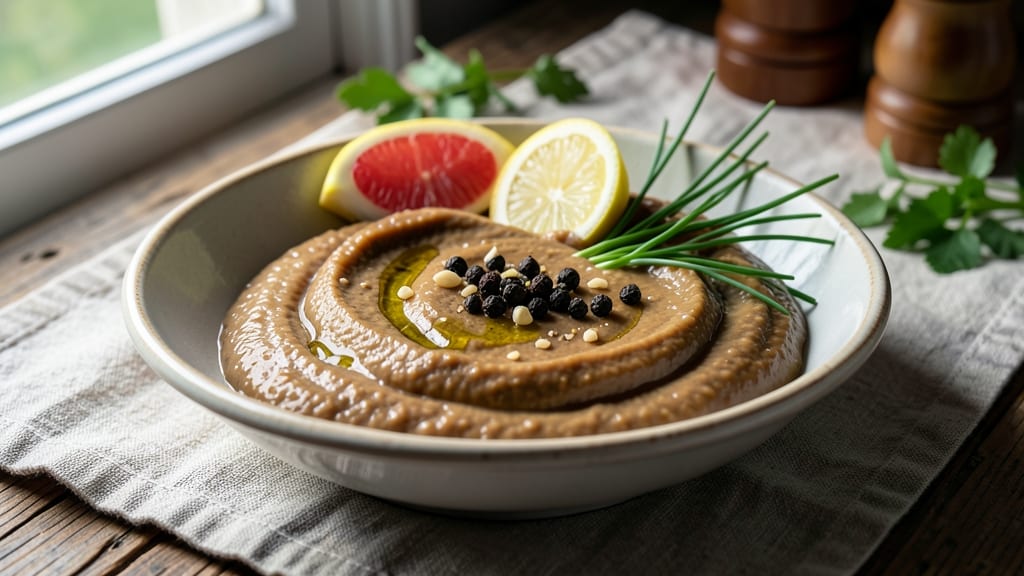
This broad bean puree recipe transforms humble green beans into a velvety, nutty sauce that elevates every dish it touches. The secret lies in blending cooked beans with garlic, olive oil, and lemon until completely smooth—no lumps, just silky perfection.
I developed this after realizing how versatile broad beans could be beyond simple sautéing, and the results are nothing short of transformative.
The puree works as both a condiment and a sauce, offering a rich, earthy depth that pairs beautifully with pasta, roasted vegetables, or even grilled meats.
Unlike other bean-based spreads, this version stays light yet intensely flavorful, thanks to the natural sweetness of broad beans and the bright acidity of lemon. It’s also completely plant-based, making it a standout for vegan diets without sacrificing texture or taste.
What makes this recipe truly special is its adaptability—you can use raw or roasted beans, depending on whether you prefer a mellow or more concentrated flavor. The roasted version adds a subtle smokiness, while raw beans keep the sauce brighter and fresher.
Either way, the result is a versatile puree that transforms ordinary meals into something extraordinary.
Ready in just 20 minutes, this sauce is perfect for meal prep or last-minute dinners. Store it in the fridge for up to 5 days or freeze for longer shelf life.
Whether you drizzle it over grain bowls, use it as a dip, or mix it into soups, this broad bean puree will become a staple in your kitchen.
Ingredients for broad bean puree
Eight simple ingredients for a velvety, plant-based sauce that adds nutty depth to any dish.
| Ingredient | Amount | Notes |
|---|---|---|
| Fresh Broad Beans 🌱 | 1 ½ cups | Raw or roasted, peeled |
| Extra-Virgin Olive Oil 🫒 | ½ cup | High-quality, fruity |
| Garlic Cloves 🧄 | 4 cloves | Peeled, rough chopped |
| Lemon Juice 🍋 | 2 tbsp | Freshly squeezed |
| Salt 🧂 | 1 tsp | Sea salt preferred |
| Black Pepper 🌶️ | ½ tsp | Freshly ground |
| Fresh Thyme Leaves 🌿 | ¼ cup | Chopped, or 1 tsp dried |
| Vegetable Broth 💧 | ½ cup | Low-sodium preferred |
The broad beans are the star—fresh or roasted both work, but roasted adds a smoky depth. Trader Joe's and Whole Foods usually carry them in the produce section, or check specialty markets. If you can't find fresh, canned broad beans (drained and rinsed) are a solid backup. The olive oil should be extra-virgin—anything else tastes flat. I grab mine from California-based brands like Corto or Lucini, but any good-quality EVOO will do. Fresh thyme is ideal, but dried works at one-third the amount if that's what you've got.
No fresh thyme? Dried oregano or basil at half the amount gets you close. Running low on vegetable broth? Water with extra salt works, but the broth adds body. The lemon juice is key—freshly squeezed brightens everything, but bottled works in a pinch. Want more richness? Add 1 tbsp tahini at the end. The garlic can be roasted first for a sweeter flavor (wrap cloves in foil, roast at 400°F for 10 minutes). Don't skip the salt—it balances the earthy bean flavor beautifully.
This puree keeps 5 days in the fridge, sealed tightly. For longer storage, freeze in ice cube trays—just thaw and blend again. The flavor actually improves after a day or two as everything melds. I portion mine into small jars for easy drizzling. If it thickens, just add a splash of water or broth and blend again. Perfect for meal prep—make a big batch and use it all week.
Why You'll Love This Recipe
- No Fuss, Big Payoff: I swear by this recipe because it’s the kind of dish that feels like a hug—just shell the beans, simmer, and blend. No peeling, no chopping, no fuss, and you’re left with something silky and rich that tastes like you spent hours in the kitchen.
- Garlic-Lemon Magic: That bright lemon cut through the earthy beans while the garlic roasts just enough to add a deep, savory punch. Honestly, the balance is what makes it addictive—simple, but you’ll want to drizzle extra olive oil on top just to keep going back for more.
- Weeknight to Fancy: This puree works as a quick dip with crusty bread or as an elegant spread for charcuterie. I’ve even used it as a base for pasta sauces when I’m short on time—same effort, totally different vibe.
- Budget-Friendly Pantry Hero: Fresh broad beans might seem fancy, but they’re often cheaper than other legumes, and a batch stretches for days. Freeze leftovers, and you’ve got a ready-made sauce for when you’re too tired to cook—just thaw, stir, and serve.
Step-by-step instructions for silky broad bean puree
This velvety green puree comes together with simple techniques but delivers restaurant-worthy flavor.
Blanch and Peel the Broad Beans
Bring a small pot of salted water to a boil. Add the 1.5 cups fresh broad beans and cook for 3-4 minutes until the skins begin to loosen. Immediately drain and transfer to an ice bath to stop cooking. The beans are ready when you can easily slip the skins off with your fingers or a small knife.
Here's the thing—broad beans have a natural nutty flavor that shines when properly blanched. If you're using pre-peeled beans, skip this step. I like to peel mine by hand because it gives me control, but a paring knife works too. Just be gentle—you want to keep as much of the tender flesh intact as possible for that silky texture we're after.
Sauté Garlic in Olive Oil
Heat the 0.5 cup extra-virgin olive oil in a large skillet over medium-low heat. Add the 4 peeled garlic cloves and cook for 2-3 minutes until they're golden and fragrant, but not browned. Watch closely—garlic burns quickly and turns bitter.
This step builds the flavor foundation. The olive oil should shimmer but not smoke. I like to use a high-quality, fruity olive oil here because its flavor will carry through to the final puree. If you smell any acrid notes, your heat is too high—reduce it immediately.
Cook the Beans Until Tender
Add the peeled broad beans to the skillet with the garlic and olive oil. Cook for 5-7 minutes over medium heat, stirring occasionally, until the beans are fork-tender but not mushy. You're aiming for a texture where they yield slightly when pressed but still have some bite.
Don't rush this step. The beans should be soft enough to break down easily when blended but still hold their shape slightly. If they start to brown, add 1-2 tablespoons of water to keep them moist. The goal is tender beans that will blend into a velvety puree without turning pasty.
Blend with Broth and Seasonings
Transfer the bean mixture to a blender or food processor. Add the 0.5 cup vegetable broth, 2 tablespoons lemon juice, 0.25 cup chopped fresh thyme leaves, 1 teaspoon salt, and 0.5 teaspoon black pepper. Blend until completely smooth, scraping down the sides as needed.
This is where the magic happens. The broth helps create that velouté texture while the lemon juice brightens the earthy bean flavor. I like to blend in stages—first on low to break everything up, then on high for 30-45 seconds until perfectly smooth. If it's too thick, add more broth 1 tablespoon at a time until you reach your desired consistency.
Adjust and Serve Warm
Taste the puree and adjust seasoning if needed. Add more salt, pepper, or lemon juice as needed. The puree should be perfectly balanced—savory from the beans and garlic, bright from the lemon, and aromatic from the thyme.
For best results, serve the puree warm. It pairs beautifully with grilled meats, crusty bread, or as a base for dips. The texture should be silky and smooth, with just enough body to coat the back of a spoon. If you're not serving immediately, store it in an airtight container in the refrigerator for up to 3 days. Reheat gently before serving to maintain that velvety texture.
Pro Tips For Making Broad Bean Puree
- Blanch Beans First: Toss whole broad beans into boiling salted water for exactly 3 minutes before shelling—this softens them just enough to make peeling the skins a breeze. I used to fight with stubborn pods, but this step cuts the prep time in half and keeps your hands from turning into a pulp.
- Crush Garlic with Oil: Mince your garlic cloves while they’re still in the olive oil after cooking the beans—this prevents them from burning and lets their flavor meld directly into the puree. I learned this the hard way when my garlic turned bitter; now I just smash it in the oil with a spoon.
- Strain, Don’t Blend: After cooking, drain the beans and press them through a fine-mesh sieve with a spoon—no blender needed. This keeps the texture silky and removes any lingering skins or grit. Yes, it’s more work, but your puree will look and taste like it came from a restaurant.
- Finish with Cold Lemon: Stir in the lemon juice after the puree has cooled slightly—this brightens the flavor without making it taste raw. I used to add it hot, and the acidity would fight the olive oil; now I wait until it’s just warm, and the balance is perfect.
Wine and beer pairings for this dish
White Wine Pairings
For a bright, crisp match, reach for an Italian Vermentino—its citrus notes mirror the lemon in your puree while its mineral finish complements the broad beans' earthiness. I love Vermentino di Sardegna for its refreshing acidity that cuts through the sauce's richness.
If you prefer something lighter, a dry Riesling from Germany or Alsace brings floral notes that harmonize beautifully with the thyme. 🍷
Crisp Beer Options
A Belgian witbier like Stella Artois or Hoegaarden works wonders—their coriander and citrus flavors echo the lemon and thyme in the puree. For a hoppier option, try a German Pilsner like Warsteiner or Spaten, which cleanses the palate between bites.
Avoid heavy stouts or dark ales that would overpower the delicate bean flavor.
Red Wine Surprises
Don’t dismiss reds entirely! A light-bodied Pinot Noir from Oregon or Burgundy pairs surprisingly well—its red fruit notes contrast the green beans while its acidity balances the olive oil's richness.
I’ve had great luck with Domaine Serene Pinot Noir for its bright, food-friendly profile. Serve it slightly chilled (55°F) to enhance its freshness.
Sparkling Contrasts
For a celebratory touch, serve Prosecco or Cava—their bubbles and citrusy acidity refresh the palate after each bite. A dry sparkling wine like La Marca Prosecco or Freixenet Cordon Negro keeps the focus on the puree’s natural flavors.
The effervescence also helps cut through any richness from roasted bean versions. 🥂
Non-Alcoholic Choices
Don’t drink? No problem! A sparkling water with a squeeze of lemon mimics the wine’s acidity, while a ginger beer like Feather adds a subtle spice that complements the thyme. For something richer, try a coconut water—its natural sweetness balances the puree’s earthy depth without overpowering it.
Nutrition facts
Frequently asked questions
Can I use canned broad beans instead of fresh?
Yes, canned broad beans work perfectly! Just drain and rinse them thoroughly to remove excess sodium. For the best texture, simmer them in a small pot with 1 tablespoon olive oil and 1/2 cup water for 5 minutes before blending to soften them further. The flavor will be slightly milder than fresh but still delicious.
How do I adjust the consistency if it's too thick?
Start by adding 1 tablespoon vegetable broth at a time while blending, until you reach a smooth, pourable consistency. For an even silkier texture, strain the puree through a fine-mesh sieve after blending. If you prefer it thicker (like hummus), reduce the broth to 1/4 cup and blend with 1 tablespoon tahini for extra creaminess.
What are the best ways to use this puree beyond drizzling?
This versatile puree works as a creamy pasta sauce, sandwich spread, or dip for roasted veggies. Mix it into soups for depth, use it as a base for vegan pesto, or spread it on toast with smoked salmon. For extra richness, stir in 1 tablespoon nutritional yeast or 1/2 teaspoon smoked paprika before serving.
Why does my puree taste bitter?
Overcooked beans or burnt garlic are the most common culprits. To fix it, add 1 extra tablespoon lemon juice and 1/2 teaspoon honey or maple syrup to balance the bitterness. For next time, cook beans at medium heat and remove garlic from the pan as soon as it's golden (not brown). Fresh thyme also helps mask bitterness—don't skip it!
Can I make this ahead and freeze it?
Let the puree cool completely, then portion it into ice cube trays or small jars. Freeze for up to 3 months. To use, thaw in the fridge overnight and blend again briefly to restore smoothness. For best flavor, reheat gently in a saucepan over low heat (don't boil) or microwave in 30-second bursts while stirring.