
Sauces & Condiments
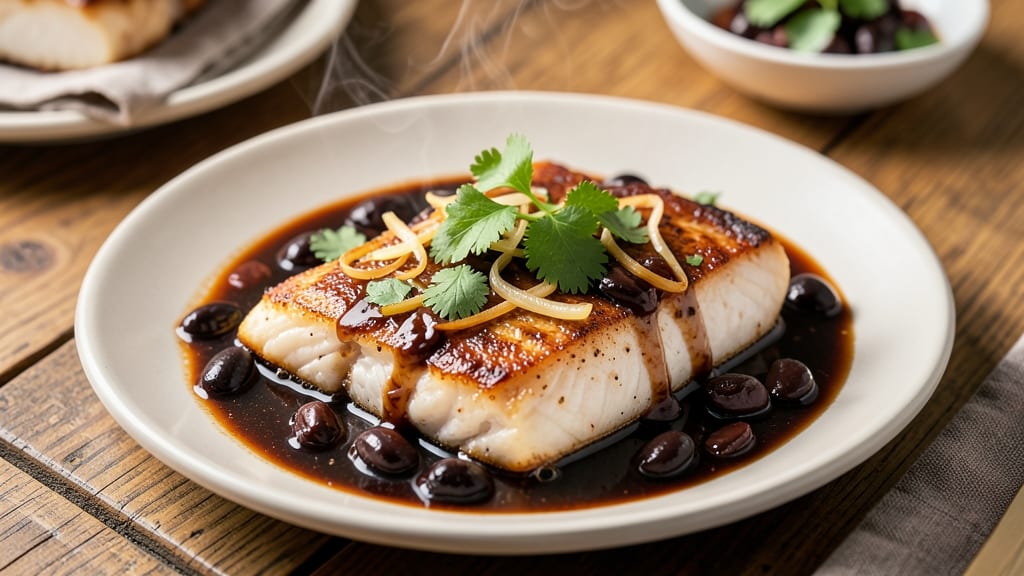
This braised fish with black bean sauce delivers restaurant-quality depth in a single pot, where tender fish melts into a rich, earthy sauce that balances sweet, tangy, and umami notes.
The secret lies in slow-cooking the fish with black beans, aromatics, and a touch of soy—transforming simple ingredients into a dish that feels both comforting and sophisticated.
What makes this recipe stand out is how the sauce develops layers of flavor as it simmers, creating a velvety texture that coats every bite.
The process is straightforward yet rewarding: fish is gently poached in the sauce, absorbing its flavors without falling apart, while the black beans add heartiness and natural sweetness. This method ensures the fish stays moist and tender, never dry or overcooked.
The result is a harmonious dish where each component—fish, beans, and sauce—works together seamlessly, making it perfect for both weeknight dinners and special occasions.
Pair this dish with steamed jasmine rice to soak up every last drop of that luscious sauce, or serve it over a bed of greens for a lighter option.
The aroma alone will draw everyone to the table, and the first bite delivers on the promise of a deeply flavorful, satisfying meal. Ready in about 30 minutes, this recipe proves that elegant dining doesn’t require complicated techniques—just patience and the right balance of ingredients.
For extra depth, toast the aromatics until fragrant before adding them to the pot, and don’t rush the braising—this is where the magic happens. The sauce will thicken just enough to coat the fish and beans, creating a dish that’s both comforting and refined.
Whether you’re cooking for two or a crowd, this braised fish with black bean sauce is a game-changer for anyone looking to elevate their weeknight meals.
Ingredients for braised fish with black bean sauce
Simple yet sophisticated ingredients that transform into a velvety, umami-rich dish.
| Ingredient | Amount | Notes |
|---|---|---|
| White Fish Fillets 🐟 | 1 ½ lb | Firm white fish like cod or halibut |
| Black Beans 🫘 | 1 cup | Drained and rinsed, canned or cooked |
| Fish Sauce 🍶 | 2 tbsp | Red Boat preferred for quality |
| Light Soy Sauce 🥫 | 1 tbsp | For umami balance |
| Garlic Cloves 🧄 | 4 cloves | Minced for aromatic depth |
| Shallots 🧅 | 2 whole | Thinly sliced, or sub with onion |
| Ginger 🌿 | 1 tbsp | Freshly grated, peeled |
| Vegetable Oil 🫒 | 2 tbsp | High smoke point preferred |
| Tomato Paste 🍅 | 1 tbsp | Squeeze tube works perfectly |
| Honey 🍯 | 1 tbsp | For subtle sweetness |
| Dry Sherry 🍷 | ½ cup | Or sub with white wine |
| Fish Stock 🥄 | 1 cup | Homemade or quality store-bought |
| Green Onions 🧅 | 2 whole | Sliced for garnish |
| Salt 🧂 | 1 tsp | Kosher or sea salt |
| Black Pepper 🌶️ | ½ tsp | Freshly ground preferred |
The fish is the star here, so pick a firm white variety like cod or halibut—it holds up beautifully to the long braising. Whole Foods or local seafood markets often carry the best quality, but don't overlook the frozen section at Trader Joe's for budget-friendly options. Look for fillets with a clean, ocean-like scent and vibrant color—anything fishy or dull means it's past its prime. The black beans should be plump and firm, not mushy or discolored, whether you're using canned or dried. For the fish sauce, Red Boat is the gold standard, but any reputable brand will work—just avoid the cheap, overly salty versions.
No fish sauce? Soy sauce plus a splash of oyster sauce gets you close, though it won't have the same depth. Swap shallots for yellow onion at double the amount if needed, but don't skip the garlic—it's non-negotiable for that aromatic punch. The tomato paste can be replaced with 1 tbsp of crushed tomatoes, though it won't thicken the sauce as effectively. For the sherry, dry white wine works in a pinch, but the alcohol burns off during cooking. If you're avoiding alcohol entirely, extra fish stock plus a pinch of sugar mimics the balance. The ginger should be freshly grated—pre-minced jars lack the zing, and that's where the magic happens.
This dish tastes even better the next day as the flavors meld, so make extra if you can. Store leftovers in an airtight container in the fridge for up to 3 days, or freeze for 2 months. The sauce thickens as it cools, so add a splash of fish stock when reheating. For serving, I always garnish with extra green onions and a drizzle of chili oil—trust me, it elevates everything. The rice should be cooked just before serving to keep it light, so it soaks up that luscious sauce without getting soggy.
Why You'll Love This Recipe
- One-Pan Magic: Honestly, I swear by this recipe when I’m too tired to wash dishes. The fish simmers right in the same pot as the black beans and garlic—no extra pans, no fuss, just 20 minutes of hands-off cooking while I pretend I’m not burning dinner.
- Umami Bomb: That fish sauce and soy sauce combo? It’s a flavor explosion in your mouth. The black beans add this deep, earthy richness, while the garlic sears into something almost caramelized—every bite has layers, like a tiny, delicious surprise.
- Lunchbox Hero: Between us, this is my go-to for meal prep. The sauce thickens just enough to cling to the fish, so it reheats beautifully. Pack it cold in a container, and by lunchtime, it’s still got that braised, saucy goodness—no soggy fish here.
- Budget Win: White fish fillets are affordable, and black beans stretch the meal further than you’d think. I’ll be real: I’ve made this for date nights, family dinners, and even a last-minute office potluck—always a hit, always cheap. Plus, leftovers taste just as good the next day.
Step-by-step instructions for braised fish with black bean sauce
This one-pot method delivers tender fish and rich, velvety sauce every time—just follow these precise steps.
Sear the Fish Fillets for Depth of Flavor
Heat the 2 tablespoons vegetable oil in a large, deep skillet over medium-high heat until shimmering. Pat the 1.5 lb white fish fillets completely dry with paper towels—this ensures a perfect sear. Working in batches if needed, place the fillets skin-side down in the pan and cook undisturbed for 2-3 minutes until the edges turn golden brown and the fish releases easily from the pan.
Flip the fillets and cook for another 1-2 minutes until the other side is lightly seared. Remove them to a plate and set aside. The seared skin adds texture and prevents the fish from breaking apart during braising. Keep the pan on the heat—you'll use it for the sauce.
Build the Aromatic Base
In the same skillet, add the 2 whole shallots and 4 cloves garlic cloves, spreading them evenly. Cook for 2-3 minutes until the shallots soften and turn translucent at the edges. Add the 1 tablespoon grated ginger and cook for another 30 seconds until fragrant.
Stir in the 1 tablespoon tomato paste and cook for 1 minute, allowing it to darken slightly. This step develops the sauce's depth—don't rush it. Pour in the 0.5 cup dry sherry and scrape up any browned bits from the bottom of the pan. Let it simmer for 2 minutes until the liquid reduces by half.
Simmer the Black Bean Sauce
Add the 1 cup black beans, 2 tablespoons fish sauce, 1 tablespoon light soy sauce, 1 tablespoon honey, 1 cup fish stock, 1 teaspoon salt, and 0.5 teaspoon black pepper to the skillet. Stir well to combine, then bring the mixture to a gentle simmer over medium-low heat. Partially cover the pan and let it cook for 10-12 minutes until the sauce thickens slightly and the beans are heated through.
Here's the thing—you want the sauce to coat the back of a spoon but still remain silky, not gluey. If it thickens too quickly, add 1-2 tablespoons water to balance the consistency. The sauce should smell rich and complex, with layers of umami from the fish sauce and sweetness from the honey.
Braise the Fish to Perfection
Return the seared fish fillets to the skillet, spooning the sauce over them. Reduce the heat to low and gently simmer for 8-10 minutes until the fish is opaque throughout and flakes easily with a fork. Be careful not to overcook—fish continues cooking as it rests.
You'll know it's done when the fish separates cleanly at the thickest part and the sauce has melded into a cohesive, velvety consistency. The fish should be tender but still hold its shape slightly, not falling apart. Remove the pan from heat and let it rest for 2 minutes before serving.
Finish and Serve
Garnish the braised fish with 2 whole sliced green onions for freshness and color. Serve immediately in shallow bowls, ensuring each portion gets a generous ladle of the black bean sauce. The contrast between the silky fish and earthy, slightly sweet sauce is what makes this dish special.
For the best experience, pair with steamed jasmine rice or crusty bread to soak up every last bit of that luxurious sauce. The dish holds well for 1-2 hours at room temperature, but the fish is best enjoyed fresh while still warm.
Pro Tips For Making Braised Fish With Black Bean Sauce
- SEAR THE FISH FIRST: Hit the pan with high heat—no wimpy medium—until the fish develops a golden crust before adding the black bean sauce. I used to skip this step, thinking it would overcook, but that crust locks in flavor and keeps the fish from turning rubbery when braising. Two minutes max, then flip once.
- SOAK BEANS 30 MINUTES: Drain and rinse those black beans before cooking, then soak in warm water for at least 30 minutes. I learned this the hard way when my sauce turned gritty and thickened unevenly. Warm water speeds up hydration, and skipping the soak means your sauce will fight you the whole time.
- DON’T BOIL THE GARLIC: Sauté the minced garlic in oil until it’s just fragrant—about 30 seconds—before adding the fish sauce. After burning three batches, I finally realized garlic burns faster than you think, and once it’s bitter, no amount of soy sauce fixes it. Keep the heat moderate and watch it like a hawk.
- SAVE THE FISH SAUCE: Reserve a teaspoon of the fish sauce for the end, after the fish has cooked. Stir it in just before serving—this brightens the dish without overpowering the delicate fish flavor. I was skeptical until I tried it; the sauce tastes fresher, and the fish doesn’t taste like it’s swimming in a pool of umami.
Regional styles of this dish
Thai-Inspired Version
In Thailand, this dish often incorporates lemongrass and kaffir lime leaves for an aromatic twist. Start by adding 1 stalk of lemongrass (bruised) and 2 kaffir lime leaves when building the aromatic base.
Use 1 tablespoon of fish sauce and 1 tablespoon of coconut aminos instead of soy sauce for a lighter, tropical flavor. Finish with 1 teaspoon of palm sugar or coconut sugar for a delicate sweetness that complements the Thai herbs. 🌿
Japanese Miso Adaptation
For a Japanese-inspired take, swap the black beans for ½ cup of edamame and replace the fish sauce with 1 tablespoon of white miso paste. Add 1 teaspoon of mirin to the sauce for brightness, and finish with a sprinkle of toasted sesame seeds and thinly sliced scallions.
The miso adds a deep, savory umami that pairs beautifully with the tender fish. 🍶
Peruvian Ceviche-Inspired Twist
Bring a Peruvian flair by adding ½ cup of diced red onion and 1 jalapeño (seeds removed, minced) to the sauce. Use 1 tablespoon of lime juice instead of sherry and 1 tablespoon of ají amarillo paste for a spicy, tangy kick.
Serve the braised fish over a bed of chopped cilantro and lettuce for a lighter presentation. The citrusy, spicy notes contrast wonderfully with the rich black bean sauce. 🌶️
Southern U.S. Black Bean Skillet
For a Southern-inspired version, add 1 diced bell pepper and 1 cup of diced tomatoes to the sauce. Replace the sherry with ½ cup of chicken stock and add 1 teaspoon of smoked paprika for depth.
Top with crumbled feta cheese and chopped parsley before serving. This hearty adaptation works well as a skillet meal, perfect for feeding a crowd. 🔥
Vegetarian Adaptation with Tofu
Swap the fish for 1 block of extra-firm tofu (pressed and cubed) and use 1 tablespoon of soy sauce plus 1 teaspoon of nutritional yeast to mimic the umami. The black bean sauce remains the same, but add ½ cup of diced bell peppers for texture.
This version is just as satisfying and pairs well with the same sides. 🌱
Spicy Sichuan Fusion
For a Sichuan-inspired dish, add 1 tablespoon of Sichuan peppercorns (toasted and crushed) and 1 teaspoon of chili crisp to the sauce. Use 1 tablespoon of black vinegar for tanginess and finish with thinly sliced green onions.
The numbing heat from the Sichuan peppercorns elevates the dish to a whole new level of boldness. 🌶️✨
Nutrition facts
Frequently asked questions
Can I use any type of white fish for this recipe?
Firm white fish like cod, halibut, or snapper work best—they hold up well during braising. Avoid delicate fish like tilapia or flounder, as they may fall apart. If using salmon, reduce braising time to 6-8 minutes to prevent overcooking.
What if I don't have fish sauce?
Substitute with 1 tablespoon soy sauce plus ½ teaspoon oyster sauce for umami depth. For a vegetarian version, use 1 tablespoon coconut aminos plus ½ teaspoon miso paste. The flavor won't be identical, but it'll still taste delicious.
How do I adjust the sauce thickness?
If the sauce is too thin, simmer uncovered for 2-3 extra minutes to reduce. For a thicker consistency, mash ½ the black beans with a fork to release starch. Never use cornstarch—it can make the sauce taste artificial.
Can I make this dish ahead of time?
Yes! This recipe tastes even better the next day as flavors meld. Store in an airtight container in the fridge for up to 3 days. Reheat gently on low heat, adding 1-2 tablespoons water if the sauce thickens too much.
What's the best way to reheat leftovers?
Use low heat in a skillet with a splash of fish stock to prevent drying. Cover with a lid and warm for 5-7 minutes, stirring occasionally. Microwaving works too—just heat for 1-2 minutes and stir halfway.