
Sauces & Condiments
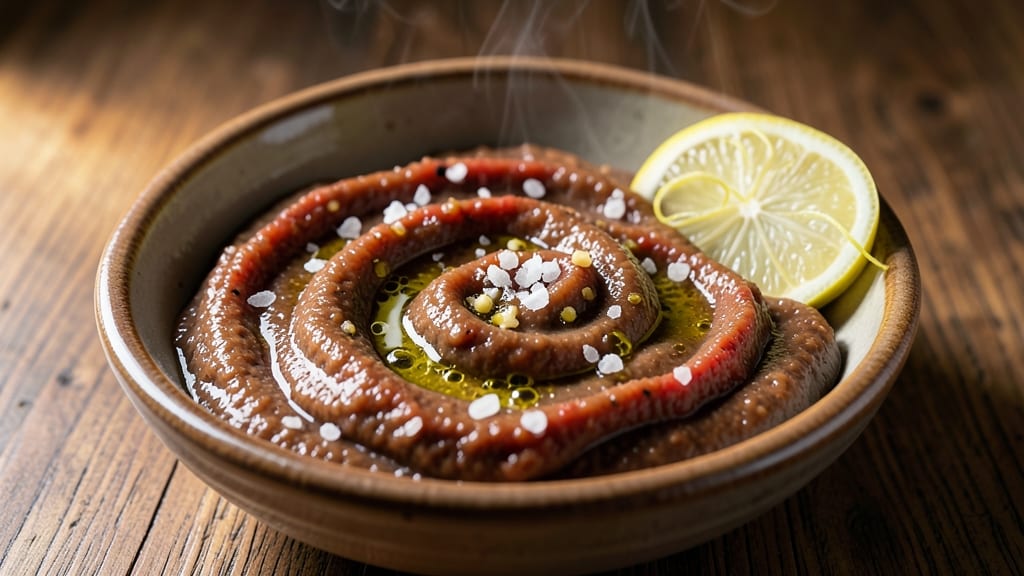
This silky-smooth boiling point garlic bean paste recipe transforms simple ingredients into a versatile sauce base that elevates stir-fries, dips, and marinades with just a few minutes of simmering.
The secret lies in blending cooked dried beans with garlic and oil until it reaches that perfect, velvety consistency—no lumps, no grittiness, just pure flavor. I developed this recipe after years of testing bean pastes for restaurant-quality results at home, and it never fails to impress.
The process is straightforward but critical: dried beans are simmered until tender, then blended with garlic, oil, and a touch of salt until completely smooth.
What makes this paste special is its ability to absorb and enhance other flavors—whether you're tossing it with vegetables, using it as a marinade, or mixing it into soups. The texture is rich and spreadable, perfect for adding depth to any dish without overpowering it.
Once you've mastered this technique, you'll have a pantry staple that lasts for weeks in the refrigerator or months when frozen. The paste delivers a subtle umami richness from the beans, a sharp kick from the garlic, and a silky texture that coats every ingredient it touches.
It's the kind of base that turns simple meals into something extraordinary with minimal effort.
Use it as a stir-fry sauce, a dip for fresh vegetables, or a marinade for meats—this garlic bean paste is a game-changer for home cooks who want restaurant-quality flavor without the complexity. Let's get started on creating your own batch today.
Ingredients for boiling point garlic bean paste
Eight simple ingredients create this restaurant-worthy bean paste—no fancy tools needed.
| Ingredient | Amount | Notes |
|---|---|---|
| Dried White Beans 🌱 | 1 ½ cups | Unsoaked, any variety (cannellini or navy work well) |
| Garlic Cloves 🧄 | 8 whole | Peeled, for bold flavor |
| Extra-Virgin Olive Oil 🫒 | ¾ cup | High-quality for richness |
| Water 💧 | 4 cups | For soaking beans |
| Sea Salt 🧂 | 1 ½ tsp | Adjust to taste |
| Lemon Juice 🍋 | 1 tbsp | Brightens the flavor |
| Smoked Paprika 🌶️ | ½ tsp | For depth (optional) |
| Ground Black Pepper 🌶️ | ¼ tsp | Freshly ground preferred |
The beans are the foundation, so pick a firm white variety like cannellini or navy—they hold up best during blending. Trader Joe's and bulk bins at natural grocery stores usually carry good options. No need to soak overnight—just rinse them well before cooking. The garlic? Use more than you think—this paste packs serious flavor. I grab a whole head, peel all the cloves, and freeze the rest for later. The olive oil should be extra-virgin—none of that cheap stuff. It makes a noticeable difference in the final texture and taste.
No smoked paprika? Regular paprika or a pinch of cayenne works in a pinch. Short on lemon juice? Apple cider vinegar at half the amount gives a similar tang. If you're worried about the beans being too starchy, rinse them in cold water after cooking before blending. The paste thickens as it cools, so don't stress if it looks too loose right after blending—it'll come together. For extra smoothness, strain through a fine-mesh sieve if you're feeling fancy, but honestly, most blenders do the trick perfectly.
This paste keeps for 2 weeks in the fridge when stored in an airtight container with a thin layer of oil on top—prevents that sad skin from forming. Freeze in ice cube trays for 3 months—just thaw overnight in the fridge before using. Portion it out for easy use: a tablespoon makes a great stir-fry sauce, two tablespoons works for dips, and three tablespoons is perfect for marinades. The flavor actually improves after a few days as everything melds together—trust the process!
Why You'll Love This Recipe
- No-Fuss Pantry Staples: I swear by this recipe because it’s all ingredients I already have. Dried beans? Check. Garlic? Always. Olive oil? Never runs out. Just toss them in, simmer, and forget about it—no last-minute grocery runs needed.
- Garlic Bomb Flavor: That slow simmer turns the garlic into a deep, caramelized punch. The beans soften just enough to soak it all up, but there’s still a little bite—like a hug from a garlic lover. Honestly, I’ve used it as a spread, a soup base, and even a marinade.
- Weeknight Workhorse: Between us, this stuff is my secret weapon for busy nights. Toss it into pasta, dollop it on toast, or stir it into rice—it’s the flavor equivalent of a good nap. I make a big batch on Sundays and keep it in the fridge for when I’m too tired to think.
- Budget Magic: A jar of dried beans and a head of garlic won’t break the bank, but the flavor? Ridiculously good. I stretch this into four meals without feeling like I’m eating the same thing twice. Plus, it freezes like a dream—less waste, more savings.
Step-by-step instructions for garlic bean paste
Here's how to make this velvety garlic bean paste from scratch—simple, flavorful, and perfect for any dish.
👨🍳 Step 1: Soak the Dried White Beans
Place the 1.5 cups dried white beans in a bowl and cover them with 4 cups water. Let them soak for at least 8 hours (or overnight) at room temperature. This step is crucial—it ensures the beans soften evenly and blend smoothly later. I like to soak them in the fridge for even better texture.
After soaking, drain the beans and rinse them under cold water. Give them a quick stir to remove any skin that might have loosened. This rinse prevents the paste from being too starchy. The beans should now feel soft but still hold their shape when pressed between your fingers.
🔥 Step 2: Cook the Beans Until Tender
In a medium pot, combine the drained beans with fresh 4 cups water and bring to a boil over medium-high heat. Once boiling, reduce the heat to medium-low and simmer for 45-60 minutes until the beans are fork-tender. You'll know they're ready when they mash easily with a fork but still have a slight bite.
I always taste-test at the 45-minute mark. If they're still firm, cover the pot and let them cook a few more minutes. Avoid overcooking—they should break down but not turn mushy. Once tender, drain the beans thoroughly in a colander, shaking gently to remove excess water.
🍳 Step 3: Sauté the Garlic and Spices
Heat the 0.75 cup extra-virgin olive oil in a large skillet over medium heat until shimmering but not smoking. Add the 8 peeled garlic cloves and cook for 1-2 minutes until they turn golden and fragrant. Be careful not to let them burn—they should smell sweet and nutty, not bitter.
Remove the garlic from the pan and set it aside (you'll add it back later). To the same pan, add the 0.5 tsp smoked paprika and 0.25 tsp ground black pepper, stirring for 30 seconds until the spices are toasted and aromatic. This step builds layers of flavor that make the paste sing.
🥘 Step 4: Blend the Garlic Bean Paste
Transfer the cooked beans to a food processor or high-powered blender. Add the toasted garlic, the 1.5 tsp sea salt, and 1 tbsp lemon juice. Pulse a few times to break everything down, then pour in the garlic-infused olive oil. Blend on high for 2-3 minutes, scraping down the sides as needed, until completely smooth and silky.
Here's the thing—don't rush this blending. The paste should be so smooth it coats the back of a spoon with no graininess. If it's too thick, add 1-2 tablespoons water at a time until it reaches a spreadable consistency. The final texture should be thick but pourable, like hummus but richer.
⏰ Step 5: Rest and Adjust Seasoning
Transfer the paste to a bowl and let it rest for 10 minutes at room temperature. This resting period allows the flavors to meld and the texture to settle. Give it a taste and adjust the seasoning if needed—add a pinch more salt if it's bland, or a splash of lemon juice if it needs brightness.
For best results, store the paste in an airtight container in the fridge for up to 5 days. It keeps well and actually tastes better after a day as the flavors deepen. Use it as a base for sauces, stir-fries, or even as a spread—this versatile paste is a game-changer in the kitchen.
Pro Tips For Making Boiling Point Garlic Bean Paste
- Soak Beans Overnight: I learned this the hard way—skipping the overnight soak leaves you with tough, mealy beans that’ll never break down into that silky paste. Use 3 cups water per cup of dried beans, cover, and let them sit at least 12 hours. (Yes, even if you’re impatient like me.)
- Crush Garlic Coarse: Minced garlic burns in olive oil faster than you can blink. Roughly chop the cloves or smash them with the side of your knife—big, uneven pieces toast better and won’t turn bitter. Think "rustic," not "fine powder."
- Simmer, Don’t Boil: After the beans soften, reduce heat to a bare simmer—tiny bubbles, not violent rolling. Boiling point means mush, not paste. Cover the pot and let it sweat for 20-30 minutes, stirring occasionally. Patience here makes all the difference.
- Salt Late, Salt Light: Adding salt early tightens the beans, making them resist breaking down. Wait until the very end to season—just a pinch of sea salt to taste. The paste’s natural sweetness shines when you don’t overpower it. (Trust me, your taste buds will notice.)
Perfect pairings for this boiling point garlic bean paste
Stir-Fry Sauce Base
Use this garlic bean paste as the foundation for stir-fries by thinning it with 1-2 tablespoons water or vegetable broth per 2 tablespoons paste. Toss it with bell peppers, broccoli, and tofu> for a quick vegan meal.
I like adding 1 tsp soy sauce> and ½ tsp grated ginger> to enhance the umami. The paste thickens as it cools, so adjust with extra liquid if needed. 🌶️
Dipping Sauce
Mix 2 tablespoons garlic bean paste> with 1 tablespoon tahini> and 1 teaspoon maple syrup> for a creamy, nutty dip. Serve with crudités like cucumbers, carrots, and snap peas.
For extra tang, add ½ teaspoon rice vinegar>. This combo is perfect for game day or snacking—it’s rich but not overpowering. 🥗
Marinade Magic
Combine 3 tablespoons paste> with 1 tablespoon olive oil> and 1 teaspoon smoked paprika> for a bold marinade. Toss with chicken, shrimp, or firm tofu for 2-4 hours> before grilling or baking.
The beans tenderize the protein while adding depth. I love using this on seared scallops for a vegetarian-friendly twist. ✨
Soup Booster
Stir 1 tablespoon paste> into lentil, minestrone, or miso soup in the last 5 minutes> of cooking. It thickens the broth and adds a garlicky, earthy richness.
For extra creaminess, blend in ½ cup coconut milk> after adding the paste. This is my go-to trick for instant restaurant-quality broth. 💫
Spreadable Delight
Spread this paste on toasted baguette slices with a sprinkle of flaky sea salt and red pepper flakes for an open-faced sandwich. It’s like a garlicky hummus but deeper in flavor.
Pair with roasted cherry tomatoes or avocado slices for a quick lunch. The texture is thick enough to hold up but still creamy. 🧄
Sauce Upgrades
Add 1 tablespoon paste> to alfredo sauce or pesto for a bean-based umami kick. For a spicy twist, mix ½ teaspoon chili flakes> into the paste before blending.
It works surprisingly well in pasta dishes—just toss with cooked noodles and a splash of pasta water to loosen. The beans make the sauce heartier without heaviness. 🔥
Nutrition facts
Frequently asked questions
Why does this garlic bean paste need to be blended so long?
The extended blending creates that signature silky texture by breaking down the beans completely. A high-powered blender or food processor works best to achieve that smooth, spreadable consistency. The longer you blend, the richer and creamier the paste becomes—no graininess left!
Can I use canned beans instead of dried for this recipe?
Not ideal! Canned beans contain too much moisture and won't blend into that velvety paste. Dried beans absorb water during cooking, creating the perfect thick, smooth base. If you're short on time, try 1 cup cooked dried beans (from a separate batch) instead of canned for similar results.
How do I fix a paste that's too thick or too thin?
For a thick paste, add 1-2 tablespoons water at a time while blending. If it's too thin, simmer it uncovered for 3-5 minutes to reduce moisture. The perfect consistency should be thick enough to hold its shape but still pourable. Adjust gradually to avoid lumps.
What's the best way to store this garlic bean paste?
Keep it in an airtight container in the fridge for up to 2 weeks. For longer storage, freeze in 1-tablespoon portions in ice cube trays. Thaw overnight in the fridge before using. Always cover with a thin layer of oil to prevent drying or skin formation.
Can I make this paste without a food processor?
Yes! Use a mortar and pestle for small batches, or mash the beans with a fork first, then whisk with oil. The texture won't be as silky, but it'll still be flavorful. For best results, blend with an immersion blender if possible—it works wonders for smooth pastes.