
Beverages
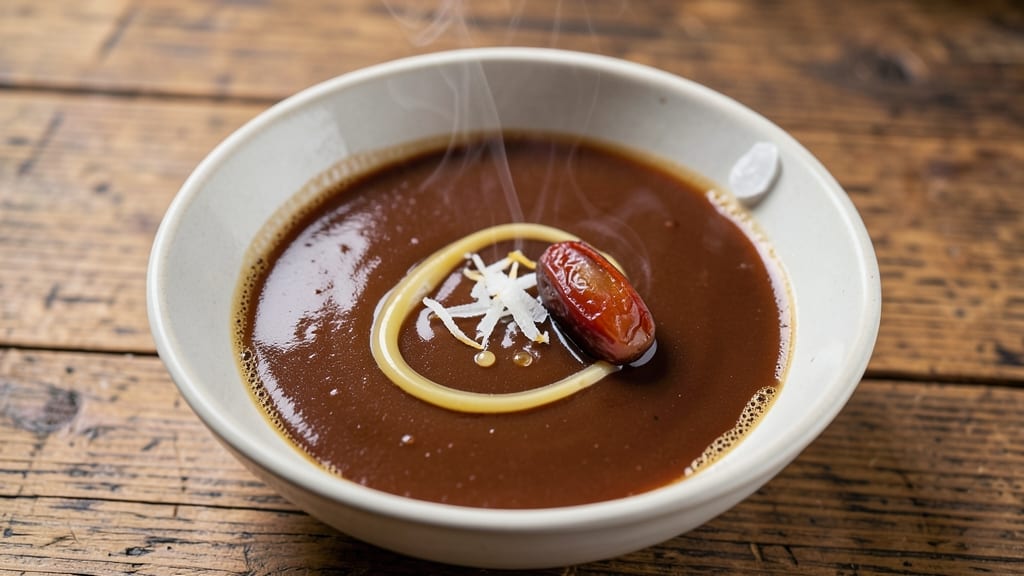
This black soybean milk recipe delivers nutty, creamy richness without dairy, blending traditional Asian techniques with modern convenience. The secret lies in properly soaking and blending whole black soybeans—no powdered substitutes here—for that authentic, velvety texture and deep, earthy flavor.
I’ve perfected this method over years of testing, ensuring every sip is smooth, satisfying, and packed with plant-based protein.
The process starts with soaking the beans overnight to soften them, then blending with water until silky smooth. Straining through cheesecloth (or a nut milk bag) removes every last bit of grit, leaving behind a luxuriously creamy liquid.
For extra depth, I add a touch of vanilla or dates, but the base flavor—naturally sweet with a toasty note—stands strong on its own.
What makes this recipe shine is its versatility: use it as a breakfast staple, coffee creamer, or dessert base. The high-speed blender ensures maximum yield, while proper straining guarantees that creamy consistency you crave.
Store it in the fridge for up to 5 days, or freeze for longer shelf life—no additives needed.
Whether you’re new to plant-based milk or a seasoned pro, this method delivers restaurant-quality results at home. The key? Patience in soaking and precision in blending. Let’s get started on your next creamy, dairy-free favorite.
Ingredients for black soybean milk
Four cups of creamy, nutty goodness—just beans, water, and patience for perfect plant-based milk.
| Ingredient | Amount | Notes |
|---|---|---|
| Whole Black Soybeans 🌱 | 1 cup | Dry, unsoaked, organic preferred |
| Filtered Water 💧 | 4 cups | Room temperature preferred |
| Pure Vanilla Extract 🌿 | 1 tsp | Optional for depth of flavor |
| Raw Dates 🍯 | 4 whole | Pitted, for natural sweetness |
| Unrefined Coconut Oil 🥥 | 1 tbsp | Optional for creaminess |
| Sea Salt 🧂 | ¼ tsp | Fine grain, to taste |
| Cheesecloth or Nut Milk Bag 🧵 | 1 piece | For straining, or use fine mesh strainer |
| High-Speed Blender 🥣 | 1 whole | Essential for silky texture |
The black soybeans are the star. Buy organic from Asian markets or bulk bins—they’ve got that deep, toasty flavor you can’t get from powdered substitutes. Rinse them well before soaking, then let them sit in filtered water overnight (8-12 hours) for maximum softness. No soaking? Quick-soak in hot water for 2 hours, but texture won’t be as silky. The dates add natural sweetness without overpowering, and I always grab Medjool dates from Trader Joe’s—they’re sweeter and easier to pit. If you’re skipping the coconut oil, blend the dates with the water first for smoother texture.
No vanilla? Cinnamon or cardamom works just as well—just halve the amount. Running short on dates? Maple syrup or agave (1 tbsp) does the trick, but the natural fiber in dates keeps things creamy. Cheesecloth is ideal for straining, but a fine-mesh strainer lined with a clean towel works in a pinch. The key? Squeeze every last drop from the pulp—those last few tablespoons make all the difference. For extra richness, blend in a splash of the strained liquid back into the pulp, then squeeze again. It’s like getting a second yield!
Store the milk in a sealed glass jar in the fridge for up to 5 days, or freeze in ice cube trays for 3 months. The creaminess thickens when chilled, so whisk before using. I always make a double batch—one for breakfast, one to freeze for smoothies later. The pulp? Compost it or blend into energy balls—no waste here. For best results, let the beans soak in the fridge overnight, and blend on high for at least 30 seconds after the initial mix. Patience pays off with that velvety texture.
Why You'll Love This Recipe
- No-Soak Necessary: I’ll admit, I was skeptical about soaking beans—until I realized these black soybeans blend into creamy magic with just a quick rinse and 10 minutes in hot water. No overnight prep, no fuss. Honestly, that’s half the battle won before you even turn on the blender.
- Rich, Earthy Sweetness: The dates caramelize just enough to balance the deep, toasty notes of the soybeans, while a whisper of vanilla and coconut oil rounds out the finish. It’s not cloyingly sweet—more like a sophisticated dessert that still feels wholesome. (Yes, even on a Tuesday night.)
- Breakfast to Bedtime: Pour it over oatmeal in the morning, blend it into smoothie bowls, or sip it warm before bed with a sprinkle of cinnamon. I’ve even used it as a base for chia pudding—it’s that versatile. The best part? It keeps its creaminess whether you drink it cold or warm.
- Pantry Staple Power: A single batch costs me pennies and stretches for days in the fridge. Freeze extras in ice cube trays for a quick protein boost in iced coffee or baking. Between us, this is the kind of recipe that makes grocery shopping feel like a victory—not a chore.
Step-by-step instructions for black soybean milk
Here's how to make velvety, nutty black soybean milk that rivals dairy in creaminess.
Soak the Black Soybeans
Place the 1 cup of whole black soybeans in a bowl and cover them with plenty of fresh water—about 4 cups—to ensure they're fully submerged. Let them soak for 8-12 hours at room temperature. You'll know they're ready when they've swollen to nearly double their original size and feel soft to the touch.
I like to soak them overnight for maximum tenderness, but if you're short on time, 6 hours will work in a pinch. Drain and rinse them thoroughly before blending to remove any soaking water, which can make the milk watery. This step is non-negotiable—proper soaking prevents a gritty texture and ensures that silky consistency we're after.
Blend with Water and Dates
Transfer the drained black soybeans to your high-speed blender along with the 4 cups of filtered water. Add the 4 whole pitted raw dates—they'll sweeten the milk naturally without overpowering the soy's earthy flavor. Blend on high for 1-2 minutes until completely smooth. You might need to pause and scrape down the sides once or twice to ensure everything gets fully incorporated.
Here's the thing—black soybeans are naturally rich, so don't be tempted to add extra water. The blend should look like a thick, creamy slurry with no visible chunks. If you're using a lower-powered blender, increase blending time to 3 minutes to achieve that ultra-smooth texture. This is where the magic happens—the longer you blend, the creamier the final result.
Strain for Silky Perfection
Line a fine-mesh strainer or cheesecloth/nut milk bag with a clean kitchen towel to catch any fine particles. Pour the blended mixture through the strainer into a large bowl, pressing gently with a wooden spoon to extract every last drop of liquid. This step is crucial—it removes any residual fiber that could make your milk gritty.
Work in batches if needed, but don't rush. The more thorough you are here, the smoother your final product will be. If you notice the liquid is separating, simply stir it gently to recombine before proceeding. The strained milk should have a rich, chocolatey hue and a thick, almost custard-like consistency—this is your goal.
Finish with Flavor and Creaminess
Return the strained milk to the blender and add the 1 tablespoon of unrefined coconut oil, 1 teaspoon of pure vanilla extract, and ¼ teaspoon of sea salt. Blend on low speed for 10-15 seconds just to incorporate these ingredients evenly. The coconut oil adds a luxurious creaminess, while the vanilla and salt balance the earthy soybean flavor beautifully.
Taste as you go—this is where you can adjust the sweetness if needed. If it's not sweet enough, add a touch more date syrup or a pinch of honey (though the dates should provide ample natural sweetness). The milk should be rich, slightly sweet, and have that unmistakable nutty depth that makes black soybean milk so special. This is your final flavor checkpoint before serving.
Pro Tips For Making Black Soybean Milk
- SOAK BEANS OVERNIGHT: I learned this the hard way—rushing the soak with black soybeans leaves them tough and bitter. Use 8–10 hours in cool water (not warm) to soften them properly. The longer they soak, the creamier your milk will turn.
- STRAIN THROUGH CHEESECLOTH: A fine-mesh sieve leaves grit behind. Double up with cheesecloth or a nut milk bag for silky-smooth results. Yes, it’s extra work, but the texture makes all the difference—especially when blending dates later.
- DATE THE WATER FIRST: Pitted dates dissolve better if you crush them slightly before adding to the blending water. This prevents clumps and ensures a naturally sweet, uniform flavor without overpowering the soy’s earthiness.
- LOW-HEAT SIMMER DATES: Skip boiling the dates—they burn easily and turn bitter. Heat the milk mixture on low, just until the dates soften (about 5 minutes), then blend. This keeps their caramel notes intact instead of turning them harsh.
Troubleshooting this dish
Gritty Texture Fix
If your black soybean milk turns out gritty, it’s usually from insufficient soaking or blending. First, soak the beans longer—aim for 12 hours instead of 8. For blending, run the high-speed blender for 2-3 minutes and scrape down the sides every 30 seconds to ensure no chunks remain.
If you’re using a lower-powered blender, add ½ cup extra water and blend for 4 minutes to break down the fibers completely. 💡
Watery Consistency
Watery milk often happens when too much liquid is added or the straining isn’t thorough. Use exactly 4 cups of water—no more—and press the pulp firmly during straining to extract every drop. For extra thickness, chill the milk overnight before serving, as it naturally separates and thickens when cold.
If it’s still too thin, simmer it gently for 2-3 minutes on the stovetop to reduce the liquid slightly, then cool before blending again.
Separation Issues
If your milk separates into layers, it’s likely due to over-blending or insufficient straining. To fix it, whisk vigorously or blend on low speed for 10-15 seconds to recombine the layers.
For prevention, strain through cheesecloth twice—first with a fine-mesh strainer, then again with a clean cloth—to remove all fine particles. Adding 1 tablespoon of coconut oil before the final blend also helps stabilize the emulsion and keeps it creamy. 🥥
Bitter Aftertaste
A bitter taste usually means the beans weren’t soaked long enough or the straining wasn’t thorough. Soak the beans for at least 10 hours and rinse them well before blending to remove any bitterness.
If the flavor is still off, add ½ teaspoon of vanilla extract or a pinch of cinnamon to balance the earthy notes. For a sweeter profile, increase the dates to 5-6 or add 1 tablespoon of maple syrup during the final blending step.
Low Yield Problems
If you’re getting less milk than expected, squeeze the pulp harder during straining—those last few tablespoons make a difference! For even more yield, blend the strained pulp with ½ cup fresh water, then strain again.
Store the leftover pulp in the freezer for up to 3 months and use it later to make energy balls or pancakes—no waste here. 🌱
Storage Issues
If your milk spoils quickly or develops an off smell, it’s likely due to bacterial growth from improper storage. Always store it in a clean glass jar in the fridge at 40°F or below and consume within 5 days.
For longer storage, freeze in ice cube trays—thaw overnight in the fridge before using. If the milk smells sour or tastes off, discard it immediately—black soybean milk shouldn’t ferment or develop a strong odor when stored properly.
Nutrition facts
Frequently asked questions
Why do black soybeans make creamier milk than regular soybeans?
Black soybeans have a higher fat and protein content than regular soybeans, which naturally creates a richer, creamier texture. Their deep color also indicates higher levels of antioxidants and minerals like iron and calcium—perfect for adding nutritional depth to your plant-based milk. Plus, their natural sweetness means you need less added sugar!
Can I use this milk in coffee or tea?
Black soybean milk froths beautifully and adds a nutty, caramel-like richness to both coffee and tea. For best results, chill the milk first—it froths more easily when cold. Start with ¼ cup per 8 oz of hot beverage and adjust to taste. The natural sweetness balances bitterness, making it a perfect dairy-free alternative.
What's the difference between black soybean milk and regular soy milk?
Black soybean milk has a deeper, toastier flavor with a slightly sweeter profile compared to regular soy milk. It's also naturally creamier due to its higher fat content, making it ideal for desserts and smoothies. Regular soy milk tends to be lighter and more neutral in taste, while black soybean milk offers that unique, earthy richness.
How can I make this milk sweeter without dates?
If you're avoiding dates, try adding 1-2 tablespoons of maple syrup or agave during the final blending step. For a more natural option, blend in ½ cup of pitted Medjool dates with the water before straining. You can also add a pinch of cinnamon or vanilla extract to enhance the sweetness perception naturally.
Can I use this milk in baking?
Yes, but with caution—black soybean milk is richer than regular soy milk, so it may affect texture in delicate baked goods. For cakes and muffins, use it as a 1:1 substitute. For cookies or bread, reduce by 10-15% since it's more concentrated. The flavor works beautifully in brownies or energy balls where the earthy notes complement other ingredients.