
Sauces & Condiments
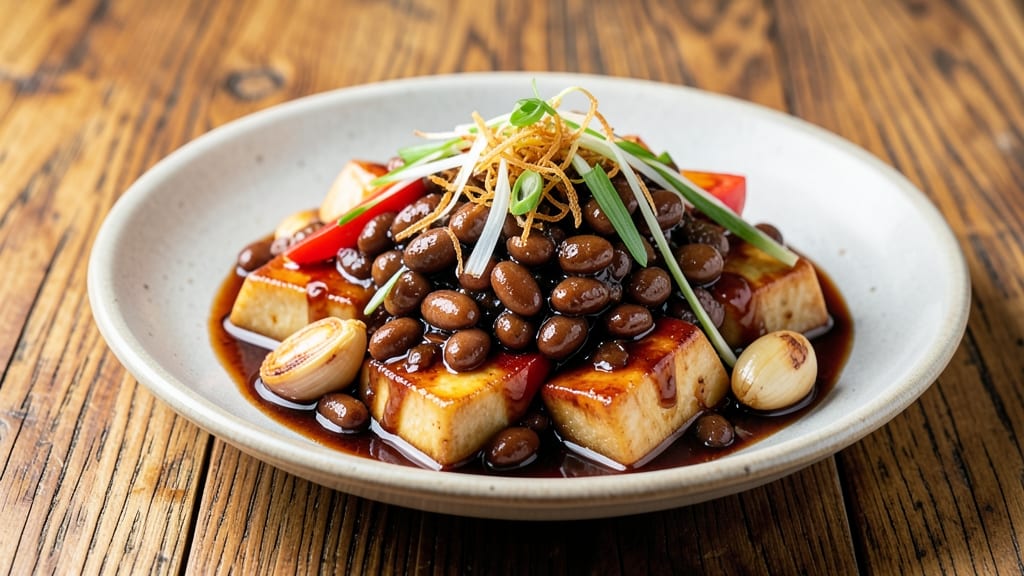
This Korean black bean sauce recipe delivers the deep, fermented funk and sweet-spicy complexity that elevates everything from stir-fries to marinades. The secret lies in fermented black beans (chunjang), which provide that signature umami punch, balanced by gochugaru for heat and a touch of sweetness.
I developed this after years of tinkering with Korean condiments—it’s the kind of sauce that transforms simple dishes into something restaurant-worthy.
The beauty of this recipe is its versatility. You’ll start with a thick, paste-like base that can be thinned with water or broth for dipping sauces or stir-fry applications.
The fermentation process (or using store-bought chunjang) builds layers of flavor over time, making this sauce even more complex with each use. It’s a pantry staple that keeps for months in the fridge or freezer, ready to enhance any meal.
What you’ll end up with is a sauce that’s rich, slightly tangy, and just sweet enough to balance the heat—perfect for glazing meats, tossing with noodles, or serving as a dipping sauce for dumplings.
The aroma alone will have your kitchen smelling like a Korean pojangmacha (street food stall), and the flavor? That’s where the magic happens.
Whether you’re making it from scratch or adapting it with shortcuts, this sauce is a game-changer for home cooks. Let’s get started—your taste buds will thank you.
Ingredients for black bean sauce korean
Nine ingredients. Infinite flavor. The secret to this restaurant-worthy Korean black bean sauce.
| Ingredient | Amount | Notes |
|---|---|---|
| Fermented Black Beans (Chunjang) 🫘 | ½ cup | Store-bought or homemade fermented |
| Gochugaru (Korean Red Pepper Flakes) 🌶️ | 2 tbsp | Adjust for desired heat level |
| Dark Soy Sauce 🍶 | ¼ cup | For deep umami flavor |
| Rice Vinegar 🍶 | ¼ cup | For tangy brightness |
| Brown Sugar 🍯 | ¼ cup | Packed for sweetness |
| Garlic Cloves 🧄 | 4 cloves | Minced for aromatic depth |
| Fresh Ginger 🧡 | 1 tbsp | Grated, for zesty kick |
| Sesame Oil 🌰 | 1 tbsp | Toasted for nutty aroma |
| Water 💧 | ½ cup | Adjust for desired consistency |
| Asian Pearl Onions 🧅 | 2 whole | Thinly sliced, optional garnish |
The fermented black beans (chunjang) are non-negotiable here—this is where the signature umami funk comes from. Maesil Chunjang from Korean markets is my go-to, but Hanjin or Soy Gochujang work too. If you can't find it, ferment your own using black beans, salt, and time (patience is key!). Gochugaru is the heat carrier, and Korean Market USA or H Mart have the best quality. Look for a vibrant red color—fading means it's lost potency. The garlic and ginger? Freshly minced makes all the difference, but pre-minced works in a pinch.
No gochugaru? Substitute with cayenne pepper at half the amount, but you'll lose that signature Korean smokiness. Short on brown sugar? Honey or maple syrup works, though it won't caramelize the same way. The sauce should be thick like paste when done—thin it with water or broth later if needed. For extra depth, add a splash of mirin or a pinch of MSG (trust me on this). If you're feeling adventurous, toast the sesame oil in a dry pan first—nutty aroma explosion. And if you're using store-bought chunjang, taste it first—some brands are saltier than others, so adjust the soy sauce accordingly.
This sauce gets better with age—fermentation magic. Store it in a clean glass jar in the fridge for up to 3 months, or freeze for 6 months. The longer it sits, the deeper the flavors. I like to make a big batch and keep portions in the freezer—just thaw overnight in the fridge. It reheats beautifully, so don't be shy about making extra. The onions? Only add them at the end if you're using them as a garnish—they'll soften too much if cooked in the sauce. And if you're feeling fancy, drizzle a touch of toasted sesame seeds on top before serving.
Why You'll Love This Recipe
- Pantry Magic: I swear by this one—just 5 ingredients from my Korean pantry, no fresh herbs or fancy prep. The chunjang’s funky depth and gochugaru’s heat build while you stir, no chopping, no stress.
- Umami Bomb: That first spoonful? Chef’s kiss. The fermented black beans hit like a salty, smoky punch, then the dark soy and brown sugar mellow it into something dangerously addictive—sweet, spicy, and just a little funky.
- Double-Duty Sauce: Slather it on grilled chicken, toss with rice, or drizzle over fried eggs. I’ve even used it as a quick marinade for tofu (yes, even on a Tuesday night). The versatility keeps it fresh for weeks.
- Budget Game-Changer: A jar of chunjang lasts months, and the rest of the ingredients? Basic. I make big batches because this sauce turns $5 worth of protein into a restaurant-worthy meal—no guilt, just flavor.
Step-by-step instructions for fermented black bean sauce
This sauce delivers a perfect balance of funky fermented depth and sweet-spicy brightness—let's build it layer by layer.
Toast the Fermented Black Beans
Heat a dry skillet over medium heat and add the 0.5 cup fermented black beans (chunjang). Toast them for 3-4 minutes until they develop an aromatic, nutty fragrance and begin to darken slightly. This step deepens their earthy flavor and removes any raw taste. Stir frequently to prevent burning—you're looking for a rich, toasted aroma rather than smoke.
Real talk: Don't rush this step. The beans should smell intensely fermented and slightly caramelized. If they start to stick, reduce the heat slightly. Once properly toasted, remove them from the skillet and set aside—they'll be the flavor foundation of your sauce.
Build the Sweet-Spicy Base
In the same skillet (no need to clean it—those toasted bean bits are pure flavor), add 2 tablespoons gochugaru and 4 cloves minced garlic. Cook for 1-2 minutes until the gochugaru turns a deeper red and the garlic becomes fragrant. Immediately add the 1 tablespoon grated fresh ginger and 1 tablespoon toasted sesame oil, stirring to combine.
I like to press the garlic and ginger into the pan for those last 10 seconds—they'll release their oils and create an intense aromatic base. This is where the sauce gets its signature sweet-spicy kick. If you're sensitive to heat, reduce the gochugaru to 1 tablespoon now and add more later if needed.
Combine Wet Ingredients
Pour in the 0.25 cup dark soy sauce, 0.25 cup rice vinegar, and 0.25 cup packed brown sugar all at once. Stir vigorously to dissolve the sugar completely—you should hear it sizzle as it melts into the mixture. This is the moment that matters: the sauce should immediately begin to thicken as the sugar caramelizes slightly with the residual heat.
Add the toasted black beans back to the skillet and bring everything to a gentle simmer over medium-low heat. Let it cook uncovered for 8-10 minutes, stirring occasionally, until the sauce reduces by about 25% and becomes syrupy. You'll notice the color deepen to a rich, glossy mahogany—this is your visual cue that the sauce is developing properly.
Finish with Water and Adjust
Remove the skillet from heat and stir in the 0.5 cup water. This thins the sauce slightly to create the perfect consistency for dipping, glazing, or drizzling. Taste and adjust the balance: add more brown sugar if you want it sweeter, more gochugaru for heat, or a splash of rice vinegar for tang. The sauce should coat the back of a spoon with a glossy sheen.
Let the sauce rest for 10 minutes before using—this allows all the flavors to meld completely. For extra depth, thinly slice the 2 whole Asian pearl onions and use them as a garnish or quick-pickle topping. This sauce keeps beautifully in the refrigerator for up to 2 weeks, with flavor actually improving over time.
Pro Tips For Making Black Bean Sauce Korean
- Bloom the Gochugaru: Toss the Korean red pepper flakes into your hot pan first—just for 10 seconds—before adding anything else. This wakes up their flavor and prevents that bitter aftertaste I used to get when I’d add them too late. (Yes, even if you’re impatient like me.)
- Toast the Chunjang: Let those fermented black beans sizzle in the pan for 30 seconds before adding liquid. The aroma deepens and the texture thickens faster—no more watery sauce. I learned this the hard way after making a batch that tasted more like soup than sauce.
- Balance the Vinegar: Add rice vinegar gradually—start with half the recipe, taste, then adjust. Too much and your sauce turns sharp; too little and the sweetness feels flat. My grandmother swore by this, and she was right: the first bite should taste like harmony, not a punch.
- Sweeten Last: Stir in the brown sugar after everything else is cooked—just 2 minutes before serving. This keeps it from caramelizing into a sticky mess. I skip this when I’m lazy, but the sauce is noticeably better when I don’t. (Your future self will notice.)
Serving suggestions for this dish
Dipping Sauce Perfection
This black bean sauce is a game-changer for dumplings, spring rolls, or fried chicken. Serve it warm in a small bowl with a few thinly sliced Asian pearl onions on top for crunch and visual appeal.
The sweet-spicy balance cuts through crispy textures beautifully. I like to drizzle a touch of toasted sesame oil on top right before serving—it adds that extra aromatic punch. 🌟
Stir-Fry Glaze Magic
Thin the sauce with 1-2 tablespoons water until it reaches a pourable consistency. Toss it with stir-fried vegetables like bell peppers, mushrooms, and bok choy, or use it as a glaze for tofu or chicken.
The fermented funk elevates simple stir-fries to restaurant-level depth. For extra richness, add a splash of sesame oil at the end. ✨
Marinade for Meats
Use this sauce as a marinade for grilled pork belly, chicken thighs, or beef ribs. Coat the meat generously and marinate for at least 2 hours (overnight for maximum flavor).
The sweet-spicy profile caramelizes beautifully on the grill, creating a sticky, flavorful crust. I recommend brushing extra sauce on during the last 5 minutes of cooking for a glossy finish. 🔥
Rice Bowl Upgrade
Drizzle this sauce over steamed rice bowls with grilled meats, quick-pickled veggies, or soft-boiled eggs. The umami depth makes every bite more satisfying. For a complete Korean-inspired meal, top with quick-pickled radishes and a fried egg. The contrast of textures and temperatures is pure comfort food bliss. 💛
Noodle Sauce Twist
Toss cold or hot noodles with this sauce for an instant flavor upgrade. Works perfectly with ramen, udon, or even spaghetti. Thin the sauce with 1-2 tablespoons of noodle cooking water to create a silky, clinging sauce.
Add a sprinkle of sesame seeds and green onions for freshness. This is my go-to quick weeknight meal. 💫
Garnish Like a Pro
Elevate any dish with these simple garnishes: thinly sliced scallions, toasted sesame seeds, or quick-pickled onions. For extra flair, add a few crispy fried shallots on top.
The visual contrast makes every dish look restaurant-worthy. Pro tip: Use a fine-mesh sieve to dust sesame seeds evenly for that chef's touch. 🌶️
Nutrition facts
Frequently asked questions
Can I make this sauce without fermented black beans?
The fermented black beans (chunjang) are key for that signature umami funk, but you can substitute with 1 cup black soybeans that you've soaked overnight and cooked until soft. For a shortcut, use 2 tablespoons miso paste plus 1 tablespoon gochujang—though the flavor won't be identical. The sauce will taste more mellow without fermentation.
How do I adjust the heat level?
Start with 1 tablespoon gochugaru for mild heat, or 3 tablespoons for extra spice. If you love heat, add ½ teaspoon crushed red pepper flakes at the end. For a smoky kick, toast the gochugaru in the pan for 30 seconds before adding other ingredients. Taste as you go!
Can I use this sauce as a marinade for seafood?
Yes, but thin it first with 2 tablespoons water or fish sauce to prevent overpowering delicate flavors. Marinate shrimp or scallops for 30-60 minutes max—the acidity in the sauce can "cook" seafood too quickly. For fish, use half the amount and marinate for 15 minutes only.
Why does my sauce look too thin?
Simmer uncovered for 5-10 more minutes to reduce the liquid. If it's still too runny, mix 1 teaspoon cornstarch with 1 tablespoon water, stir into the sauce, and cook until thickened. For extra body, add 1 tablespoon toasted sesame seeds—they absorb excess moisture.
How long does this sauce keep in the pantry?
Store in a sealed glass jar in the fridge for up to 3 months, or freeze for 6 months. The flavors actually improve with time! For pantry storage, add 1 teaspoon vinegar per cup of sauce to extend shelf life to 2 weeks at room temperature. Always refrigerate after opening.