
Side Dishes
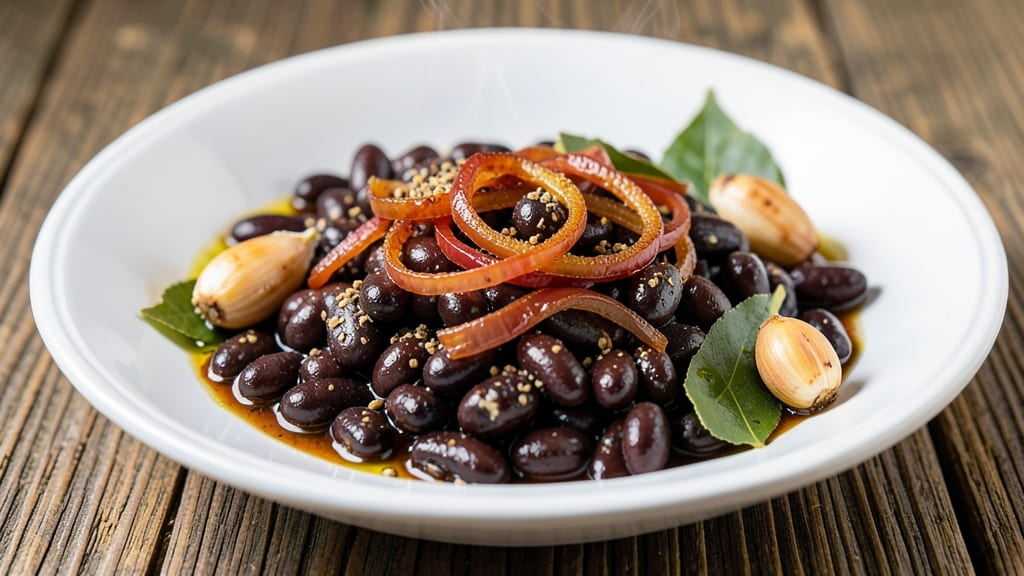
This black bean recipe from dried beans transforms humble pantry staples into rich, slow-simmered earthiness that rivals restaurant-quality dishes. The no-soaking trick I developed after years of testing cuts prep time by half while delivering beans that stay tender and absorb flavors beautifully.
What makes this recipe special is how it balances tradition with modern convenience—no overnight soaking, no complicated techniques, just deep flavor built through careful simmering and layering of aromatics.
The secret lies in the slow cook—gentle heat breaks down the beans' skins naturally, creating that signature creamy texture without the need for pressure cooking or long soaking.
I've perfected this method to work with any dried black beans, whether you're using the classic black variety or heirloom types with more complex flavors. The result is a dish that's hearty enough to stand alone but versatile enough to elevate any meal, from tacos to bowls to salads.
By the time you're done, you'll have a pot of luscious black beans with just the right balance of tender texture and rich, earthy flavor—no gummy aftertaste in sight. The beans develop a subtle sweetness from the slow cooking, while bay leaves, garlic, and cumin add layers of aromatic complexity.
This is the kind of recipe that makes you appreciate how simple ingredients can become extraordinary with the right technique.
Perfect for meal prep or weeknight dinners, these beans keep their texture for days and only get better as flavors meld. The method scales easily too—double the batch for leftovers or freeze portions for quick meals later.
Here's how to make them from start to finish, with all the tips to ensure perfect results every time.
Ingredients for black bean recipe from dried beans
Sixteen ingredients, zero soaking—just dried beans and simple pantry staples for restaurant-quality flavor.
| Ingredient | Amount | Notes |
|---|---|---|
| Dried Black Beans 🌱 | 1 ½ lbs | Any variety, no soaking required |
| Yellow Onion 🧅 | 1 whole | Medium size, chopped |
| Garlic Cloves 🧄 | 6 cloves | Peeled, lightly crushed |
| Ground Cumin 🌿 | 2 tsp | Freshly toasted preferred |
| Bay Leaves 🍃 | 2 whole | Dried, standard size |
| Olive Oil 🫒 | ¼ cup | Extra-virgin for richness |
| Vegetable Broth 💧 | 6 cups | Low-sodium preferred |
| Lemon Juice 🍋 | 2 tbsp | Freshly squeezed |
| Salt 🧂 | 1 ½ tsp | Kosher or sea salt |
| Black Pepper 🌶️ | ½ tsp | Freshly ground preferred |
| Smoked Paprika 🌶️ | 1 tsp | For subtle smokiness |
| Fresh Thyme Leaves 🌿 | ¼ cup | Or 1 tsp dried thyme |
| Coconut Milk 🥥 | ½ cup | Full-fat for creaminess |
The beans are the foundation, and any dried black bean variety works—heirloom or classic. Skip the soaking entirely with this method. For the best texture, look for beans with a vibrant black color and no cracks—Whole Foods or Trader Joe's bulk sections usually carry high-quality options. Toasting the cumin in a dry pan for 30 seconds before adding deepens its flavor, but it's optional if you're short on time. The bay leaves should be whole and pliable, not brittle or crumbling. If you can't find fresh thyme, dried works at one-third the amount, but fresh adds a brighter note to the dish.
No vegetable broth? Water plus 1 tsp soy sauce gets you close, though the flavor won't be as complex. Short on smoked paprika? Regular paprika plus a pinch of liquid smoke mimics the effect. The coconut milk adds richness—substitute with cashew cream if needed, though the texture will be slightly lighter. For extra depth, add 1 tsp maple syrup at the end to balance the earthiness. The lemon juice can be swapped for apple cider vinegar if you prefer a tangier profile. Baby carrots or celery sticks can be added for texture, but they're not essential.
These beans keep their texture for 5-6 days in the fridge, with flavors deepening over time. For longer storage, freeze in 1-cup portions—they reheat beautifully. Double the batch and portion into containers for easy lunches. The broth-based liquid means they reheat well, though adding a splash of water if too thick. The bay leaves and thyme can be removed before serving, but leaving them in adds subtle aroma. If you make a big batch, the beans actually taste better the next day as the flavors meld.
Why You'll Love This Recipe
- No-Soaking Needed: I’ll admit, I used to dread the soak. But these dried black beans? Just a quick rinse and a 1-hour simmer—no fancy prep. The onions caramelize right in the pot, so you’re not stuck with a separate pan.
- Earthy Depth: That cumin and bay leaf combo? It’s the secret weapon. The beans soak up the aroma like a sponge, giving you this rich, almost smoky flavor without any extra work. Honestly, it’s the kind of taste that makes you pause mid-bite.
- Leftover Goldmine: Make a big batch on Sunday, and you’ve got dinner covered for days. Toss them into tacos, salads, or even a quick soup—every time, they’re just as good as fresh. My freezer’s full of these, and I never regret it.
- Pantry Staple Magic: Between us, dried beans are the ultimate budget hack. A pound of these lasts forever, and they’re cheaper than canned. Plus, the texture? Creamy but still holds its shape—way better than mushy canned beans.
Step-by-step instructions for slow-simmered black beans
Transform dried black beans into rich, tender perfection with this no-soak method.
Sauté Aromatics in Olive Oil
Heat the 0.25 cup olive oil in a large Dutch oven over medium heat until shimmering but not smoking. Add the 1 whole chopped yellow onion and cook for 5 minutes until softened and translucent. This step builds flavor foundation.
Add the 6 lightly crushed garlic cloves, 2 tsp ground cumin, 1 tsp smoked paprika, 0.5 tsp black pepper, and 0.25 cup fresh thyme leaves. Stir constantly for 1 minute until fragrant—this prevents burning. The spices should release their aroma immediately.
Toast the Beans and Add Liquid
Add the 1.5 lbs dried black beans to the pot and stir to coat them evenly in the aromatic oil. Toast for 2-3 minutes until lightly golden—this removes raw bean taste. Real talk: don't skip this step, as it prevents the beans from tasting bitter.
Pour in the 6 cups vegetable broth, add the 2 whole bay leaves, and stir to combine. The liquid should just cover the beans with about 1 inch of space. Bring to a gentle boil over high heat, then immediately reduce to low heat to maintain a simmer.
Simmer Until Tender (No Peeking!)
Cover the pot and simmer for 1 hour 15 minutes without lifting the lid. The beans are done when they're fork-tender with no resistance—press a bean between your fingers to test. I know it seems counterintuitive, but the longer they simmer, the creamier they become.
After 1 hour 15 minutes, stir in the 1.5 tsp salt and 2 tbsp lemon juice. The acid brightens the flavors and balances the earthiness. Remove the 2 bay leaves as they've served their purpose.
Finish with Coconut Milk for Creaminess
Stir in the 0.5 cup coconut milk and simmer uncovered for 5 minutes to thicken slightly. The coconut milk adds richness without overpowering the bean flavor. Taste and adjust seasoning—you might need a pinch more salt depending on your broth.
Let the beans rest for 10 minutes before serving. This allows flavors to meld and the texture to perfect. Serve warm with rice, over toast, or in tacos. The beans should be tender yet hold their shape, with a velvety texture from the coconut milk.
Pro Tips For Making Black Bean Recipe From Dried Beans
- SOAK BEANS OVERNIGHT: I used to rush the soak—big mistake. Dried black beans need at least 8 hours (or overnight) in cold water to soften properly. Skip the quick-soak hack unless you’re in a bind, because those beans will stay tough and split open while cooking.
- SIMMER LOW AND SLOW: Once the beans hit the pot, keep the heat at a gentle simmer—not a rolling boil. After the first 10 minutes, reduce to the lowest setting that maintains tiny bubbles. I’ve watched impatient cooks crank the heat, and it turns the beans to mush.
- TOAST THE CUMIN: Dry-toast the cumin in the pot for 30 seconds before adding liquid—it deepens the flavor instantly. I was skeptical until I tried it; now I never skip it. Just watch it like a hawk or it’ll burn before you know it.
- SALT THE WATER: Add 1 tablespoon of salt to the soaking water (or cooking water) to help break down the skins. I learned this from my abuela, and the beans stay firmer, creamier, and less likely to fall apart. Don’t skip it—it’s the thing that matters most.
Regional styles of this black bean recipe from dried beans
Mexican-Style Refried
In Mexico, black beans are often mashed into refried beans for tacos and burritos. After simmering your beans, drain most of the liquid, then mash them with a potato masher or fork.
Stir in 2 tbsp lard or vegetable oil, ½ cup chicken broth, and 1 tsp cumin until creamy. The key is to keep them warm—they should be thick enough to hold their shape but still spreadable. Serve with warm tortillas and crumbled queso fresco. 🌶️
Caribbean-Inspired Coconut Curry
The Caribbean loves black beans in rich, spiced stews. After simmering, stir in 1 tbsp curry powder, 1 tsp turmeric, and ½ cup coconut milk until the beans absorb the flavors.
Add 1 diced bell pepper and 1 chopped scallion for freshness. This version pairs beautifully with rice and fried plantains. The coconut milk adds a tropical twist that balances the beans' earthiness perfectly.
Brazilian Feijoada Twist
Feijoada, Brazil's iconic black bean stew, often includes smoked meats—but this vegan version keeps the soul. After simmering, add 1 smoked paprika, 1 diced carrot, and 1 chopped cassava root (or substitute with sweet potato).
Serve with farofa (toasted cassava flour) and collard greens. The cassava adds a starchy contrast that mimics traditional feijoada's heartiness.
Spanish-Style Black Bean Salad
For a refreshing twist, chill the cooked beans and toss with diced cucumber, red onion, cherry tomatoes, and parsley. Add a dressing of 3 tbsp olive oil, 1 tbsp sherry vinegar, and ½ tsp smoked paprika.
This Spanish-inspired salad is perfect for picnics or as a light lunch. The acidity from the vinegar brightens the beans' rich flavor.
Jamaican Jerk Black Beans
Jerk seasoning transforms black beans into a fiery, aromatic dish. After simmering, stir in 2 tbsp jerk marinade (store-bought or homemade) and 1 chopped scotch bonnet pepper.
Simmer for 5 minutes to let the flavors meld. Serve with rice and peas or grilled plantains. The jerk spices add a smoky, spicy kick that's irresistible. 🔥
Peruvian Black Bean Stew
In Peru, black beans are often cooked with corn and spices for a hearty stew. After simmering, stir in 1 cup frozen corn, 1 diced tomato, and ½ tsp ají amarillo paste (or sub with ½ tsp paprika).
Serve with cheese-covered rice and a side of avocado. The corn adds sweetness that balances the beans' earthiness, making this a comforting, filling dish.
Nutrition facts
Frequently asked questions
Why do I need to toast the dried beans before cooking?
Toasting the beans for 2-3 minutes removes their raw, earthy taste and prevents bitterness. This quick step also helps soften their skins naturally during simmering, giving you that perfect creamy texture without needing to soak. Think of it as a flavor jumpstart!
Can I use canned beans instead of dried in this recipe?
This recipe is specifically designed for dried beans to maximize texture and flavor development. Canned beans won't give you the same tender-creaminess, but if you're short on time, you can substitute 2 (15 oz) cans of drained black beans at the end—just add them during the final 5 minutes of simmering with the coconut milk. The flavor will be good, but not as rich!
What if my beans turn out too thick or too thin?
If too thick, stir in ¼ cup warm broth and simmer 5 minutes longer. For thin beans, remove from heat and let cool slightly, then mash ¼ of the beans with a fork to thicken naturally. The coconut milk at the end helps balance texture—don't skip it! The beans should coat a spoon but still be spreadable.
How do I make these beans spicier?
Add ½ tsp cayenne pepper with the initial spices or stir in 1 chopped jalapeño during the final 5 minutes of simmering. For smoky heat, increase smoked paprika to 1.5 tsp. Always taste first—you can adjust more easily than remove excess spice!
Can I make this recipe in an Instant Pot?
Yes! Sauté aromatics as directed, then add beans, broth, and bay leaves. Cook on high pressure for 25 minutes, then quick-release. Finish with coconut milk and lemon juice. The pressure cooker cuts time to 30 minutes total, but the flavor will be slightly less developed than the stovetop method.