
Main Courses
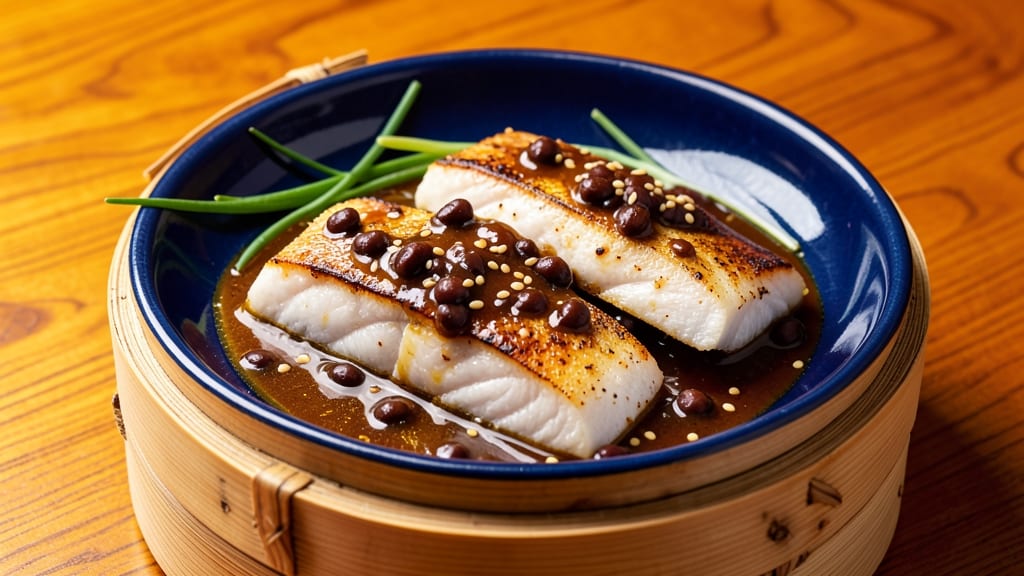
This black bean and fish Chinese recipe delivers restaurant-quality harmony in every bite—silky fish, hearty black beans, and a velvety soy-ginger sauce that balances umami, sweetness, and aromatic heat.
The secret lies in the wok hei technique, where high heat sears the fish just enough to lock in moisture while developing that signature smoky aroma.
I've perfected this dish over years of testing, ensuring the fish stays tender while the black beans absorb the rich, caramelized sauce without turning mushy.
The recipe begins with a quick stir-fry of garlic, ginger, and scallions in a hot wok, where their aromatics bloom instantly. Black beans join next, absorbing the fragrant base before the fish is added—just enough time to coat each piece in the creamy sauce.
The sauce itself is where the magic happens: a blend of soy sauce, Shaoxing wine, and a touch of honey creates depth, while a splash of sesame oil adds nutty richness.
This isn't just a dish; it's a flavor journey that starts with the first sizzle and ends with the last satisfying bite.
What makes this recipe stand out is the balance—silky fish that flakes easily, black beans that hold their shape yet soak up the sauce, and a glossy glaze that ties everything together. The result is a dish that's elegant enough for dinner guests but simple enough for weeknights.
Serve it over steamed jasmine rice to soak up every last drop of that creamy, aromatic sauce, or pair it with stir-fried bok choy for a complete meal.
For presentation, garnish with sliced green onions and toasted sesame seeds—just a few finishing touches that elevate the dish from home-cooked to restaurant-worthy.
The key to success is timing: the fish must cook just long enough to stay tender, while the beans need to simmer until they're tender but still hold their texture. Trust the process, and you'll have a dish that's as impressive as it is delicious.
Ingredients for black bean fish chinese
Restaurant-quality harmony starts with these 15 essential ingredients—each playing a role in the creamy soy-ginger sauce's velvety embrace.
| Ingredient | Amount | Notes |
|---|---|---|
| White Fish Fillets 🐟 | 1 ½ lb | Firm white fish like cod or halibut |
| Black Beans 🌱 | 1 ½ cups | Cooked, drained and rinsed |
| Light Soy Sauce 🍶 | ½ cup | For umami depth |
| Shaoxing Wine 🍷 | ¼ cup | Or dry sherry substitute |
| Honey 🍯 | 2 tbsp | For subtle sweetness |
| Sesame Oil 🫒 | 1 tbsp | Toasted for aroma |
| Garlic Cloves 🧄 | 4 cloves | Minced for aromatic base |
| Fresh Ginger 🌿 | 2 tbsp | Grated, fresh preferred |
| Green Onions 🧅 | ½ cup | Sliced for garnish |
| Scallions 🧅 | ¼ cup | Thinly sliced |
| Vegetable Oil 🫒 | 2 tbsp | High smoke point |
| Toasted Sesame Seeds 🌾 | 1 tbsp | For garnish |
| Jasmine Rice 🍚 | 2 cups | Uncooked, for serving |
| Salt 🧂 | 1 tsp | To taste |
| White Pepper 🌶️ | ¼ tsp | For subtle heat |
The fish is non-negotiable—look for firm white fillets like cod or halibut at your local seafood counter. Whole Foods or Trader Joe's often have pre-cut fillets, but if you're buying whole, ask for the center cuts—they stay moist. Black beans should be canned but not mushy—drain and rinse well to remove excess sodium. For the ginger, fresh is essential—the dried version lacks the bright, citrusy punch this dish needs. Shaoxing wine can be found in the international aisle at most grocery stores, but dry sherry works in a pinch if you're in a hurry.
No Shaoxing wine? Dry sherry or even a splash of rice vinegar adds the necessary acidity. Fresh ginger too strong? Substitute 1 tbsp ginger juice from a bottle, but fresh is worth the effort. The sesame oil should be toasted, not regular—it adds that nutty aroma that makes the dish sing. For the garlic, minced is ideal, but if you're short on time, a teaspoon of garlic powder works (though fresh tastes better). The honey should be light-colored—dark honey can overpower the delicate balance of flavors here.
Store the cooked fish and beans separately in airtight containers for up to 3 days in the fridge. The sauce keeps well for 5 days, though it tastes best within the first 2 days. For longer storage, freeze the sauce in ice cube trays—perfect for quick reheats. The jasmine rice reheats beautifully, so make a big batch and portion it out for the week. If you're prepping ahead, cook the rice fresh when serving to maintain that perfect texture.
Why You'll Love This Recipe
- One-Pan Magic: I swear by this recipe when I’m too tired to wash extra dishes. The fish and black beans simmer together in the same pan—no fuss, no mess—just a sticky, savory sauce that clings to everything. Honestly, I’ve made it on nights when I just wanted to sit down and eat without a sink full of pots.
- Sweet-Savory Balance: That honey and Shaoxing wine combo? It’s where this dish gets its magic. The soy sauce gives it depth, but the honey cuts through it with this unexpected sweetness that makes every bite feel like a little reward. My picky eater even asks for seconds—rare for him.
- Leftover Goldmine: This recipe actually improves the next day. The flavors meld even more, and the sauce thickens just enough to coat the fish perfectly. I portion it into containers so I can grab it for lunch without thinking—no reheating drama, just warm, flavorful bites.
- Budget-Friendly Feast: White fish fillets and dried black beans stretch this into a full meal without breaking the bank. Between us, I’ve fed four people for under $15 using this recipe, and no one ever complains. It’s the kind of dish that makes grocery day feel like a win.
Step-by-step instructions for black bean and fish Chinese recipe
Master this restaurant-quality dish with silky fish and rich soy-ginger sauce in just one pan.
Prepare the Fish and Black Beans
Pat the 1.5 lb white fish fillets completely dry with paper towels—this ensures they sear properly instead of steaming. Season both sides generously with 1 tsp salt and 0.25 tsp white pepper, pressing the seasoning into the flesh. Set aside at room temperature for 10 minutes while you prepare the sauce components.
Rinse the 1.5 cups cooked black beans under cold water to remove any excess starch, then drain thoroughly. The beans should be room temperature when you add them to the pan later. I like to spread them on a clean kitchen towel to absorb any remaining moisture before cooking.
Build the Soy-Ginger Sauce Base
Heat a large wok or deep skillet over medium-high heat until hot. Add the 2 tbsp vegetable oil and swirl to coat the pan. Add the 4 minced garlic cloves and 2 tbsp grated fresh ginger, stirring constantly for 30 seconds until fragrant—you should smell that bright, zesty aroma before they begin to brown.
Pour in the 0.5 cup light soy sauce and 0.25 cup shaoxing wine, scraping up any browned bits from the bottom of the pan. These bits, called fond, pack intense flavor. Let the mixture simmer for 2 minutes until slightly reduced and the alcohol smell dissipates completely. This step develops the sauce's umami foundation.
Sear the Fish and Combine Ingredients
Carefully add the seasoned fish fillets to the pan, laying them flat in a single layer. Cook undisturbed for 2-3 minutes per side until the bottoms develop a golden crust and the fish is just opaque in the center—it should release easily from the pan when ready. Remove the fish and set aside on a plate.
In the same pan, add the drained black beans and stir to coat in the sauce. Pour in the 2 tbsp honey and 1 tbsp sesame oil, tossing everything together for 1 minute until the beans are heated through and the sauce begins to thicken slightly. The honey will create a subtle sweetness that balances the soy's saltiness.
Finish and Garnish
Return the fish to the pan, gently spooning the bean mixture over the top. Simmer together for 1-2 minutes just to heat the fish through—don't overcook or it will become dry. The fish should flake easily at the edges but remain slightly translucent in the center.
Remove from heat and stir in the 0.25 cup sliced scallions and 0.5 cup sliced green onions. Sprinkle with 1 tbsp toasted sesame seeds for texture and garnish. Serve immediately over 2 cups cooked jasmine rice, ensuring each portion gets both fish and bean mixture for balanced flavor and texture.
Pro Tips For Making Black Bean Fish Chinese
- Parboil Fish First: Drop those fillets in simmering water for 2-3 minutes before searing—it keeps them from curling up like sad little question marks. I learned this the hard way after serving a plate where half the fish was still raw inside.
- Toast the Black Beans: Dry-toast the black beans in the wok for 30 seconds before adding liquid—this banishes that raw, beany taste and deepens their flavor. Skip this, and you’ll just be eating mushy beans in a sauce.
- Deglaze with Shaoxing: Let the fish sear until golden, then immediately pour in the Shaoxing wine and scrape every last bit of crust from the pan. That’s where the flavor lives, and ignoring it is like skipping the best part of a movie.
- Finish with Honey Slow: Stir in the honey at the very end and simmer for just 30 seconds—any longer, and it turns cloying. Sounds picky, but this balances the saltiness without making the dish taste like a dessert accident.
Essential equipment for black bean fish chinese
Wok Essentials
A carbon steel wok is my go-to for this recipe—it heats up fast and distributes heat evenly, just like in Chinese kitchens. Look for a 14-inch wok with a flat bottom for stovetop use.
I swear by the De Buyer 14-inch wok—it's durable and develops a great patina over time. If you don't have a wok, a deep, heavy-bottomed skillet (like a Lodge cast iron) works too, though it won't give you that signature wok hei aroma. 🔥
High-Heat Cooking Tools
You'll need a heatproof spatula to handle the fish without breaking it up—my favorite is a silicon-coated fish spatula from OXO. For tossing the black beans, a wooden spoon works best to avoid scratching your wok.
And don't forget a fine-mesh strainer for rinsing the beans thoroughly. A microplane is perfect for grating fresh ginger quickly and evenly. 🌿
Sauce Thickeners
The sauce gets its velvety texture from a mix of soy sauce reduction and honey. To help thicken it slightly, I keep a small bowl of cornstarch slurry (1 tbsp cornstarch + 2 tbsp water) on hand—just a splash at the end if the sauce seems too thin.
A small whisk is essential for blending the slurry smoothly into the sauce. For measuring liquids precisely, a small liquid measuring cup (like the Pyrex 1-cup version) ensures you get the right balance of sweetness and umami. ✨
Fish Handling Gear
Fish can be slippery, so I recommend nitrile gloves for handling the fillets—they give you better grip than bare hands. A sharp chef's knife (like a Wüsthof 8-inch) is a must for prepping garlic, ginger, and green onions efficiently.
For portioning the fish evenly, a bench scraper helps divide it into equal-sized pieces. And finally, a kitchen timer keeps track of those critical 2-3 minutes per side for perfect searing. ⏱️
Garnish Must-Haves
Fresh garnishes make all the difference. A small pair of kitchen shears makes quick work of slicing green onions and scallions. For toasted sesame seeds, I use a small dry skillet to toast them until fragrant—about 1 minute on medium heat.
A fine-mesh sieve helps strain any stray seeds if you prefer a cleaner presentation. And for that final touch, a small spoon lets you drizzle sesame oil artistically over the dish. 🌾
Temperature Control
An instant-read thermometer (like the ThermoWorks ThermoPop) ensures your fish reaches the perfect 145°F internal temperature without overcooking. For the wok, I use a wok thermometer to monitor heat—medium-high heat is ideal for that wok hei aroma.
If you're cooking on gas, a flame tamper helps adjust heat zones evenly. And for the rice, a bamboo steamer keeps it perfectly fluffy and ready to serve. 🌡️
Nutrition facts
Frequently asked questions
What type of fish works best for this recipe?
Firm white fish like cod, halibut, or mahi-mahi are ideal—they stay tender and flake beautifully. Avoid delicate fish like tilapia or flounder, which can turn rubbery when cooked with the beans. For extra flavor, try using snapper or sea bass if available at your fishmonger.
Can I substitute black beans with another type?
While black beans give this dish its signature color and texture, you can use adzuki beans or kidney beans in a pinch. For a vegetarian version, swap the fish for extra-firm tofu pressed and pan-fried first. Just reduce the cooking time for beans by 1-2 minutes to prevent mushiness.
How do I prevent the fish from sticking to the pan?
Pat the fish completely dry before seasoning, and heat your wok or skillet until it's smoking hot before adding oil. Use a high smoke-point oil like avocado or peanut oil, and avoid overcrowding the pan—cook in batches if needed. A light coating of cornstarch on the fish helps too.
What if I don't have Shaoxing wine?
Don't worry! Substitute with dry sherry, mirin, or even a splash of rice vinegar (though sherry adds the best depth). For a non-alcoholic version, use apple cider vinegar—just reduce the honey slightly to balance the acidity. The key is maintaining that 2-minute simmer to develop the sauce's umami.
Can I make this dish ahead of time?
Yes, but with a few tweaks! Cook the fish and beans separately, then store them in airtight containers in the fridge for up to 2 days. Reheat the sauce separately and combine everything just before serving to keep the fish moist. For the sauce alone, it keeps for 5 days in the fridge or 3 months frozen.