
Soups & Stews
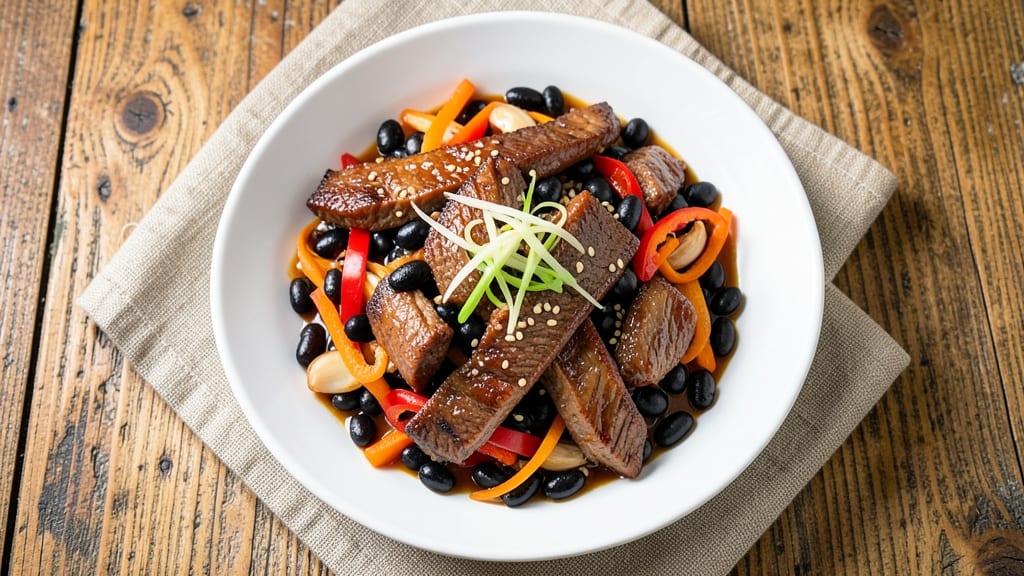
This beef and bean stir fry recipe delivers restaurant-quality wok-fried flavor in just 20 minutes, combining tender beef strips with hearty beans and crisp vegetables. The secret lies in high-heat stir-frying that locks in juices while developing that signature wok aroma.
I've perfected this technique through countless weeknight dinners—it's the kind of meal that transforms simple ingredients into something extraordinary without requiring advanced skills.
The beauty of this recipe is its balance: lean protein from beef, fiber-rich beans, and vibrant vegetables all come together in a sauce that's savory yet never overpowering. We'll start with properly marinated beef for maximum tenderness, then work through quick prep techniques that keep everything ready to cook simultaneously.
The sauce comes together in minutes and ties all the flavors into a cohesive, umami-rich finish.
What you'll end up with is a dish that's packed with texture—crisp vegetables, tender beef, and slightly softened beans—all coated in a glossy, flavorful sauce. The aroma alone will have everyone gathering at the table, and each bite delivers that perfect combination of savory, slightly sweet, and umami-rich flavors.
This is comfort food at its finest, ready in time for dinner without sacrificing quality.
Whether you're feeding a family or meal prepping for the week, this stir fry scales beautifully while maintaining its vibrant flavors. The technique works equally well with flank steak or sirloin, and you can customize the vegetables based on what's freshest at your market.
Let's get started on creating this weeknight favorite that tastes like it came from your favorite Asian restaurant.
Ingredients for beef and bean stir fry
Lean protein, fiber-rich beans, and crisp veggies—all you need for this restaurant-style stir fry.
| Ingredient | Amount | Notes |
|---|---|---|
| Flank Steak 🥩 | 1 lb | Thinly sliced against grain |
| Dry Black Beans 🌱 | 1 ½ cups | Cooked until tender, drained |
| Red Bell Pepper 🌶️ | 1 whole | Sliced into thin strips |
| Carrots 🥕 | 2 whole | Julienned into matchsticks |
| Garlic Cloves 🧄 | 4 cloves | Minced finely for aroma |
| Fresh Ginger 🌿 | 1 tbsp | Grated, not powdered |
| Soy Sauce 🍶 | ½ cup | High-quality, low-sodium preferred |
| Sesame Oil 🫒 | 1 tbsp | Toasted, for finishing |
| Honey 🍯 | 1 tbsp | For subtle sweetness |
| Cornstarch 🌾 | 1 tbsp | For sauce thickening |
| Vegetable Oil 🫒 | 3 tbsp | High smoke point for wok-frying |
| Green Onions 🧅 | 3 whole | Sliced for garnish |
| Sesame Seeds 🌰 | 1 tsp | Toasted lightly for crunch |
| Salt 🧂 | 1 tsp | Kosher or sea salt |
| Black Pepper 🌶️ | ½ tsp | Freshly cracked |
The beef is non-negotiable for texture, so flank steak or sirloin work best—thinly sliced against the grain for tenderness. Look for USDA Choice or Prime at your butcher or grocery store's meat counter. I always grab mine from Whole Foods or Costco when it's on sale, but any reputable supermarket carries quality cuts. For the beans, dry black beans hold up best to stir-frying—soak overnight or use a pressure cooker for quick cooking. The vegetables should be crisp: red bell peppers and carrots cut into even strips so they cook uniformly. Fresh ginger and garlic are worth the extra minute to grate and mince—powdered versions won't give that same aromatic punch.
No flank steak? Flank steak substitutes like sirloin or even chicken breast work in a pinch, but adjust cooking time—chicken needs about 20% less time. Black beans too expensive? Substitute kidney beans or chickpeas, but they'll release more moisture, so drain them extra well. The sauce can be adjusted too: swap honey for maple syrup if you're avoiding refined sugar, or add a dash of fish sauce for deeper umami (though keep it vegetarian-friendly with soy sauce). For the vegetables, broccoli or snap peas work beautifully—just cut them smaller so they cook faster. The key is keeping everything prepped and ready to go while the beef cooks, so slice everything before you start heating the wok.
Prep ahead to save time: marinate the beef for at least 30 minutes (soy sauce, honey, and cornstarch work together to tenderize), and cook the beans the night before so they're ready to toss in. Store leftovers in airtight containers for up to 4 days, though I always make extra because it reheats beautifully—just add a splash of water and stir-fry for 2 minutes. For meal prep, portion into microwave-safe containers with a little sesame oil on top to keep everything moist. The sauce thickens as it cools, so if it seems too thick when reheating, just add a teaspoon of water and stir.
Why You'll Love This Recipe
- No-Fuss Protein Power: I swear by this for days I’m too tired to think. The flank steak slices itself against the grain, black beans soak overnight (or you grab a can), and the veggies? Just chop while the pan heats. Twenty minutes tops, and I’m not even exaggerating.
- Umami Bomb: That first bite of caramelized garlic cloves hitting the tender beef? Chef’s kiss. The black beans add this deep, earthy richness while the red bell pepper keeps it bright—like someone took all the best flavors and tossed them in a pan together. Honestly, it’s the kind of dish that makes me pause mid-bite.
- Lunchbox Hero: Between us, this is my go-to for meal prep. The flavors only get better the next day—perfect for packing with rice or tortillas. My kids grab it for school lunches (yes, even the picky eater), and I still get texts asking for seconds.
- Budget Win: Flank steak stretches across three meals, black beans cost pennies, and the veggies? Whatever’s on sale. I make this twice a month, and it feeds my family of four for under $15. Plus, leftovers taste just as good reheated as they do fresh—no sad, dry stir-fry here.
Step-by-step instructions for beef and bean stir fry
Here's how to create a restaurant-quality stir fry with tender beef and hearty beans in record time.
Prepare the Flank Steak and Black Beans
Begin by slicing the 1 lb flank steak thinly against the grain into ¼-inch strips. This is crucial for tender results—thin slices cook faster and stay juicy. Place the sliced steak in a bowl and set aside.
Next, prepare the 1.5 cups dry black beans. If not already cooked, soak them overnight or use the quick-soak method: boil for 2 minutes, then let stand for 1 hour. Drain and rinse thoroughly before using. Cook them in fresh water until tender (about 45-60 minutes), then drain again. The beans should be fully tender but not mushy—you want them to hold their shape during stir-frying.
Create the Stir-Fry Sauce
In a small bowl, whisk together the 0.5 cup soy sauce, 1 tbsp honey, and 1 tbsp cornstarch. This mixture will create a glossy, slightly sweet glaze that coats the beef and beans beautifully. The cornstarch acts as a natural thickener, ensuring the sauce clings to everything rather than pooling at the bottom.
Set the sauce aside while you prep the remaining ingredients. The sauce will thicken dramatically when heated, so don't worry if it looks too thin now. You'll add it just before finishing the stir-fry to lock in all those flavors.
Stir-Fry the Vegetables and Aromatics
Heat 3 tbsp vegetable oil in a large wok or skillet over high heat until shimmering. Add the 1 whole red bell pepper (sliced into thin strips) and 2 whole carrots (julienned into matchsticks), stirring constantly for 2-3 minutes until they begin to soften but remain crisp. Remove the vegetables and set aside.
In the same wok, add 4 cloves minced garlic and 1 tbsp grated fresh ginger. Stir-fry for 30 seconds until fragrant—this releases their full aromatic potential. Be careful not to let them burn; they cook quickly at high heat. Here's the thing—these aromatics form the flavor base for your entire dish, so don't skip this step.
Cook the Beef and Combine Everything
Working in batches if needed, add the sliced flank steak to the wok in a single layer. Let it sear undisturbed for 1-2 minutes until browned on the bottom. Stir and cook for another 1-2 minutes until the beef is cooked through but still tender. Remove the beef and set aside with the vegetables.
Return the wok to high heat and add the cooked black beans. Stir-fry for 2-3 minutes until heated through. Pour in the prepared sauce and toss everything together for 1-2 minutes until the sauce thickens and coats all ingredients. The mixture should look glossy and well-combined—this is when you know you've nailed the texture.
Finish and Serve
Remove the wok from heat and stir in 1 tbsp toasted sesame oil. This adds a nutty depth and rich aroma that elevates the entire dish. Taste and adjust seasoning with 1 tsp salt and 0.5 tsp black pepper if needed—you might not need both, as the soy sauce already provides significant saltiness.
Garnish with 3 whole green onions (sliced) and 1 tsp toasted sesame seeds for color and texture contrast. Serve immediately over steamed rice or noodles while everything is hot. The contrast of warm rice with the vibrant stir-fry creates the perfect balance of textures and temperatures.
Pro Tips For Making Beef And Bean Stir Fry
- Sear the Steak First: Cut the flank steak against the grain into ¼-inch strips, then hit it with a hot pan—no oil needed at first. Let those strips develop a crust for 2-3 minutes before adding anything else. I used to toss everything in at once, and the beef ended up tough and gray. This step guarantees tender, flavorful bites that hold up in the stir-fry.
- Soak Beans Overnight: Dry black beans need at least 8 hours in water to soften properly—skip this, and you’ll end up with mushy, split beans that turn to paste. Drain and rinse them before cooking, then simmer in fresh water with a pinch of baking soda (yes, it works) until they’re just tender, not falling apart. Trust me, the texture makes all the difference in this dish.
- Prep Veggies Uniformly: Slice the red bell pepper into matchsticks and the carrots into thin half-moons—same size, same thickness. I learned this the hard way when my stir-fry looked like a vegetable salad. Uniform pieces cook evenly, so everything finishes at the same time without one ingredient turning to mush while another stays crunchy.
- Finish with Garlic Oil: After removing the stir-fry from heat, crush 2-3 fresh garlic cloves into the pan’s leftover oil and let it sizzle for 10 seconds. Pour that fragrant oil over the dish right before serving—it adds a punch of flavor without overpowering the rest. I was skeptical until I tried it; now it’s non-negotiable.
Dietary considerations for this beef and bean stir fry
Gluten-Free Adaptations
This stir fry is naturally gluten-free if you use tamari instead of regular soy sauce. Tamari provides the same umami depth without gluten—look for brands like San-J or Edamame Tamari at health food stores.
I always keep a bottle on hand for quick gluten-free cooking. The rest of the ingredients (beans, beef, vegetables) are inherently gluten-free, so no other substitutions are needed. 🌱
Low-Carb Options
For a lower-carb version, skip the rice and serve over cauliflower rice or shirataki noodles. I use freshly grated cauliflower (about 2 cups) sautéed for 3-4 minutes until tender. The stir fry's natural flavors shine without traditional rice, and you'll save about 50 grams of carbs per serving. Just
Vegetarian Swaps
Replace the beef with extra-firm tofu or mushrooms for a meatless version. Press and cube 1 lb firm tofu, then pan-fry until golden before stir-frying. For mushrooms, use shiitake or oyster mushrooms sliced into strips—they hold up well and add meaty texture. The beans and vegetables provide plenty of protein and fiber, so the dish remains satisfying without meat. 🌿
Protein Adjustments
Need more protein? Add 1 cup cooked quinoa or ½ cup chopped peanuts for extra crunch and nutrition. I often toss in ½ cup roasted cashews during the final stir to add richness.
For a high-protein boost, consider using lentils instead of beans—they cook faster and pack even more protein per serving. Just reduce the beans to 1 cup to maintain balance.
Allergen Considerations
For nut allergies, omit sesame oil and seeds—use avocado oil instead for finishing. Double-check your soy sauce for cross-contamination warnings if soy allergies are a concern. I always verify labels on Kikkoman and La Choy soy sauces, as processing facilities vary.
For sesame-free dishes, a drizzle of olive oil works just as well for finishing. Always keep emergency ingredients on hand for safe cooking.
Nutrition facts
Frequently asked questions
Can I use canned beans instead of dry?
Yes, but you'll need to adjust the cooking time. Use 2 (15-ounce) cans of black beans, drained and rinsed thoroughly. They're pre-cooked, so skip the soaking and boiling steps. The key is to pat them completely dry with a paper towel before stir-frying to prevent a soggy texture.
What's the best way to slice flank steak for stir-fry?
Slice against the grain into ¼-inch thick strips for maximum tenderness. Use a sharp knife and freeze the steak for 20 minutes first to make slicing easier. The grain runs diagonally across the cut—look for the muscle fibers and slice perpendicular to them. This ensures the meat stays juicy during the quick stir-fry.
Can I make this ahead of time?
Yes, but with a few adjustments. Cook and cool the stir-fry, then store in an airtight container for up to 4 days. When reheating, add a splash of water and stir-fry for 2-3 minutes over medium heat to restore crispness. The sauce may thicken further—thin with water if needed. For best texture, serve fresh when possible.
What if my stir-fry sauce is too thin?
Mix 1 tsp cornstarch with 1 tbsp cold water to create a slurry, then stir it into the sauce while cooking. The sauce should thicken within 1-2 minutes. If it's still too thin, repeat the process. For prevention, always use high heat when combining sauce with ingredients—this helps the cornstarch activate properly.
Can I use a regular pan instead of a wok?
A 12-inch skillet or cast-iron pan works perfectly. The key is using high heat and working in batches if needed. Keep ingredients moving constantly to prevent sticking. A wok gives that signature wok hei aroma, but a good pan delivers excellent results too. Just ensure your pan is well-heated before adding oil.