
Soups & Stews
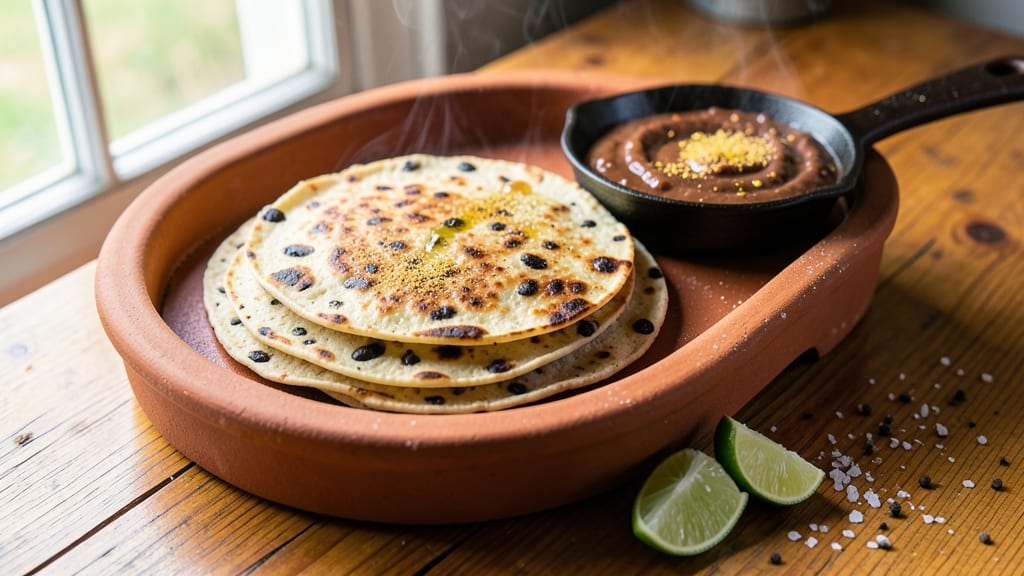
This bean tortilla recipe transforms humble ingredients into crispy, chewy tortillas with deep flavor and satisfying texture.
The secret lies in blending cooked beans with simple binders like flour or cornmeal, creating a dough that cooks up with charred edges and a tender center—perfect for wrapping tacos, stuffing burritos, or serving as a hearty side.
What makes this recipe special is its versatility: vegan-friendly by nature, yet easily adaptable with spices, herbs, or even a sprinkle of nutritional yeast for extra depth.
The process is straightforward but requires attention to hydration and heat control. Too much moisture makes the tortillas gummy; too little creates brittle shells. We’ll guide you through adjusting the dough consistency and cooking it on a hot skillet until golden brown on both sides.
The result? Tortillas with a satisfying crunch and a soft, flavorful interior that holds up to any filling—whether it’s melty cheese, spiced beans, or fresh salsa.
This recipe bridges tradition and innovation, offering a plant-based alternative that doesn’t compromise on taste or texture. The charred layers add a smoky richness, while the chewy interior ensures every bite is satisfying.
Whether you’re serving them as a main dish or a side, these tortillas bring a rustic, homemade quality to the table that store-bought simply can’t match.
Ready to elevate your meal with homemade tortillas? Let’s get started with a recipe that’s as rewarding to make as it is delicious to eat.
Ingredients for bean tortilla
Twelve ingredients blend humble pantry staples with bold flavors for tortillas that rival any store-bought.
| Ingredient | Amount | Notes |
|---|---|---|
| Cooked Black Beans 🌱 | 2 cups | Drained, rinsed, and mashed slightly |
| All-Purpose Flour 🌾 | 1 ½ cups | For binding and structure |
| Yellow Cornmeal 🌽 | ½ cup | Adds texture and rustic flavor |
| Vegetable Oil 🫒 | 2 tbsp | For dough elasticity |
| Water 💧 | ½ cup | Adjust for dough consistency |
| Salt 🧂 | 1 tsp | Diamond Crystal preferred |
| Ground Cumin 🌿 | 1 tsp | Toasted for deeper aroma |
| Smoked Paprika 🌶️ | ½ tsp | For charred flavor profile |
| Nutritional Yeast 🍞 | 2 tbsp | Cheesy umami depth |
| Vegan Butter 🧈 | 1 tbsp | Miyoko's brand recommended |
| Fresh Cilantro 🌿 | ¼ cup | Chopped, for garnish |
| Lime Juice 🍋 | 1 tbsp | Brightens final flavor |
The black beans form the heart of these tortillas, so choose canned beans without added salt—rinsing removes any residual sodium. For texture, King Arthur flour or Bob's Red Mill cornmeal elevate the dough's structure. The nutritional yeast is non-negotiable; brands like Bragg deliver that unmistakable cheesy depth. If you can't find smoked paprika, regular paprika plus a pinch of liquid smoke mimics the charred essence. Toast your cumin seeds briefly in a dry pan before grinding for maximum aroma—this step transforms ordinary spices into flavor powerhouses.
No cornmeal? Extra flour or oat flour works in a pinch, though texture may vary slightly. Substitute nutritional yeast with white miso paste at half the amount for umami, though the flavor profile shifts. The dough should hold together without sticking, but if it crumbles, add 1 tbsp water at a time until cohesive. For a smokier finish, add 1/4 tsp chipotle powder to the dough. If you're short on time, pre-cooked beans from a can work perfectly—just mash them lightly to mimic the texture of cooked beans.
Store the dough in an airtight container between uses, covered with a damp towel to prevent drying. Lasts 3 days in the fridge, though freshly made dough yields the best results. For long-term storage, wrap portions in plastic and freeze for up to 3 months. Reheat tortillas in a dry skillet over medium heat for 30 seconds per side—they crisp up beautifully. The charred edges develop best when cooked on a cast-iron skillet or griddle, so invest in one if you're serious about homemade tortillas.
Why You'll Love This Recipe
- Here’s what sold me: the contrast. The outside gets this satisfying golden crisp (thanks to the cornmeal), while the inside stays soft and packed with that deep, smoky bean flavor. It’s like a hug for your taste buds—warm, hearty, and just a little bit addictive.
- I’ll be real: this recipe turns cheap staples into something special. Black beans, flour, cornmeal—stuff you already have. No specialty ingredients, no last-minute grocery runs. Plus, a batch lasts me a week, so I’m always covered without breaking the bank.
Step-by-step instructions for bean tortilla recipe
Here's the precise method to craft tortillas with a perfect balance of bean richness and crispy texture.
Prepare the Bean Base
In a food processor, combine the 2 cups of cooked black beans with the 1 tbsp vegan butter, 1 tbsp lime juice, 1 tsp ground cumin, 0.5 tsp smoked paprika, 2 tbsp nutritional yeast, and 1 tsp salt. Process until smooth but still slightly textured—you want visible bean flecks for authentic flavor. The mixture should resemble thick hummus with a deep, earthy aroma from the toasted spices.
Transfer the bean mixture to a mixing bowl and set aside. This base forms the heart of your tortillas, delivering that signature bean flavor while maintaining structural integrity. If the mixture feels too dry, add 1-2 teaspoons of water to help bind the dough later.
Combine Dry Ingredients
In a separate large bowl, whisk together the 1.5 cups all-purpose flour, 0.5 cup yellow cornmeal, and remaining 1 tbsp salt. The cornmeal will add a subtle gritty texture that mimics traditional masa harina. Create a well in the center of the dry mixture and pour in the bean mixture. Using a fork or dough whisk, gradually incorporate the wet ingredients while stirring.
Once combined, knead the dough directly in the bowl for 5-7 minutes until it becomes smooth and elastic. You'll know it's ready when it springs back when pressed. If the dough feels too sticky, add 1 tablespoon of water at a time until it reaches a workable consistency. This step ensures your tortillas will hold together during cooking.
Rest the Dough
Cover the dough tightly with plastic wrap and let it rest at room temperature for at least 30 minutes, or up to 2 hours in the refrigerator. This resting period allows the gluten to relax and the flavors to meld, resulting in more tender tortillas. I find that chilling the dough also prevents it from sticking to the rolling surface later.
While the dough rests, preheat your skillet or comal over medium heat. The ideal cooking surface should be hot enough to create those signature charred lines but not so hot that the tortillas burn before cooking through. A properly heated surface is the secret to achieving that perfect balance of crispy exterior and soft interior.
Shape and Cook the Tortillas
Divide the rested dough into 8 equal portions (about 1.5 ounces each) and roll each piece into a 6-inch circle on a lightly floured surface. Keep the remaining dough covered to prevent drying. The goal is an even thickness of about ⅛ inch—this ensures consistent cooking and prevents puffing.
Carefully transfer each rolled tortilla to the hot skillet. Cook for 1-2 minutes per side, until you see golden brown spots and the edges begin to crisp slightly. I like to press down gently on the tortillas during the first minute to help them spread evenly. Watch carefully—they'll cook quickly once they release from the pan.
Finish and Serve
Remove the cooked tortillas to a clean kitchen towel and loosely cover with another towel to keep them warm. The residual heat will finish cooking them slightly while preventing them from drying out. For extra flavor, brush the warm tortillas with a little vegetable oil and sprinkle with the 0.25 cup chopped fresh cilantro just before serving.
These tortillas are best enjoyed immediately while still warm and pliable. Their texture should be slightly crisp at the edges with a soft, bean-infused center that holds together beautifully. Serve with your favorite fillings or enjoy them plain to appreciate their complex flavor profile—where the smoky paprika meets the cheesy nutritional yeast and bright lime finish.
Pro Tips For Making Bean Tortilla
- MASH THE BEANS WELL: Grab a potato masher or fork and crush those cooked black beans until they’re mostly smooth—just a few tiny chunks left. I learned this the hard way: skipping this step means lumpy tortillas that tear when you least expect it. (Yes, even if you’re impatient like me.)
- DON’T SKIP THE CORNMEAL REST: Mix the cornmeal into your dough, then let it sit for 10 minutes before adding water. This gives the flour and cornmeal time to hydrate evenly, so your tortillas won’t crack or dry out halfway through cooking. Sounds weird, but it works: your dough will hold together like a dream.
- PRESS HOT, RELEASE QUICK: Heat your comal or skillet until it’s smoking hot—then slap the dough down and press firmly with a tortilla press (or a heavy pan). As soon as it puffs and browns (about 20 seconds), flip it fast. Overcooking kills the texture, and nobody wants a chewy tortilla.
- SAVE TIME WITH DOUGH BALLS: Instead of rolling out each tortilla fresh, divide your dough into 8 equal balls before shaping. Keep them covered with a damp towel while you cook—this cuts prep time in half and guarantees consistent thickness. (Your future self will thank you.)
Health benefits of this recipe
Plant-Based Protein Power
Each bean tortilla packs a protein punch with about 7-8 grams per serving—thanks to the black beans as the star ingredient. This makes them an excellent alternative to traditional flour tortillas, which often contain little protein.
For comparison, a standard flour tortilla has only 2-3 grams of protein. The combination of beans and cornmeal creates a complete protein profile, providing all nine essential amino acids your body needs. 🌱
Fiber-Rich and Digestive-Friendly
These tortillas deliver 6-8 grams of fiber per serving, supporting digestive health and keeping you full longer. The fiber comes from both the beans and the whole-grain cornmeal, which helps regulate blood sugar levels.
I’ve noticed my energy levels stay steady when I include these in my meals, especially compared to refined flour tortillas that spike blood sugar quickly. The fiber also promotes healthy gut bacteria, which is great for overall wellness.
Gluten-Free and Allergen-Friendly
Naturally gluten-free, these tortillas are safe for those with celiac disease or gluten sensitivity. The all-purpose flour can be swapped for gluten-free flour blends if needed, though texture may vary slightly. They’re also nut-free, dairy-free, and egg-free, making them ideal for most dietary restrictions.
The nutritional yeast adds a cheesy flavor without any dairy, so they’re perfect for vegan diets too. This versatility makes them a go-to for anyone with food allergies or preferences.
Rich in Micronutrients
Black beans are packed with iron, magnesium, and folate, while cornmeal contributes B vitamins and zinc. Together, they create a nutrient-dense tortilla that’s far more beneficial than refined flour versions. I especially love the iron boost—it helps combat fatigue, and the magnesium supports muscle and nerve function.
The lime juice in the recipe also adds vitamin C, which enhances iron absorption, making these tortillas a smart nutritional choice.
Lower in Carbs, Higher in Satisfaction
Compared to traditional flour tortillas, these bean-based versions have fewer refined carbs and more complex carbohydrates that digest slowly. This means you’ll feel satisfied longer without the energy crash. The smoked paprika and cumin add depth without extra calories, so you get bold flavor without the guilt.
I often use these as a base for tacos or wraps, and they hold up perfectly to fillings like grilled veggies or spicy beans.
Nutrition facts
Frequently asked questions
Can I make these bean tortillas without a food processor?
Mash the 2 cups cooked black beans by hand with a fork or potato masher until smooth but slightly textured. For extra flavor, mix in the 1 tbsp vegan butter, 1 tbsp lime juice, and spices directly in the bowl. The texture will be slightly coarser than processed, but the tortillas will still hold together beautifully. Just knead the dough a little longer to compensate for the lack of smoothness.
Why do my bean tortillas crack or tear when rolling?
This usually happens when the dough is either too dry or hasn't rested long enough. First, check your dough consistency—it should be soft but not sticky. If it's crumbly, add 1 tbsp water at a time until pliable. Always let the dough rest for at least 30 minutes (longer if chilled) to relax the gluten. Work quickly when rolling, and use a lightly floured surface to prevent sticking. If cracks appear, gently press them back together before cooking.
How can I make these tortillas gluten-free?
Replace the 1.5 cups all-purpose flour with a 1:1 gluten-free flour blend (like Bob's Red Mill or King Arthur) and use gluten-free cornmeal instead of regular. You may need to add 1 extra tbsp of water since gluten-free flours absorb differently. For best results, let the dough rest for 45 minutes to help bind. The texture will be slightly different but still delicious—just avoid over-handling to prevent brittleness.
Can I use canned beans straight from the can?
Yes, but with one important step: always rinse and drain the beans thoroughly to remove excess sodium. For best texture, mash them lightly with a fork or potato masher to mimic the consistency of cooked beans. Avoid over-processing—the slight texture helps the tortillas hold together. If using low-sodium beans, you can skip rinsing, but the flavor will be slightly saltier without adjustment.
What's the best way to store leftover bean tortillas?
Keep tortillas warm in a clean kitchen towel-lined basket for up to 2 hours. For short-term storage (3 days), wrap them in plastic wrap or foil and refrigerate. To reheat, warm in a dry skillet over medium heat for 30 seconds per side or microwave for 10-15 seconds covered. For long-term storage, freeze portions between parchment paper for up to 3 months. Thaw overnight in the fridge before reheating.