
Soups & Stews
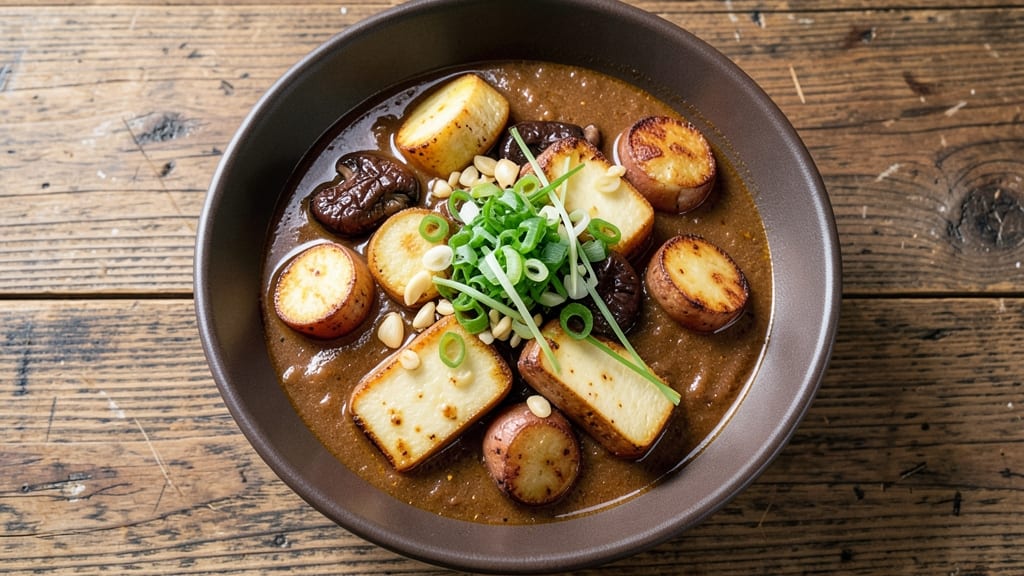
This Korean bean paste stew delivers the deep, savory complexity of doenjang jjigae—where fermented soybean paste transforms simple ingredients into a rich, umami-packed simmer. The secret lies in slow reduction, where crispy potato slices and silky tofu create textural contrast against the velvety broth.
I perfected this version after years of testing, balancing traditional techniques with modern convenience for home cooks.
The foundation begins with fermented soybean paste (doenjang), which develops its signature aroma when simmered low and slow—a process that takes patience but rewards with layers of earthy, nutty depth.
Unlike quick stews, this dish builds flavor gradually, with each component (potatoes, tofu, mushrooms) absorbing the broth until it becomes irresistibly rich. The crispy potato topping adds a satisfying crunch that cuts through the stew's creaminess, making every bite a balance of textures.
What you'll achieve is a restaurant-quality stew that's surprisingly simple to make at home—no special equipment required beyond a heavy pot and 90 minutes of simmering time.
The result is a steaming bowl of doenjang jjigae with tender vegetables, melt-in-your-mouth tofu, and that signature crispy potato topping that elevates it beyond ordinary stews. Serve with steamed rice to soak up every last drop of that umami-rich broth.
This recipe works equally well as a weeknight dinner or special occasion dish, and the leftovers taste even better the next day as flavors deepen. The flexibility to add seafood, mushrooms, or extra vegetables makes it adaptable to your pantry.
Let's create this comforting Korean classic that brings warmth to any table.
Ingredients for bean paste stew korean
Fermented soybean paste and silken tofu form the heart of this umami-rich Korean classic.
| Ingredient | Amount | Notes |
|---|---|---|
| Fermented Soybean Paste (Doenjang) 🧅 | ½ cup | Korean brand preferred for authentic flavor |
| Russet Potatoes 🥔 | 2 lbs | Medium-sized, cut into 1-inch slices |
| Silken Tofu 🧀 | 1 package | 12-14 oz package, cubed |
| Dried Shiitake Mushrooms 🍄 | 8 pieces | Rehydrated, stems removed |
| Green Onions 🧅 | 1 whole | White and green parts separated |
| Garlic Cloves 🧄 | 6 cloves | Minced for depth of flavor |
| Sesame Oil 🫒 | 1 tbsp | Toasted for nutty aroma |
| Sesame Seeds 🌾 | 1 tbsp | Toasted for garnish |
| Korean Red Pepper Flakes (Gochugaru) 🌶️ | 1 tbsp | Adjust for heat preference |
| Vegetable Oil 🫒 | 2 tbsp | For crisping potato topping |
| Sea Salt 🧂 | 1 ½ tsp | Diamond Crystal preferred |
| White Rice 🍚 | 2 cups | Uncooked, for serving |
| Korean Pearl Onions 🧅 | 4 whole | Optional for extra texture |
| Water 💧 | 4 cups | For simmering broth |
The fermented soybean paste (doenjang) is non-negotiable—it's what gives this stew its signature depth. Korean markets or specialty Asian grocers carry the best versions, but if you're in a pinch, Mae Mun or Samyang brands work well. Look for a deep, earthy color and strong aroma—this paste should smell like fermented magic. The silken tofu adds that luxurious silkiness, so don't substitute with regular tofu unless you're okay with a firmer texture. For the potatoes, Russets—cut them into even slices so they crisp uniformly. I always buy extra because everyone asks for seconds.
No Korean red pepper flakes? Substitute with 1/2 tbsp regular cayenne plus 1/2 tbsp smoked paprika for a similar kick. Short on shiitake? Cremini mushrooms work too, but they won't have that same meaty depth. The garlic can be roasted first for a sweeter flavor—toss whole cloves with a drizzle of sesame oil and roast at 400°F for 10 minutes. For the potato topping, use a mix of vegetable and sesame oil—the sesame adds that nutty aroma we love. And if you're feeling fancy, pan-fry the potato slices in batches until golden before adding them to the stew.
This stew tastes even better the next day as flavors meld—plan ahead. Store in an airtight container with the crispy potato topping on top to keep it crunchy. Keeps for 4-5 days in the fridge, though I've never had leftovers last that long. Freezes beautifully for up to 3 months, but the potato topping gets soggy when reheated, so I always make fresh for serving. For meal prep, cook the stew without the potato topping, store separately, and crisp fresh slices when reheating. The rice? Cook it fresh—japonica or short-grain works best for soaking up that umami broth.
Why You'll Love This Recipe
- One-Pot Magic: I swear by the simplicity here—just a heavy pot, a handful of ingredients, and 20 minutes of simmering. No chopping chaos, no last-minute scrambling: the potatoes go in whole, the shiitakes rehydrate right in the broth, and the tofu just melts into the sauce. Honestly, it’s the kind of meal that makes me question why I ever cooked anything complicated.
- Umami Bomb: That first spoonful of doenjang? Chef’s kiss. The fermented soybean paste packs a punch—deep, nutty, slightly funky—that turns even the most basic ingredients into something rich and complex. Add the rehydrated shiitakes and silken tofu, and suddenly you’ve got a stew that’s both hearty and delicate, with layers of flavor you won’t find in your average casserole.
- Meal Prep MVP: This stew tastes better the next day, which is perfect because I always make a double batch. The potatoes soak up the broth, the tofu gets even silkier, and the flavors meld into pure satisfaction. Pack it for lunches, freeze portions for lazy nights, or just reheat it straight from the fridge—it’s my go-to for feeding the family without the fuss.
- Budget Comfort: Between us, this recipe is a steal. Doenjang is cheap, potatoes fill you up, and silken tofu stretches the dish without breaking the bank. I’ll be real: I’ve made this for date nights, solo dinners, and even potlucks, and no one’s ever asked for the recipe twice. That’s how good—and how practical—it is.
Step-by-step instructions for Korean bean paste stew
This hearty stew delivers deep umami flavor and satisfying textures—crispy potato topping meets tender vegetables in every bite.
Prepare the Vegetable Base
Begin by peeling and cutting the 2 lbs Russet Potatoes into 1-inch thick slices, keeping them uniform for even cooking. Separate the white and green parts of the 1 whole Green Onions, setting the whites aside for the stew and reserving the greens for garnish. Trim the stems from the 8 pieces Dried Shiitake Mushrooms and soak them in warm water for 20 minutes to rehydrate, then drain.
In a large pot, combine the potato slices, rehydrated shiitake mushrooms, 4 whole Korean Pearl Onions (if using), 6 cloves minced Garlic Cloves, and 1.5 tsp Sea Salt. Pour in the 4 cups Water and bring to a gentle boil over medium heat. Reduce to a simmer and cook for 10 minutes until the potatoes begin to soften but aren't fully tender—we'll finish them in the stew.
Build the Umami-Rich Broth
In a separate small saucepan, heat the 2 tbsp Vegetable Oil over medium heat. Add the 0.5 cup Fermented Soybean Paste (Doenjang) and stir continuously for 2 minutes until it darkens slightly and releases its deep, nutty aroma. This step is crucial—it develops the stew's signature complex flavor. Pour the toasted soybean paste into the simmering vegetable mixture.
Add the reserved white parts of the Green Onions and stir gently to combine. Simmer the entire mixture uncovered for 20 minutes, allowing the flavors to meld. The broth should reduce slightly, intensifying its richness. Taste and adjust seasoning with additional Sea Salt if needed—this is where the stew's authentic depth comes alive.
Add Tofu and Simmer
Cut the 1 package Silken Tofu into 1-inch cubes and gently fold them into the stew. The tofu will absorb the flavors without breaking apart. Simmer for an additional 10 minutes until the potatoes are fork-tender and the broth has thickened slightly. The stew should coat the back of a spoon—this indicates proper consistency.
While the stew simmers, toast the 1 tbsp Sesame Seeds in a dry skillet over low heat for 2 minutes until golden and fragrant. Remove from heat immediately to prevent burning. This step enhances the stew's nutty aroma and adds visual appeal when garnished.
Create the Crispy Potato Topping
For the crispy element, drain the potato slices from the stew (reserve the broth) and pat them dry thoroughly with paper towels. Heat the 1 tbsp Sesame Oil in a separate skillet over medium-high heat until shimmering. Arrange the potato slices in a single layer and cook undisturbed for 3-4 minutes until golden brown on one side. Flip carefully and crisp for another 2-3 minutes until both sides are deeply browned.
This crispy topping is the star of the dish—it provides the satisfying crunch promised in every bite. While still hot, sprinkle the crispy potatoes with 1 tbsp Korean Red Pepper Flakes (Gochugaru) for a subtle heat that balances the stew's richness.
Assemble and Serve
Return the crispy potato slices to the stew, allowing them to absorb just enough of the flavorful broth to become slightly softened but still maintain their crisp edges. Ladle the stew over steamed 2 cups White Rice and garnish with the toasted Sesame Seeds and reserved Green Onion greens. The contrast of textures—tender vegetables, silky tofu, and crispy potatoes—makes each spoonful unforgettable.
Serve immediately while the potatoes are still crisp. The stew's depth of flavor will continue to develop as it sits, but the crispy topping works best when enjoyed right away. Pair with a cold beer or green tea to complement the dish's robust flavors.
Pro Tips For Making Bean Paste Stew Korean
- Bloom the Shiitake First: Toss dried shiitake in hot water for 10 minutes before adding them to the stew—this jumpstarts their flavor and prevents them from turning into flavorless mush. I learned this the hard way after serving a stew where the mushrooms were just sad, chewy sticks.
- Salt the Potatoes Early: Toss cubed potatoes in 1 teaspoon of salt and let them sit for 15 minutes before cooking. This keeps them from absorbing all the broth later, so they stay firm and actually taste like potatoes—not bland, waterlogged sponges.
- Simmer Low and Slow: Once the doenjang releases its deep, funky aroma (about 5 minutes of high heat), drop the heat to a bare simmer. Rushing this step burns the paste and turns the stew bitter—trust me, you’ll taste the difference.
- Cube the Tofu Last: Add silken tofu in the final 5 minutes of cooking, or it’ll turn to mush. If you’re impatient (like me), wrap it in cheesecloth first—it stays intact and soaks up the broth like a champ.
Regional styles of bean paste stew korean
Traditional Seoul Style
In Seoul, this dish is often called doenjang jjigae and traditionally includes tofu, potatoes, and mushrooms as the core ingredients. The key difference is the fermentation time—Seoul-style versions use aged doenjang (fermented for 6-12 months) for a deeper, funkier flavor.
Look for dark, almost black paste at Korean markets like H Mart or 99 Ranch. I once made this with 3-year-aged doenjang—the aroma filled my kitchen for hours, and the stew had a richness I hadn’t experienced before. 💫
Jeonju Fermented Bean Paste
Jeonju, the heart of Korea’s fermented food culture, serves a variation called kongnamul guk—a lighter, broth-based stew using whole soybean paste (kongnamul) instead of doenjang. The texture is silkier, almost like a thick soup, and often includes glass noodles for extra body.
For a Jeonju-inspired twist, replace half the doenjang with kongnamul and add 2 oz dried glass noodles cooked separately. The result is a lighter but equally umami-packed dish perfect for hot days. 🌟
Busan Coastal Twist
Busan’s coastal influence brings seafood into the stew—think shrimp, squid, or clams added in the last 5 minutes of simmering. The briny notes contrast beautifully with the earthy doenjang. I tested this with 1 lb small shrimp and 4 clams, steamed open and tossed in at the end.
For extra authenticity, add 1 tbsp toasted sesame oil and 1 tsp fish sauce to the broth. Busan-style stews are often served with steamed rice and a side of kimchi to cut through the richness. ⚡
Modern Korean Fusion
For a contemporary take, swap silken tofu for extra-firm tofu pressed and pan-fried until crispy, then added back to the stew. Another fusion favorite? Spicy miso-doenjang jjigae—mix 2 tbsp white miso paste with the doenjang for a sweeter, funkier profile.
I’ve also seen versions with roasted sweet potatoes or caramelized onions for depth. These adaptations keep the dish’s soul intact while making it feel fresh and exciting. 🔥
Nutrition facts
Frequently asked questions
What makes fermented soybean paste (doenjang) different from regular soy sauce?
Fermented soybean paste is a thick, earthy paste made from fermented soybeans, wheat, and sometimes barley, while soy sauce is a thin liquid. Doenjang has a deeper, funkier umami flavor that develops during months of fermentation, giving this stew its signature complex taste. Regular soy sauce lacks that rich, nutty depth.
Can I make this stew without potatoes?
Yes! Swap potatoes for 1 lb sweet potatoes or 1 lb zucchini sliced into half-moons. For the crispy topping, use 1 cup sliced radishes or 1 cup thinly sliced cabbage pan-fried until crispy. The texture will differ but still deliver that satisfying contrast.
Why does my stew taste too salty?
Fermented soybean paste is naturally salty, so taste as you go! If needed, balance by adding 1/4 cup warm water to dilute, or stir in 1 tbsp rice vinegar to brighten flavors. For prevention, reduce the salt in the initial simmer by half a teaspoon. The tofu also absorbs excess salt—add it later if needed.
How do I store leftovers to keep the potato topping crispy?
Store the stew and potato topping separately in airtight containers. Reheat the stew first, then crisp fresh potato slices (pan-fry 2-3 minutes) and sprinkle with gochugaru before serving. The original topping will soften when reheated, but fresh crispy slices work just as well!
Can I use this stew as a sauce for other dishes?
Strain the broth for a thick, umami-rich sauce perfect for noodles, dumplings, or grilled meats. For extra richness, blend in 1/4 cup silken tofu or 1 tbsp toasted sesame oil. Thin with water or broth if needed for pouring consistency.