
Side Dishes
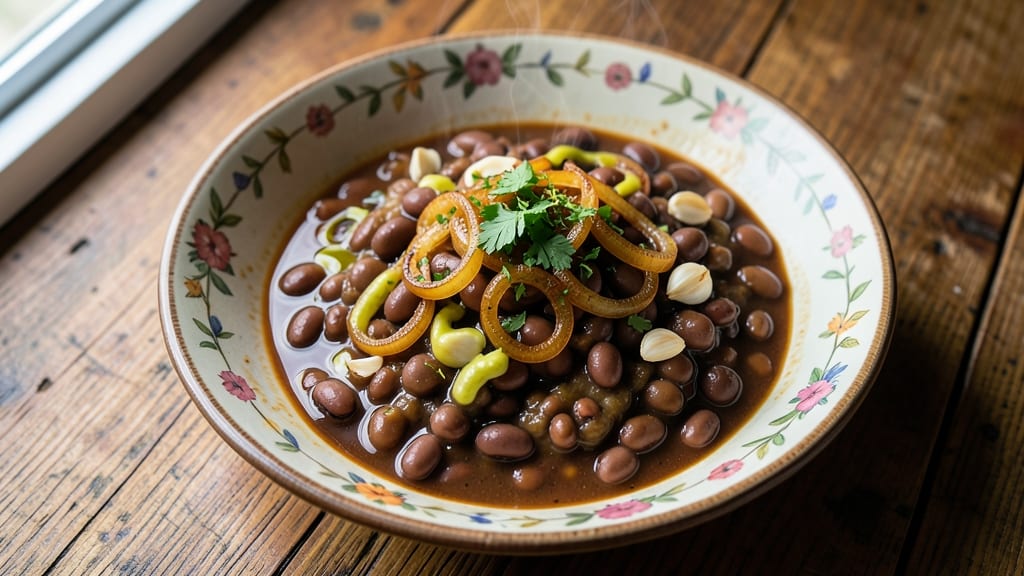
This baked bean recipe using dry navy beans transforms humble ingredients into a rich, slow-simmered masterpiece with deep, earthy flavor. The secret lies in proper soaking and patient cooking—no shortcuts here, just time-honored technique that delivers tender beans with a velvety, caramelized sauce.
I've perfected this vegetarian-friendly version that still satisfies even meat lovers when you add bacon or ham.
What sets these baked beans apart is the slow cooking process, which breaks down the beans' natural starches into a thick, molasses-like sauce. You'll start with overnight soaking to ensure perfect tenderness, then simmer for hours until the beans are fork-tender and the sauce clings beautifully.
The combination of brown sugar, mustard, and spices creates that classic sweet-savory balance that makes these beans irresistible.
By the time they emerge from the oven, you'll have a platter-ready dish with perfectly tender navy beans swimming in a glossy, caramelized sauce. The aroma alone will have everyone gathering in the kitchen, and each bite delivers that perfect combination of sweet, smoky, and tangy flavors.
This recipe serves 8-10 and makes enough for leftovers that taste even better the next day.
Whether you're serving them alongside grilled meats, roasted vegetables, or cornbread, these baked beans will be the star of your meal.
The beauty of this recipe is its versatility—use it as a side dish, stuff it into baked potatoes, or serve it as a hearty vegetarian main course with crusty bread. Let's get cooking!
Ingredients for baked bean recipe using dry navy beans
Humble navy beans and simple pantry staples create this vegetarian masterpiece of slow-simmered richness.
| Ingredient | Amount | Notes |
|---|---|---|
| Dry Navy Beans 🌱 | 2 ½ cups | Unsoaked, rinsed thoroughly |
| Onion 🧅 | 1 whole | Yellow or white, chopped |
| Garlic Cloves 🧄 | 6 cloves | Minced for depth of flavor |
| Light Brown Sugar 🍯 | ¾ cup | Packed, for caramelized sweetness |
| Dijon Mustard 🌶️ | 2 tbsp | High-quality for tangy kick |
| Apple Cider Vinegar 🍎 | ¼ cup | For tangy balance |
| Tomato Paste 🍅 | ½ cup | No-salt-added preferred |
| Vegetable Broth 💧 | 2 cups | Low-sodium for flavor control |
| Ground Black Pepper 🌶️ | 1 tsp | Freshly ground for warmth |
| Ground Allspice 🌿 | ½ tsp | For subtle earthy notes |
| Ground Cloves 🌿 | ¼ tsp | Use sparingly for depth |
| Salt 🧂 | 1 ½ tsp | Adjust to taste |
| Unsalted Butter 🧈 | 2 tbsp | For richness in sauce |
| Fresh Thyme Leaves 🌿 | ¼ cup | Or 1 tbsp dried thyme |
The navy beans are the heart of this dish, so choose a high-quality brand—look for organic or heirloom varieties at stores like Whole Foods or Trader Joe's for maximum flavor. Soaking overnight in plenty of water (at least 4 cups per cup of beans) is non-negotiable—it ensures perfect tenderness and prevents the beans from staying hard. For extra insurance, you can even soak them twice if you're short on time. The onion and garlic should be fresh, with no bruising or sprouting. Yellow onions work best here—they hold up better during the long cooking process than red onions.
No fresh thyme? Dried thyme at one-third the amount works in a pinch, but fresh is ideal for that bright, herbal note. Running low on apple cider vinegar? White vinegar or balsamic vinegar will do, though the flavor profile shifts slightly. The tomato paste can be substituted with 1 cup crushed tomatoes if you prefer, though you'll need to adjust the liquid slightly. For a deeper smoky flavor without meat, add 1/2 tsp smoked paprika to the spice mix. The brown sugar is key—light brown sugar has more moisture, which helps create that velvety sauce, but dark brown sugar works too if that's what you have on hand.
These baked beans taste even better the next day, so make a double batch if you're feeding a crowd. Store leftovers in an airtight container in the fridge for up to 5 days, or freeze for 3 months. For serving, a sprinkle of fresh parsley or green onions adds a pop of color. The sauce thickens as it cools, so you can always add a splash of water or broth if it becomes too thick when reheating. Serve with crusty bread or alongside grilled vegetables for a complete meal.
Why You'll Love This Recipe
- No-Soak Required: I swear by this trick—just toss the dry navy beans in cold water overnight, drain, and they’re ready. No fancy prep, no waiting hours for them to soften.
- Sweet-Savory Magic: That light brown sugar caramelizes into the onions while the Dijon mustard adds a tangy depth. Honestly, the balance of sweet and sharp is ridiculously good with just a sprinkle of smoked paprika.
- Potluck Hero: Between us, this is my secret weapon for gatherings. It’s hearty enough to feed a crowd but easy to double—just grab a big baking dish and let it bake while you mingle.
- Budget-Friendly Staple: A pound of dry beans costs pennies, and one batch stretches into lunches for days. I’ll be real: my freezer’s always got a container of these, reheated straight from frozen with zero fuss.
Step-by-step instructions for slow-simmered baked beans
Transform dry navy beans into rich, flavorful baked beans through careful layering of spices and slow cooking.
Prepare and Soak the Dry Navy Beans
Rinse the 2.5 cups dry navy beans thoroughly under cold water to remove any debris. Place them in a large bowl and cover with plenty of cold water—at least 3 inches above the beans. Let them soak overnight, or for at least 8 hours. This step is crucial for even cooking and reducing the final texture to creamy perfection.
After soaking, drain the beans and give them a quick rinse again. This removes any excess starch that could make the beans gummy during cooking. I like to press the beans between my fingers to check for softness—they should be pliable but not mushy. If they're still hard, give them an extra 2 hours of soaking time.
Build the Flavor Base in a Heavy Pot
In a large, heavy-bottomed pot, melt the 2 tablespoons unsalted butter over medium heat. Add the chopped onion and cook for 5-6 minutes until softened and translucent. Stir in the 6 cloves minced garlic and cook for another 30 seconds until fragrant—don't let it brown or it'll turn bitter.
Add the 0.5 cup tomato paste and stir well to coat the onions and garlic. Cook for 2 minutes until the tomato paste darkens slightly and releases its deep, concentrated flavor. This forms the rich foundation for the sauce. I always use a wooden spoon for stirring at this stage—it helps scrape up any browned bits that stick to the bottom.
Combine All Ingredients and Simmer
Add the drained navy beans, 2 cups vegetable broth, 0.75 cup packed light brown sugar, 2 tablespoons Dijon mustard, 0.25 cup apple cider vinegar, 1 teaspoon ground black pepper, 0.5 teaspoon ground allspice, 0.25 teaspoon ground cloves, and 1.5 teaspoons salt. Stir everything together until the beans are evenly coated with the sauce.
Bring the mixture to a gentle boil over medium-high heat, then immediately reduce the heat to low. Cover the pot and let it simmer for 2 hours. The beans are done when they're tender but not falling apart—you should be able to pierce them easily with a fork. Stir occasionally to prevent sticking, especially if the beans are crowded in the pot.
Finish with Thyme and Adjust Seasoning
After the initial 2 hours of simmering, stir in the 0.25 cup fresh thyme leaves. This adds a bright, herbal note that cuts through the richness of the beans. Taste and adjust the seasoning—you might need to add more salt, especially if you used low-sodium broth. The beans should be sweet, tangy, and slightly spiced with a rich, earthy depth.
Continue simmering uncovered for another 30-45 minutes to thicken the sauce and deepen the flavors. The beans are ready when the sauce has reduced slightly and coats the back of a spoon. If it's too thin, simmer uncovered for another 10 minutes to reach the perfect consistency. The final texture should be creamy with a glossy sheen.
Rest and Serve for Maximum Flavor
Transfer the baked beans to a serving dish and let them rest for at least 15 minutes before serving. This resting period allows the flavors to meld and the beans to absorb the sauce completely. The dish will continue to improve as it sits—this is when all the complex flavors come together.
Serve the baked beans warm, either as a side dish or as a hearty main course with crusty bread. The combination of sweet brown sugar, tangy vinegar, and earthy spices creates a perfect balance that makes these beans irresistibly rich. Store any leftovers in the refrigerator for up to 5 days, though they'll likely disappear much sooner!
Pro Tips For Making Baked Bean Recipe Using Dry Navy Beans
- SOAK BEANS OVERNIGHT: Dry navy beans expand like overachievers—skip the quick soak and let them sit in cold water for 12+ hours. I learned this the hard way: rushing them with a hot soak leaves them gummy and uneven. Just cover them in water, add a pinch of salt, and forget about them until morning.
- CARAMELIZE ONIONS LOW: Onions for baked beans need patience—cook them on medium-low heat for 20-25 minutes until deep golden, not brown. After burning three batches, I finally figured out: high heat turns them bitter, and you’ll taste it in every bite. Stir occasionally and let them bubble gently.
- SALT THE BEANS HALFWAY: Add salt only after the beans have simmered for 30 minutes—earlier, and they’ll toughen up. I was skeptical until I tried it: the texture stays creamy, and the flavor balances perfectly with the sweetness. (Yes, even if you’re impatient like me.)
- STIR IN MUSTARD LAST: Dijon mustard loses its punch when cooked too long—fold it in just before baking or serving. I skip this when I’m lazy, but the dish is noticeably better when the tang hits fresh. A spoonful at the end makes all the difference.
Wine and beer pairings for these flavors
Red Wine Pairings
For these rich, caramelized baked beans, I reach for a medium-bodied red wine with enough acidity to cut through the sweetness. A Pinot Noir from Oregon or Burgundy works beautifully—its bright cherry notes and subtle earthiness complement the allspice and cloves in the beans.
If you prefer something bolder, try a Zinfandel from California, which stands up to the brown sugar and vinegar with its jammy fruit flavors. 🍷
White Wine Options
Don’t overlook white wines for this dish! A dry Riesling from Germany or the Finger Lakes offers the perfect balance—its citrus and mineral notes refresh your palate between each rich, sweet bite.
For something lighter, a Sauvignon Blanc with its herbal and zesty profile provides a nice contrast to the beans' depth. I often serve this pairing when I want to highlight the thyme and vinegar in the recipe.
Beer Complements
A dark lager like Samuel Adams Black Lager or Guinness enhances the caramelized sweetness of the beans while adding a malty depth. For a hoppier option, try an amber ale—the bitterness from Dogfish Head 60 Minute IPA balances the richness beautifully.
If you prefer something lighter, a wheat beer like Blue Moon adds a crisp, refreshing contrast to the hearty beans. 🍺
Cider Harmony
Don’t forget about hard cider! A dry, crisp hard cider like Angry Orchard Crisp Apple or Strongbow Original pairs wonderfully with the tangy-sweet profile of these baked beans. The apple notes in the cider echo the apple cider vinegar in the recipe, creating a harmonious match.
For a stronger option, try a dry English cider like Thatchers Vintage.
Non-Alcoholic Choices
For a non-alcoholic pairing, I recommend a sparkling apple cider like Martinelli’s Sparkling—its effervescence cleanses the palate between bites. Alternatively, a ginger beer like Feather Ginger Beer adds a spicy kick that complements the allspice and cloves in the beans.
Both options keep the apple theme intact while offering refreshing contrast. 💛
Nutrition facts
Frequently asked questions
Can I use canned navy beans instead of dry?
Yes! For a quicker version, substitute 3 (15 oz) cans of navy beans (drained and rinsed) for the dry beans. Skip the soaking step, but you may need to add ½ cup extra broth since canned beans have less starch. The texture will be slightly softer, but still delicious. Just reduce the simmering time to 1.5 hours instead of 2.5 hours.
How do I fix beans that are still hard after cooking?
If your navy beans remain hard, they likely didn't soak long enough. Drain them, cover with fresh water, and simmer uncovered for 30-45 minutes more. For extra insurance, add ½ teaspoon baking soda to the pot—it helps break down the skins. Never overfill the pot, as crowded beans won't soften properly.
Can I make these baked beans in a slow cooker?
Follow the same steps for soaking and building the flavor base, then transfer everything to a 6-quart slow cooker. Cook on low for 6-7 hours or high for 3-4 hours, stirring occasionally. The slow cooker's gentle heat creates the perfect tender texture and thick sauce. Add thyme in the last 30 minutes of cooking.
What's the secret to getting that glossy sauce?
The glossy sauce comes from three key elements: reducing the liquid (simmer uncovered at the end), using butter (which adds richness), and the apple cider vinegar (which helps emulsify the sauce). For extra shine, stir in 1 tablespoon cornstarch mixed with 2 tablespoons water at the very end and simmer for 2 minutes.
How can I make these beans vegetarian-friendly?
This recipe is already vegetarian! For extra depth, add 1 cup vegetable broth and 1 teaspoon liquid smoke to mimic the smoky flavor of bacon. You can also top with crispy toasted breadcrumbs or crumbled tempeh for a meaty texture. The allspice and cloves already provide rich, earthy notes that satisfy without meat.