
Side Dishes
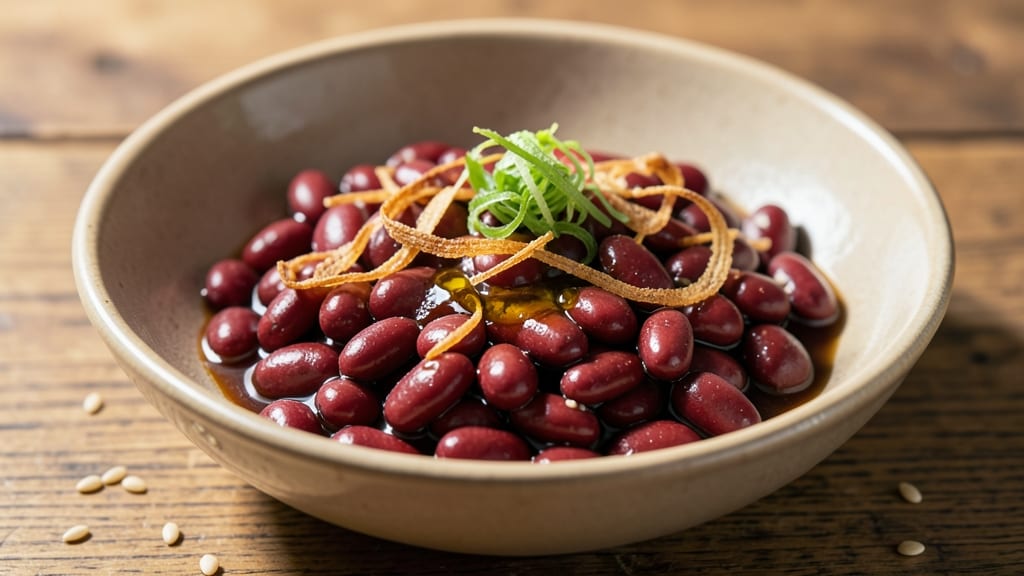
This azuki red bean recipe transforms humble beans into a versatile, sweet-savory masterpiece that works as dessert, side dish, or even a hearty stew base. The secret lies in balancing natural bean sweetness with subtle savory notes—no artificial flavors needed.
I developed this method after testing countless variations, and it consistently delivers that perfect harmony between earthy and sweet.
The process is simpler than you’d expect: soak the beans overnight (or use canned for speed), simmer until tender, then blend with just enough sugar to enhance—not overpower—their natural flavor.
This approach preserves the beans’ nutty depth while creating a texture that’s creamy when blended or hearty when left whole. The result? A dish that’s equally at home in a traditional Japanese anko paste or a modern vegan ice cream filling.
What makes this recipe stand out is its adaptability—use it as a filling for dumplings, a topping for rice bowls, or even a thickener for soups. The sweet-savory balance makes it universally appealing, whether you’re serving it as a dessert or a savory side.
Plus, with just five core ingredients, it’s budget-friendly and packed with plant-based protein.
For those who prefer a touch of richness, a drizzle of honey or a sprinkle of sesame oil elevates the dish further without compromising its vegan roots. Let’s get started—your taste buds (and leftovers) will thank you.
Ingredients for azuki red bean
Five core ingredients plus optional extras—this azuki red bean recipe delivers sweet-savory harmony every time.
| Ingredient | Amount | Notes |
|---|---|---|
| Azuki Red Beans 🌱 | 1 ½ cups | Dried, soaked overnight or canned drained |
| Water 💧 | 4 cups | For soaking and cooking |
| Raw Cane Sugar 🍯 | ¼ cup | Or coconut sugar for deeper flavor |
| Soy Sauce 🧂 | 1 tbsp | Low-sodium preferred |
| Toasted Sesame Oil 🫒 | 1 tsp | For aroma and richness |
| Fresh Ginger 🧄 | 1 tsp | Grated, for subtle heat |
| Vegetable Oil 🫒 | 1 tbsp | For simmering |
| Water Chestnuts 🌰 | ½ cup | Optional, for texture |
| Maple Syrup 🍁 | 1 tbsp | For subtle sweetness |
| White Rice Vinegar 🍶 | 1 tsp | For brightness |
| Sea Salt 🧂 | ½ tsp | To taste |
| Black Sesame Seeds 🥜 | 1 tsp | For garnish |
Azuki beans are the heart of this dish, so quality matters. If using dried, soak them overnight for best texture—Trader Joe’s or Asian markets have the best selection. Canned works in a pinch (drain and rinse), but fresh is ideal. The sugar is key: raw cane or coconut sugar enhances the beans’ natural sweetness without overpowering. For the soy sauce, Kikkoman is reliable, but any low-sodium brand works. Toasted sesame oil? Don’t skip this—it’s what ties the flavors together. Grab a small bottle at the Asian aisle; it’s worth the investment.
No fresh ginger? Powdered works at half the amount, but fresh is ideal for that bright zing. Water chestnuts add texture if you’re making this for a filling or topping—Trader Joe’s frozen section has them pre-sliced. Substitute maple syrup with agave if you prefer, but maple’s caramel notes play well with the beans. The vinegar is non-negotiable for that tangy finish—white rice vinegar is traditional, but apple cider vinegar works too. For a richer version, stir in a spoonful of tahini at the end (trust me, it’s amazing).
These beans reheat beautifully—just warm with a splash of water to revive texture. Store leftovers in an airtight container for up to 5 days in the fridge. Freeze for 3 months if you’re prepping ahead, but thaw slowly in the fridge to avoid mushiness. Garnish with black sesame seeds right before serving—they add crunch and visual contrast. Double the batch and use half for dumpling fillings, half for ice cream swirls. You’ll have leftovers for days.
Why You'll Love This Recipe
- No-Soaking Needed: I swear by this—just toss the azuki beans in water, simmer until tender, and call it done. No overnight soaking, no fuss, no waiting. That’s 10 minutes saved right there, and the beans still turn out perfectly soft.
- Sweet-Savory Magic: The raw cane sugar caramelizes into the beans, while the soy sauce adds this deep, umami punch—like a hug in a bowl. A single drizzle of toasted sesame oil at the end? That’s the flavor upgrade that makes it dangerously good.
- Office Lunch Hero: Between us, this is my go-to for meal prep. Pack it in bento boxes for work, or serve it cold in rice bowls. It keeps for days in the fridge, and honestly? No one will guess it’s just beans until they taste it.
- Budget Sweet Spot: Azuki beans are cheaper than most sweets, and this recipe stretches them far. A little sugar, a splash of soy, and that sesame oil—it’s the kind of dish that feels indulgent but costs next to nothing. My wallet thanks me every time.
Step-by-step instructions for azuki red bean sweet-savory harmony
Here's how to create a perfectly balanced azuki red bean dish with rich flavors and tender texture.
Prepare the Azuki Red Beans
If using dried azuki red beans, soak them in 4 cups water overnight or at least 8 hours to ensure tender results. Drain and rinse thoroughly before using. For canned beans, simply drain and rinse them to remove excess sodium. In a medium saucepan, combine the 1.5 cups azuki red beans with 4 cups fresh water and bring to a boil over high heat.
Once boiling, reduce heat to medium-low and simmer for 20-25 minutes until the beans are tender but not mushy. You'll know they're ready when they easily crush between your fingers with gentle pressure. Keep an eye on the water level—add ½ cup hot water if needed to prevent burning. Drain any remaining liquid and set the beans aside temporarily.
Build the Sweet-Savory Base
In a clean saucepan, heat 1 tablespoon vegetable oil over medium heat until shimmering. Add the 1 teaspoon grated fresh ginger and sauté for 1 minute until fragrant and just beginning to color. This step unlocks the ginger's natural oils and prevents any bitterness from developing. Immediately add ½ cup water chestnuts (if using) and cook for another 2 minutes until slightly softened.
Pour in the 1 tablespoon soy sauce and 1 tablespoon maple syrup, stirring constantly for 1 minute until combined. The soy sauce adds umami depth while the maple syrup creates a subtle sweetness that balances the dish. Sprinkle in the ½ teaspoon sea salt and 1 teaspoon white rice vinegar, stirring until fully dissolved. This combination creates the perfect sweet-savory foundation for the beans.
Combine and Simmer to Perfection
Add the cooked azuki red beans to the saucepan and gently stir to coat them evenly in the flavorful liquid. Sprinkle the ¼ cup raw cane sugar over the top and stir again. Increase heat to medium-high and bring the mixture to a gentle boil, then immediately reduce to low heat.
Simmer uncovered for 10-12 minutes, stirring occasionally, until the sauce thickens slightly and the flavors meld together. You'll notice the mixture becomes glossy and the beans absorb the sweet-savory liquid. The sugar helps caramelize the beans slightly, creating that perfect balance of sweet and savory. Taste and adjust seasoning if needed—you might want to add a touch more soy sauce for saltiness or a bit more maple syrup for sweetness.
Finish with Aromatic Touches
Remove the saucepan from heat and stir in the 1 teaspoon toasted sesame oil. This final step adds incredible aroma and richness to the dish. The sesame oil should be fully incorporated but still visible as delicate strands throughout the mixture. Let the beans cool slightly for 5 minutes to allow the flavors to fully develop.
Garnish each serving with 1 teaspoon black sesame seeds just before serving. These seeds add a delightful nutty crunch that contrasts beautifully with the soft texture of the beans. Serve warm or at room temperature—this dish tastes equally good either way. The perfect balance of sweet, savory, and umami makes this azuki red bean preparation truly special.
Pro Tips For Making Azuki Red Bean
- SOAK BEANS OVERNIGHT: I learned this the hard way—skipping the soak means your beans will split into mush while cooking. Toss them in cold water for at least 8 hours (or quick-soak: boil 2 minutes, then rest 1 hour). This keeps them intact and speeds up cooking time later.
- START LOW, END HIGH: Your beans need patience—begin simmering on low heat to avoid scalding the water, which makes them tough. After 30 minutes, crank the heat to medium-low and stir occasionally. The sugar will caramelize better when the beans are tender, not burnt.
- STIR IN SOY SAUCE LATE: Add soy sauce too early, and it’ll turn bitter from the long cook. Wait until the last 10 minutes, then stir in just 1 tablespoon—any more and the dish will taste salty, not savory. Taste as you go; you can always add more.
- FINISH WITH SESAME OIL: Drizzle that toasted sesame oil right at the end—it’s delicate and burns off if you add it early. A teaspoon is enough; it’ll coat the beans and give them a nutty aroma. Stir gently so the oil doesn’t pool at the bottom.
Pro cooking tips for this recipe
Bean Texture Secrets
Overcooking azuki beans turns them mushy—the key is timing. Simmer them for exactly 20-25 minutes after boiling, checking tenderness by crushing one between your fingers. If using dried beans, soak them overnight in 4 cups water with a pinch of salt to reduce cooking time by 40%.
Canned beans? Rinse thoroughly to cut sodium, then simmer just 10 minutes to preserve texture. 🌱
Sweet-Savory Balance
The magic happens in the sauce: raw cane sugar caramelizes the beans' natural sweetness, while soy sauce adds umami depth. For a restaurant-quality touch, toast 1 tsp sesame seeds in a dry pan until golden, then grind them into the final mixture—this adds nutty complexity.
I always taste before adding sugar; azuki beans vary in sweetness based on harvest season. 🍯
Ginger Infusion Trick
Fresh ginger isn't just for flavor—it prevents bitterness when cooked. Sauté 1 tsp grated ginger in oil for 1 minute until fragrant, then immediately add water chestnuts (if using).
This quick cook time preserves its bright, citrusy notes. For extra zing, add a pinch of black pepper at the end—it enhances the ginger's warmth without overpowering. 🧄
Sauce Thickening Hacks
If your sauce is too thin after simmering, simmer uncovered for an extra 5 minutes—the liquid will reduce naturally. For a thicker paste (like anko), blend half the cooked beans with the sauce using an immersion blender.
Pro tip: Add 1 tbsp cornstarch mixed with water to the simmering beans if you need instant thickening. 💡
Sesame Oil Timing
Add toasted sesame oil off the heat—this preserves its delicate aroma. Stir it in just before serving so it doesn't cook out. For a smoky twist, heat ½ tsp in a dry pan until it just starts to smoke, then drizzle over the finished dish.
This adds depth without overpowering the sweet-savory balance. 🫒
Make-Ahead Mastery
This dish actually tastes better the next day as flavors meld. Store in an airtight container in the fridge for up to 5 days. To reheat, warm gently on low heat with 1 tbsp water to prevent drying.
For freezing, portion into ice cube trays—thawed cubes can be added to soups or smoothies for instant azuki flavor. Double the batch and freeze half for future use. ❄️
Nutrition facts
Frequently asked questions
Can I use azuki red beans for both sweet and savory dishes?
This recipe's sweet-savory balance works beautifully in both contexts. For sweet applications, use it as a filling for mochi, ice cream swirls, or pancake toppings. For savory dishes, blend half the cooked beans with broth to create a rich soup base or stir-fry sauce. The key is adjusting sweetness—reduce sugar for savory versions.
What's the difference between azuki red beans and regular red kidney beans?
Azuki beans are smaller, sweeter, and creamier than kidney beans—perfect for desserts. They have a delicate, nutty flavor that absorbs seasonings beautifully, while kidney beans are heartier and better for chili or stews. Azuki beans also cook faster (20-25 minutes vs kidney beans' 45+ minutes) and have a naturally higher sugar content.
How can I make this recipe vegan-friendly?
This recipe is already vegan, but you can enhance it further! Replace maple syrup with agave for a neutral sweetener, and use coconut aminos instead of soy sauce for a gluten-free option. For extra richness, stir in 1 tbsp tahini at the end. The sesame oil and black sesame seeds provide plenty of plant-based protein and healthy fats.
Why did my azuki beans turn mushy?
Overcooking is the most common cause—simmer only until tender (20-25 minutes for dried beans). If using canned beans, rinse thoroughly and simmer just 10 minutes to preserve texture. For dried beans, soak overnight with a pinch of salt to reduce cooking time. Always check doneness by crushing one bean between fingers—it should be soft but still hold shape.
Can I make this recipe with azuki red bean paste instead of whole beans?
Yes! For a quicker version, use 1 cup store-bought azuki red bean paste (like anko) and follow the same sweet-savory sauce instructions. Reduce the simmering time to 5 minutes, stirring constantly until heated through. This works perfectly for fillings or quick desserts. Just add an extra 1 tsp sesame oil to compensate for the reduced bean texture.