
Soups & Stews
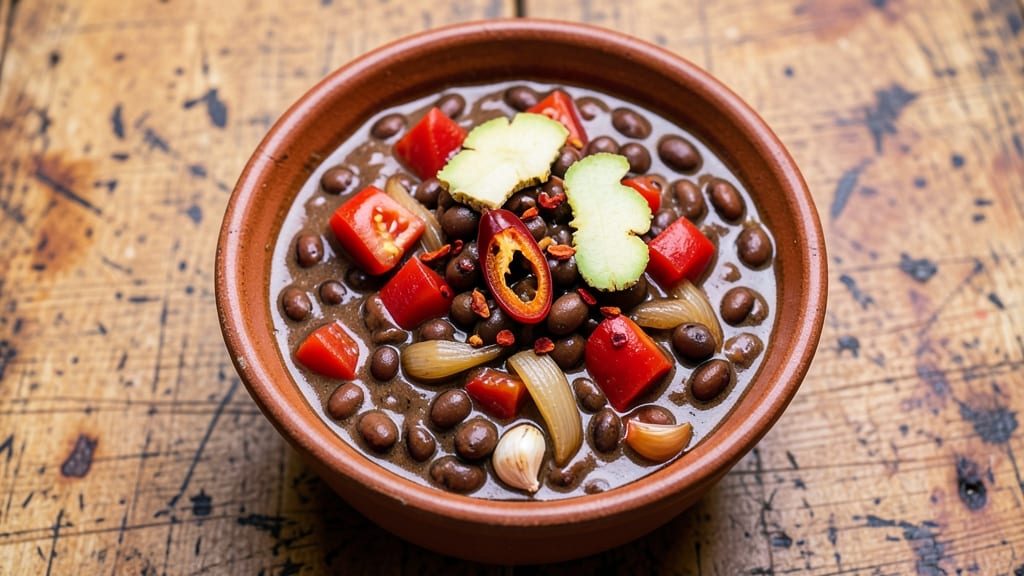
This African bean stew recipe delivers the kind of soul-warming comfort that turns simple weeknights into celebrations. 🌍 The secret lies in slow-simmered beans infused with smoky spices, tomatoes, and aromatic herbs that build depth over time—transforming humble ingredients into a dish that feels like a hug in a bowl.
The beauty of this recipe is its versatility: whether you're using black-eyed peas, cowpeas, or lentils, the technique remains the same. Start with sautéed onions, garlic, and ginger to build a fragrant base, then add tomatoes, Scotch bonnet (or habanero for heat), and traditional spices like thyme and bay leaves.
Let it simmer until the flavors meld into a rich, hearty stew that's perfect for feeding a crowd or meal prepping.
What makes this dish truly special is how it balances earthy, smoky notes with just the right amount of spice. The beans soften into tender perfection while absorbing all those aromatic flavors, creating a texture that's both comforting and satisfying.
Serve it with rice, fufu, or crusty bread to soak up every last drop of that flavorful broth.
This recipe is also incredibly adaptable—whether you're leaning into West African, Ethiopian, or Caribbean influences, the core technique remains the same. Plus, it's naturally vegan-friendly (unless you add meat), making it a great option for plant-based meals. Let's get cooking!
Ingredients for african bean stew
Sixteen ingredients. One pot. A flavor journey that starts with smoky spices and ends with comforting bean perfection.
| Ingredient | Amount | Notes |
|---|---|---|
| Dried Black-Eyed Peas 🌱 | 2 cups | Unsoaked, or 1 can (15 oz) drained |
| Yellow Onion 🧅 | 1 whole | Diced, medium size preferred |
| Garlic Cloves 🧄 | 6 cloves | Minced, fresh preferred |
| Fresh Ginger 🌿 | 1 tbsp | Grated, or 1 tsp ground ginger |
| Canned Diced Tomatoes 🍅 | 2 cans | 28 oz each, fire-roasted preferred |
| Scotch Bonnet Pepper 🌶️ | 1 whole | Seeds removed for less heat |
| Smoked Paprika 🌶️ | 1 tbsp | For authentic smoky flavor |
| Ground Cumin 🌿 | 1 tbsp | Toasted for deeper aroma |
| Dried Thyme 🍃 | 1 tsp | Or 1 tbsp fresh thyme leaves |
| Bay Leaves 🌿 | 2 whole | Remove before serving |
| Vegetable Broth 💧 | 4 cups | Low-sodium preferred |
| Olive Oil 🫒 | 2 tbsp | Extra-virgin for richness |
| Sea Salt 🧂 | 1 ½ tsp | Adjust to taste |
| Black Peppercorns 🌶️ | ½ tsp | Freshly ground preferred |
| Fresh Cilantro 🌿 | ¼ cup | Chopped, for garnish (optional) |
The dried black-eyed peas are the heart of this dish—Bob's Red Mill or Anthony's brands are reliable for quality. For the Scotch bonnet, Caribbean markets or specialty stores like Whole Foods carry the freshest peppers. If you can't find Scotch bonnet, habanero at half the amount works, but reduce the heat by removing seeds. The smoked paprika is non-negotiable for that authentic African flavor—Penzeys or McCormick have great options. Fresh ginger and garlic should be vibrant and aromatic; if they smell dull, they've lost their punch.
No Scotch bonnet? Red pepper flakes at one-third the amount adds heat without the same fruity depth. Fresh thyme is ideal, but dried works at one-third the quantity. The vegetable broth can be homemade or store-bought—Imagine or Pacific Foods are good low-sodium options. For extra richness, add 1 tbsp tomato paste with the diced tomatoes. The olive oil matters here—use something fruity and peppery to complement the smoky spices. If you're short on time, pre-soaked beans cut cooking time by 30 minutes.
This stew tastes even better the next day as flavors meld. Store in an airtight container in the fridge for up to 5 days. For longer storage, freeze portions for 3 months. I like to double the recipe and freeze half—perfect for lazy weeknights. The beans will soften further when reheated, so add a splash of broth if they seem dry. Garnish with fresh cilantro right before serving to keep it vibrant.
Why You'll Love This Recipe
- Foolproof Soak: I swear by the overnight soak—just toss those dried black-eyed peas in water, let them sit, and wake up to a head start. No measuring, no guesswork, just dump-and-go flavor.
- Ginger-Garlic Magic: That fresh ginger and garlic combo? It’s the secret weapon—sizzling in the pot until fragrant, then simmering into the tomatoes until the whole kitchen smells like a West African market. Honestly, the aroma alone makes me want to eat it straight from the pot.
- Leftovers That Beg: This stew tastes better the next day—thicker, richer, and somehow even more comforting. I make a double batch on Sundays and eat it for lunch all week, no excuses.
- Dinner Party Ready: Serve it with rice and a side of greens for a meal that feels special but costs next to nothing. My friends always ask for the recipe, and I never say no—because it’s that good.
Step-by-step instructions for African bean stew
Here's how to create a deeply flavorful, one-pot African bean stew that delivers hearty comfort with every bite.
🍳 Step 1: Sauté the Aromatic Base
Heat the 2 tablespoons olive oil in a large Dutch oven over medium heat until shimmering. Add the diced yellow onion and cook for 5 minutes until softened and translucent. This foundational step builds flavor—don't rush it.
Add the 6 minced garlic cloves and 1 tablespoon grated fresh ginger to the pot. Cook for 1-2 minutes until the garlic becomes fragrant and lightly golden. Be careful not to let it brown—burnt garlic adds bitterness. Here's where the magic begins: stir in the 1 whole Scotch bonnet pepper (seeds removed) and cook for 30 seconds just to release its heat.
🍳 Step 2: Toast the Spices
Add the 1 tablespoon smoked paprika and 1 tablespoon ground cumin to the pot, stirring constantly for 30 seconds until the spices are fragrant and the paprika develops its characteristic aroma. This toasting step deepens their flavors—don't skip it. Then add the 1 teaspoon dried thyme and 2 whole bay leaves, stirring for another 10 seconds to distribute the spices evenly.
I always toast spices separately in a dry pan first, but this one-pot method works beautifully too. The key is to keep the heat at medium—too high and the spices will burn before releasing their full potential. You'll know it's working when the whole pot smells rich and earthy.
🥘 Step 3: Build the Stew Foundation
Add the 2 cups dried black-eyed peas to the pot, stirring to coat them in the spice mixture. Pour in the 2 cans diced tomatoes (with juices) and the 4 cups vegetable broth, stirring well to combine. Bring the mixture to a gentle boil, then immediately reduce heat to low and add the 1.5 teaspoons sea salt and 0.5 teaspoon black peppercorns.
Here's the critical part: the black-eyed peas need time to hydrate and soften. Cover the pot and simmer for 45 minutes, stirring occasionally to prevent sticking. You'll see the peas begin to plump and the liquid reduce slightly—this is when the flavors start melding together. If the stew looks too thick, add a splash of water or broth to maintain consistency.
⏰ Step 4: Simmer to Perfect Tenderness
After the initial 45 minutes, uncover the pot and increase heat to medium-low. Let the stew simmer uncovered for another 30-45 minutes until the black-eyed peas are tender but still hold their shape. You'll know they're done when a spoonful of peas falls apart easily between your fingers but still maintains some texture—overcooking turns them mushy.
During this time, the flavors will deepen and the liquid will reduce to a rich, thick consistency. Taste and adjust seasoning—you might need a pinch more salt or a crack of black pepper to balance the flavors. The stew should be aromatic, with layers of smoky paprika, earthy cumin, and subtle heat from the Scotch bonnet.
🍽️ Step 5: Finish and Serve
Remove the 2 bay leaves from the stew and discard them. Stir in the 0.25 cup chopped fresh cilantro just before serving to add a bright, fresh contrast to the rich, smoky flavors. The cilantro should be added at the very end—it's delicate and can turn bitter if cooked too long.
Serve the stew hot, either as a standalone dish or alongside crusty bread or steamed rice. The perfect bowl of African bean stew should be thick but not pasty, with tender peas that hold their shape and a rich broth that coats every spoonful. The flavors should be complex—smoky, earthy, with just a hint of heat from the Scotch bonnet. Enjoy it immediately while the spices are at their peak!
Pro Tips For Making African Bean Stew
- Soak the Beans Overnight: I learned this the hard way—skipping the soak leaves you with tough, mealy peas. Toss them in water the night before, then drain and rinse before cooking. The extra time guarantees tender, creamy texture that actually holds up in the stew.
- Sweat the Aromatics Low: Crank the heat to medium-low when cooking onions, garlic, and ginger. After burning three batches, I finally figured out that rushing this step turns your base bitter. Let them bubble gently until soft and translucent—this is where the flavor gets built, not burned.
- Crush Half the Garlic: Sounds weird, but it works: leave half the cloves whole and crush the other half into a paste. The whole cloves release flavor slowly, while the crushed bits infuse faster. Your stew gets depth and punch without overpowering the tomatoes.
- Simmer, Don’t Boil: Once the beans hit the pot, keep it at a steady simmer—not a rolling boil. I know, I know, but trust the process: boiling toughens the peas and scatters the ginger’s heat. A gentle simmer (about 45–60 minutes) keeps everything tender and cohesive.
Creative variations of this recipe
West African Peanut Twist
Transform your stew into a West African-inspired dish by adding ½ cup smooth peanut butter and 1 cup coconut milk during the final 10 minutes of simmering. Stir in 1 tsp ground nutmeg and ½ tsp cinnamon for warmth.
This variation creates a creamy, nutty stew that pairs perfectly with jollof rice. I like to finish with toasted peanuts and scallions for texture. 🌍
Ethiopian Spiced Lentil
Swap black-eyed peas for 1 cup brown lentils and boost the spices with 1 tbsp berbere spice blend (available at African markets) and 1 tsp ground coriander. Add 1 diced carrot and 1 cup chopped kale during the final 20 minutes of cooking.
Serve with injera flatbread for an authentic Ethiopian experience. The berbere adds a complex, slightly fruity heat that elevates the dish. 🌶️
Caribbean Jerk-Inspired
For a Caribbean twist, increase the Scotch bonnet to 2 whole peppers (seeds removed) and add 1 tbsp jerk seasoning (like Badia brand) with the initial spices. Stir in 1 cup pineapple chunks during the last 15 minutes of cooking.
The sweetness of the pineapple balances the heat beautifully. Serve with coconut rice for a tropical-inspired meal. 🍍
Smoky Okra Addition
Add 1 cup sliced okra during the final 10 minutes of simmering for a Southern African-inspired variation. The okra thickens the stew naturally while adding a subtle crunch. I also like to stir in 1 tsp smoked sea salt for extra depth.
This version works wonderfully with cornbread or steamed white rice. The okra absorbs the smoky flavors beautifully. 🌿
Spinach & Tomato Boost
For a lighter, vegetable-forward version, stir in 2 cups chopped spinach and ½ cup cherry tomatoes during the last 5 minutes of cooking. The spinach wilts quickly while retaining its vibrant color. Add a pinch of ground nutmeg for warmth.
This variation is perfect for a quick weeknight meal and pairs well with garlic naan. The spinach adds freshness that cuts through the richness. 💚
Slow-Cooker Adaptation
For hands-off cooking, transfer all ingredients (except cilantro) to a 6-quart slow cooker and cook on low for 6-7 hours or high for 3-4 hours. The slow cooking enhances the flavors even more.
Add the cilantro and adjust seasoning just before serving. This method is perfect for busy days and yields a stew that tastes even better the next day. 🕒
Nutrition facts
Frequently asked questions
Can I use canned beans instead of dried?
Yes! For convenience, swap the 2 cups dried black-eyed peas with 2 (15 oz) cans drained and rinsed black-eyed peas. Reduce the vegetable broth to 2 cups since canned beans contain liquid. Simmer uncovered for 20-25 minutes instead of 45 minutes—they'll be tender immediately. This cuts cooking time by nearly half!
How do I adjust the heat level?
The Scotch bonnet provides significant heat. For milder heat, remove all seeds and membranes, then use only ½ pepper. For no heat, substitute with 1 tsp sweet paprika and add ½ tsp cayenne separately if you want subtle spice. Always taste before serving!
What's the best way to store leftovers?
Transfer to an airtight container and refrigerate for up to 5 days. The flavors actually improve overnight! For freezing, portion into 2-cup servings and freeze for 3 months. Thaw in the fridge overnight—never microwave directly from frozen. Add a splash of broth when reheating.
Can I make this stew in an Instant Pot?
Sauté onions, garlic, ginger, and spices as directed, then add all remaining ingredients except cilantro. Seal and cook on high pressure for 12 minutes, then quick-release. Let sit for 5 minutes before opening. Finish with cilantro. The pressure cooker reduces time to 20 minutes total!
What if my stew is too thick?
Add ¼ cup vegetable broth at a time, stirring well after each addition. For extra richness, use coconut milk instead of broth. If the texture is still too thick after adding liquid, simmer uncovered for 5-10 minutes—the liquid will reduce naturally. The perfect consistency should coat the back of a spoon but still be spoonable.