
Side Dishes
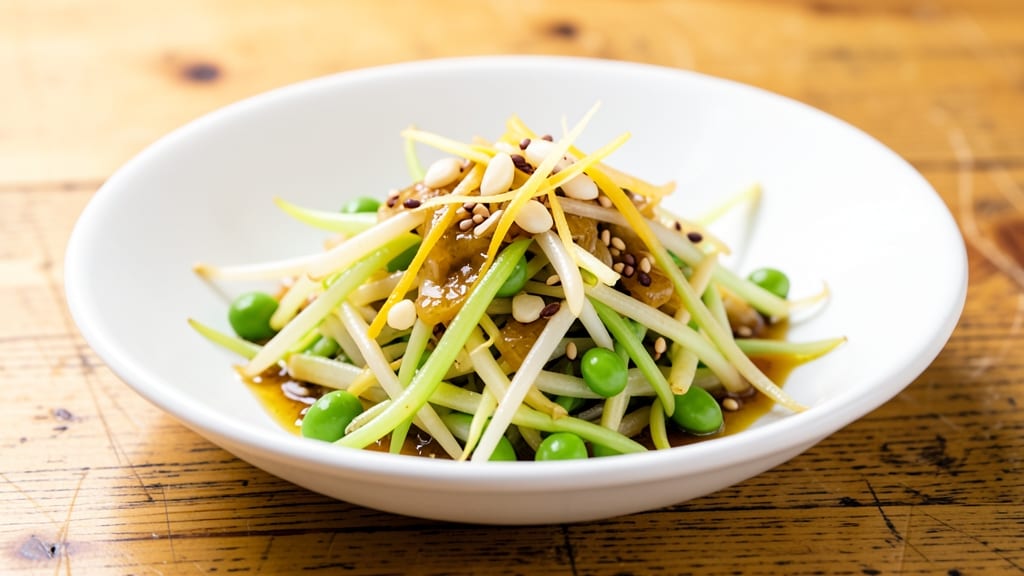
This adzuki bean sprouts recipe delivers crisp-tender bites packed with earthy flavor and satisfying texture—perfect for a vegan main or vibrant side. The secret lies in quick stir-frying over high heat, which preserves their delicate crunch while infusing them with aromatic garlic, fresh ginger, and a touch of citrus brightness.
I developed this method after discovering how adzuki sprouts transform from bland to boldly flavorful with the right technique.
The beauty of this dish is its versatility—ready in just 15 minutes with simple ingredients you likely already have. We're talking tender sprouts that stay crisp at the edges, a savory-sweet sauce that clings perfectly, and a finish of toasted sesame seeds for that restaurant-quality crunch.
The garlic-ginger marinade does double duty as both flavor enhancer and tenderizer, ensuring every bite delivers that perfect balance.
What makes this recipe stand out is how it elevates humble sprouts into a restaurant-worthy dish without any fancy ingredients. The high-heat stir-fry technique creates those coveted crisp-tender edges while keeping the centers luscious, and the sauce—made with just a few pantry staples—adds layers of umami and brightness.
Serve it as a standalone vegan meal or pair with rice for a complete, protein-packed dinner.
One of the best things about this recipe is how it adapts to your needs—double the batch for meal prep, swap in other sprouts for variety, or adjust the spice level to taste.
The crisp-tender texture is the star here, achieved through precise timing and proper heat control. Trust me, once you try this version, store-bought sprouts will never taste the same again.
Ingredients for adzuki bean sprouts
Fresh adzuki sprouts and bold flavors transform into crisp-tender bites—restaurant-quality in 15 minutes!
| Ingredient | Amount | Notes |
|---|---|---|
| Adzuki Bean Sprouts 🌱 | 1 ½ lbs | Fresh, crisp, and tender |
| Extra-Virgin Olive Oil 🫒 | 2 tbsp | High-quality, fruity variety |
| Garlic Cloves 🧄 | 4 cloves | Fresh, minced finely |
| Fresh Ginger 🌿 | 1 ½ tbsp | Grated finely, zesty |
| Low-Sodium Soy Sauce 🍶 | 2 tbsp | For umami depth |
| Rice Vinegar 🍶 | 1 ½ tbsp | White or seasoned |
| Maple Syrup 🍁 | 1 tbsp | Pure, for subtle sweetness |
| Toasted Sesame Seeds 🌰 | 1 tbsp | For nutty crunch |
| Sesame Oil 🫒 | 1 tsp | For aromatic finish |
| Red Chili Flakes 🌶️ | ½ tsp | Adjust for spice preference |
| Lime Juice 🍋 | 1 tbsp | Freshly squeezed |
| Salt 🧂 | ½ tsp | Kosher or sea salt |
| Black Pepper 🌶️ | ¼ tsp | Freshly ground |
The adzuki bean sprouts are the star here—freshness is non-negotiable. Look for vibrant, crisp sprouts at Whole Foods or your local Asian market, where they often have the best selection. If you can't find adzuki, mung bean sprouts work in a pinch, but they have a slightly different texture. The garlic and ginger should be freshly grated or minced—pre-minced jarred versions just don't cut it. For the sesame seeds, toast them in a dry pan for 30 seconds until fragrant—this brings out their nutty depth. The soy sauce? Kikkoman or La Choy are reliable, but any low-sodium brand will do.
No rice vinegar? Apple cider vinegar works in a bind, though it'll have a slightly different tang. Swap maple syrup for agave nectar or a touch of brown sugar if you're strict on vegan sweetness. The sesame oil can be skipped if you're sensitive to its strong flavor, but a few drops add that signature aroma. For extra umami, add 1 tsp of miso paste to the sauce. The lime juice is key—freshly squeezed is a must, but bottled will work if you're in a hurry. If you love heat, double the chili flakes, but trust me, the garlic-ginger combo already packs a punch!
These sprouts stay crisp for 2-3 days in the fridge if stored in a sealed container with a paper towel to absorb moisture. The sauce keeps for 5 days in the fridge, so double it if you're prepping for the week. For meal prep, store the sprouts and sauce separately—toss them together just before serving to keep that perfect crunch. The toasted sesame seeds can be stored in a small jar in the pantry for up to 2 months, but they're so quick to toast that I usually just do a fresh batch when needed.
Why You'll Love This Recipe
- Five-Ingredient Magic: I swear by this recipe because it’s that simple—just toss the sprouts with olive oil, minced garlic, grated ginger, and a splash of soy sauce. No peeling, no dicing, no stress. Honestly, I’ve made it after work when I forgot to eat lunch.
- Umami Bomb: That combo of toasted garlic and ginger? It’s like a flavor explosion in your mouth. The adzuki sprouts soak it up perfectly, giving you a dish that’s savory, slightly sweet, and packed with depth—no fancy seasoning blends needed.
- Lunchbox Hero: Between us, this is my go-to for meal prep. Toss it with rice or quinoa, pack it in containers, and it stays fresh for days. My kids eat it cold, at room temp, or even reheated—no complaints, just empty lunchboxes.
- Budget Crunch-Saver: Adzuki sprouts are cheaper than most greens, and the other ingredients? Pantry staples. I’ve made a full batch for under $5 and fed four people. Plus, the leftovers? They’re even better the next day—crispier, tastier, and zero waste.
Step-by-step instructions for adzuki bean sprouts stir-fry
Here's how to transform fresh adzuki bean sprouts into a vibrant, crisp-tender dish bursting with garlic-ginger flavor.
Prep the Sprouts for Perfect Texture
Rinse the 1.5 lbs adzuki bean sprouts thoroughly under cold water, then drain in a colander. Shake gently to remove excess moisture—this ensures they'll crisp up beautifully during cooking. I like to give them a quick spin in a clean kitchen towel to dry them completely before proceeding.
Here's the thing—these sprouts should be crisp-tender, not mushy. If they're too wet when they hit the pan, they'll steam instead of sear. The drying step makes all the difference for that satisfying bite. Keep them in a single layer so they dry evenly.
Build the Garlic-Ginger Base
Heat the 2 tbsp extra-virgin olive oil in a large skillet over medium-high heat until shimmering. Add the 4 cloves minced garlic and 1.5 tbsp finely grated ginger, stirring constantly for 30-45 seconds until fragrant but not browned. This quick cook preserves their bright flavors without burning.
Watch the pan carefully—ginger burns faster than garlic. You'll see tiny bubbles forming around the edges of the aromatics—that's your signal they're ready. Remove from heat immediately after they're fragrant to lock in that fresh, zesty punch.
Stir-Fry the Sprouts to Crisp Perfection
Return the skillet to medium-high heat and add the dried sprouts in a single layer. Stir-fry for 3-4 minutes, working quickly to prevent overcrowding the pan. You want them to develop golden brown spots while maintaining their crisp texture—this takes about 80% of the total cooking time. Real talk: don't walk away during this step.
Here's the moment that matters: when the sprouts start to wilt slightly but still have a satisfying crunch. They'll continue cooking as you add the sauce, so pull them out just before they look completely done. If they stick, add a splash of water and scrape the bottom to deglaze.
Create the Flavor-Packed Sauce
Reduce heat to medium and add the 2 tbsp low-sodium soy sauce, 1.5 tbsp rice vinegar, 1 tbsp maple syrup, 0.5 tsp red chili flakes, 1 tbsp lime juice, 0.5 tsp salt, and 0.25 tsp black pepper. Stir vigorously for 1 minute until the sauce thickens slightly and coats the back of a spoon.
This sauce should taste bright, tangy, and slightly sweet—like a perfect balance of all the flavors. If it's too thick, add 1-2 tablespoons of water to loosen it. The maple syrup and lime juice work together to cut through the richness of the soy sauce while adding depth.
Finish with Sesame Oil and Garnish
Return the sprouts to the skillet and toss everything together for 30 seconds to coat evenly. Drizzle with 1 tsp sesame oil and 1 tbsp toasted sesame seeds, tossing gently to distribute. The sesame oil adds that final aromatic punch, while the seeds provide a satisfying crunch that contrasts beautifully with the tender sprouts.
Taste and adjust seasoning if needed—you might want to add a pinch more salt or a squeeze of lime. Serve immediately while still crisp-tender, garnished with extra sesame seeds. This dish shines as a side, but it's hearty enough to be a main course with a sprinkle of protein like grilled chicken or tofu.
Pro Tips For Making Adzuki Bean Sprouts
- Blanch the Sprouts First: Toss your adzuki bean sprouts in boiling water for 30 seconds, then plunge into ice water—this stops cooking and keeps them crisp. I used to skip this and ended up with mushy sprouts that tasted like overcooked pasta. Trust me, the texture difference is night and day.
- Mince Ginger Like You Mean It: Use a microplane or knife for ginger slices no thicker than 1/8-inch—this way, it dissolves into the oil instead of sitting as chunks. My grandmother swore by this, and she was right: fine ginger = flavor in every bite, not just a few lucky ones.
- Sear Garlic in Stages: Cook half the garlic at high heat until it’s golden (about 30 seconds), then pull the pan off the heat and add the rest—this prevents burning while maximizing aroma. After burning three batches, I finally figured out that garlic doesn’t like to be rushed.
- Deglaze with Soy Sauce Last: Let the garlic and ginger cook in the olive oil until fragrant, then remove the pan from heat before adding soy sauce—this keeps the sauce from cooking off and turning bitter. Sounds weird, but it works: your dish stays bright and balanced, not salty or dull.
Troubleshooting your adzuki bean sprouts
Overcooked Sprouts
If your adzuki bean sprouts turn mushy instead of crisp-tender, it’s almost always from overcooking or too much moisture. I’ve made this mistake more times than I’d admit—the key is timing. Once they start wilting, remove them from the pan immediately.
They’ll continue cooking when you add the sauce, so pull them out when they’re still slightly firm with just a few golden spots. A splash of cold water can revive slightly overcooked sprouts—just toss them in for 10 seconds to stop the cooking process. 💫
Sauce Too Thin
The sauce should coat the back of a spoon but still be pourable. If it’s too thin, reduce it by simmering for an extra 30 seconds over medium heat. I’ve found that adding 1 tsp cornstarch mixed with 1 tbsp water and stirring it in works wonders.
For a quick fix, let the sauce sit for 5 minutes uncovered—some of the water will evaporate naturally. Just don’t let it burn!
Underseasoned Flavor
If your dish tastes bland, it’s usually because the sauce needs more depth. Boost the umami with an extra ½ tsp soy sauce or ¼ tsp miso paste. For brightness, add ½ tsp more lime juice or a pinch of white pepper.
I also like to finish with a sprinkle of fish sauce (if not vegan) or vegan fish sauce for that extra layer of savory. Taste as you go—adjusting in small increments prevents overpowering the delicate sprouts. 🌶️
Sticking to the Pan
Sprouts stick when they release too much moisture or the pan isn’t hot enough. Always use a well-seasoned skillet (I love my Lodge cast iron) and keep the heat at medium-high. If they stick, add 1-2 tbsp water and scrape the bottom with a wooden spoon to deglaze.
Stirring constantly prevents sticking—don’t let them sit in the pan for more than 30 seconds without moving them. A light coating of oil helps too!
Uneven Cooking
Overcrowding the pan is the #1 cause of uneven cooking. Work in small batches if needed—your pan should only be half-full of sprouts at most. This ensures they get proper airflow and crisp up evenly.
If you’re short on time, use a wok—its wide surface area and high heat make it perfect for quick, even cooking. Stir frequently to avoid hot spots. ✨
Sprouts Too Dry
If your sprouts end up dry and tough, they likely lost moisture too quickly. The fix? Add a splash of water or broth when tossing with the sauce to rehydrate them slightly.
For extra tenderness, steam the sprouts for 1 minute before stir-frying—this jumpstarts the cooking process and prevents them from drying out. Just don’t overdo it, or they’ll turn soggy. 💡
Nutrition facts
Frequently asked questions
Can I use mung bean sprouts instead of adzuki bean sprouts?
Yes, you can substitute mung bean sprouts, but expect a slightly different texture and flavor. Adzuki sprouts have a nuttier, earthier taste and hold their shape better when stir-fried. Mung sprouts are milder and slightly more delicate—cook them for 1-2 minutes less to maintain crispness. For best results, use the same technique but reduce the heat slightly to prevent overcooking.
How do I store leftover adzuki bean sprouts?
Store cooked sprouts in an airtight container in the fridge for up to 3 days, but they'll lose some crispness over time. For maximum freshness, keep the sauce and sprouts separate until ready to eat. If you want to reheat, toss them in a dry pan over low heat for 30 seconds with a splash of water to revive the texture.
What makes this recipe different from regular bean sprout dishes?
This recipe focuses on achieving that perfect crisp-tender texture through precise timing and high heat. The garlic-ginger marinade tenderizes the sprouts while adding depth, and the sauce balances sweet, tangy, and umami flavors. Most recipes either overcook the sprouts or use bland seasonings—this version keeps them vibrant and restaurant-quality with minimal effort.
Can I make this recipe gluten-free?
Simply replace the soy sauce with tamari (gluten-free soy sauce) or coconut aminos. The rest of the recipe remains the same. Tamari has a slightly richer flavor, so you might want to reduce it to 1.5 tbsp if you prefer a milder taste. Always check labels to ensure other ingredients (like sesame seeds) are certified gluten-free if needed.
Why do my sprouts turn mushy when cooking?
Mushy sprouts usually mean they were overcooked or had too much moisture. Always drain them thoroughly before cooking and avoid overcrowding the pan. Cook them over medium-high heat for just 3-4 minutes—they'll continue cooking when you add the sauce. If they start wilting too soon, remove them immediately and finish with the sauce off the heat.